2026-07-21
If You Want Full C, D, or E Cup Breast Augmentation, Read This
Considering breast augmentation? Learn how to choose the right implant size for a full C, D, or E cup by considering your body's natural structure, skin, and overall balance to avoid complications.
If You Want Full C, D, or E Cup Breast Augmentation, Read This

When considering breast augmentation, many people ask, ‘Can I get the largest possible implant?’ While desiring voluminous breasts is natural, implant size isn't just about choosing a desired size; it requires a comprehensive consideration of your innate body structure, skin condition, and overall balance.
Forcibly inserting implants that are too large for your body increases the likelihood of complications and may ultimately necessitate revision surgery. Therefore, implant size is not merely about increasing volume but a factor that must be carefully decided, considering harmony with your body. This article will explore the process of determining implant size, factors to consider, and potential problems that can arise from choosing an excessively large size.
Key Factors in Determining Implant Size
When selecting implant size, various physical factors must be considered. The appropriate size differs for each individual's body structure, and the following factors play a role:
1. Size of the Breast Pocket
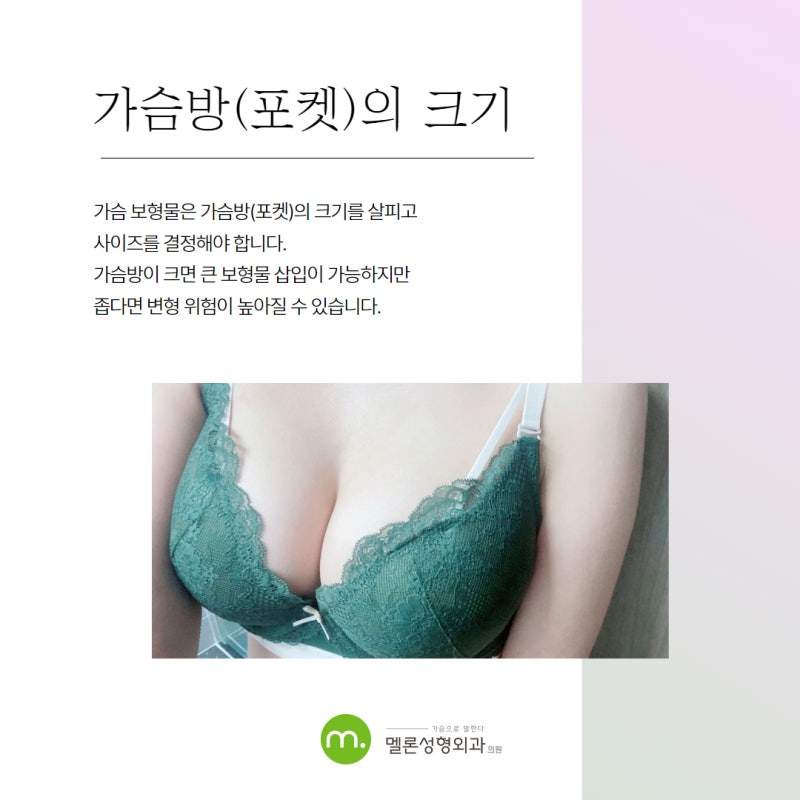
Breast implants are inserted into a space created within the breast tissue (the breast pocket). The size of this space determines the limit of the implant size. If an excessively large implant is placed into a small pocket, the implant may shift or the breast may become unnaturally deformed.
Large breast pocket – Larger implants can settle relatively naturally.
Small breast pocket – Inserting an excessively large implant increases the likelihood of deformation.
2. Skin Elasticity and Thickness
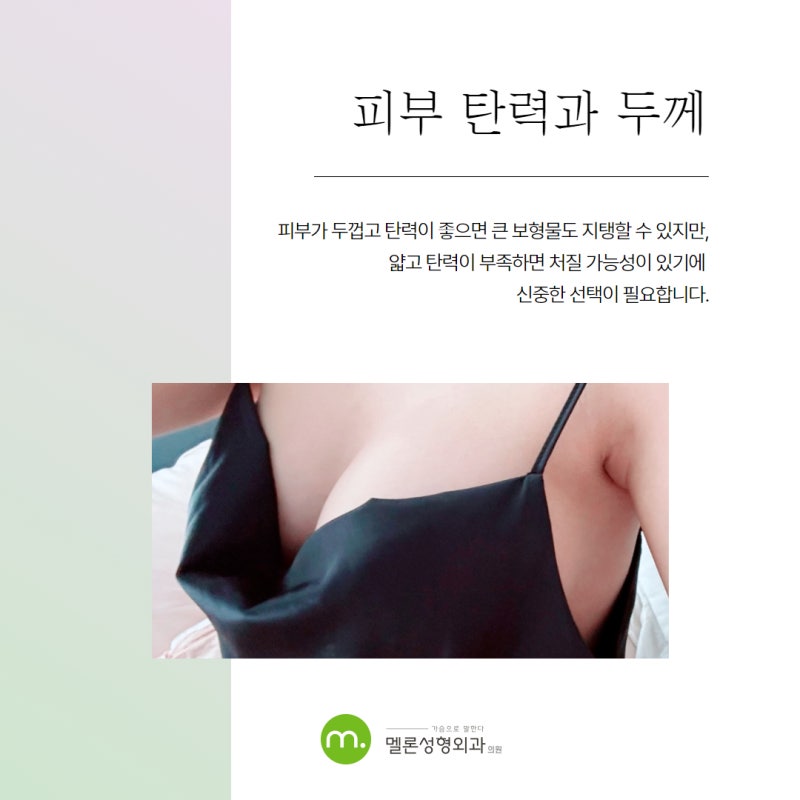
Skin elasticity is a crucial factor in supporting implants. If the skin is sufficiently thick and elastic, it can support larger implants to some extent. However, if it is thin and lacks elasticity, the breasts are more likely to sag over time.
Thick skin & elastic – Can support larger implants, offering a wider range of size choices.
Thin skin & lacking elasticity – Choosing an excessively large size increases the possibility of rippling (the phenomenon where the implant surface appears bumpy) or breast ptosis.
3. Chest Wall Structure
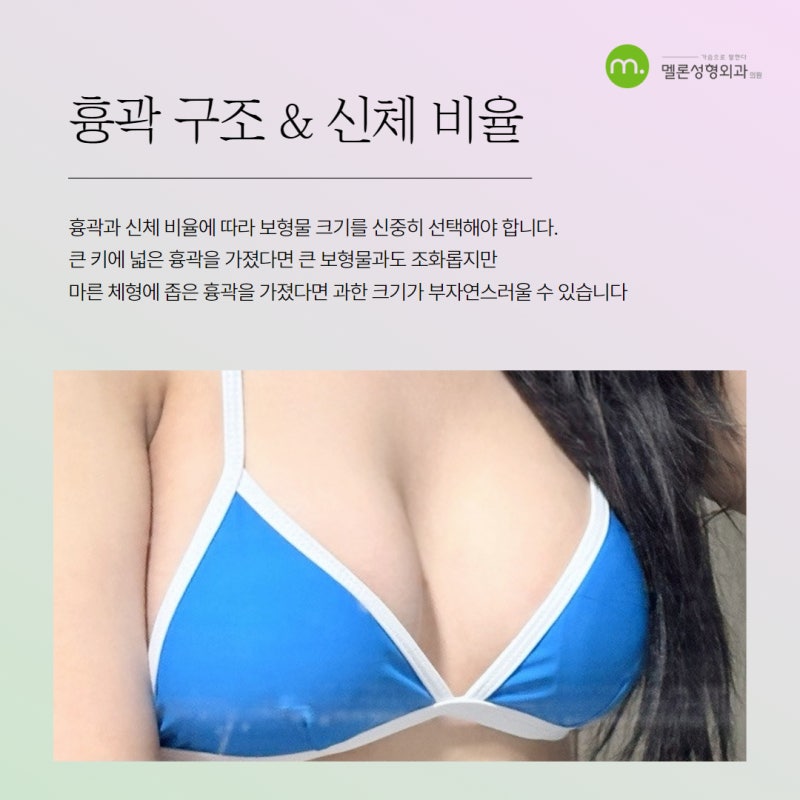
The size and shape of the chest wall are also important factors in implant selection.
Wide chest wall – Larger implants are more likely to appear natural.
Narrow chest wall – If implants are too large, the breasts may appear unnaturally spread out.
While a wide chest wall can accommodate larger implants naturally, if the chest wall is narrow, implant size must be chosen carefully.
4. Overall Body Proportion
Implant size should not only consider the breasts but also the balance and harmony of the entire body.
Tall with broad shoulders – Relatively larger implants can appear natural.
Short and slender build – Forcibly inserting excessively large implants may disrupt body balance.
If breast size and body proportion are not harmonious, it can lead to an awkward result.
Problems That Can Arise from Choosing an Excessively Large Implant

1. Breast Sagging
Larger implants increase in weight, and over time, under the influence of gravity, the breasts are more likely to sag downwards. This sagging can progress more rapidly, especially if skin elasticity is insufficient.
2. Rippling (Bumpy Surface Changes)
If an implant is too large, rippling, where the implant surface shows through the skin, can occur.
This rippling phenomenon is particularly likely to be prominent if the skin is thin.
3. Implant Displacement and Shape Deformation
If an implant is too large, it may not settle in its normal position, leading to problems such as spreading sideways or moving upwards. Additionally, the likelihood of ‘symmastia,’ where the breasts merge in the center, increases. > Delete
4. Discomfort Due to Body Imbalance
Choosing an implant size that does not match your body's balance can put a strain on your shoulders, back, and neck, leading to chronic pain.
Body Balance is More Important Than Size

When considering breast augmentation, choosing an implant size is not simply about ‘the bigger, the better.’ The most important factor is selecting a size that considers your body type and balance.
Implants that do not match your body structure are highly likely to cause complications.
Excessively large sizes can reduce long-term satisfaction.
Natural size and harmonious design are the current trends.
Therefore, when selecting an implant, the wisest approach is to consult thoroughly with medical staff to choose a size that considers your body structure and balance.


Frequently Asked Questions
Can I choose the breast implant size I want for breast augmentation?
No, you cannot choose the size solely based on your preference. Implant size must be determined by comprehensively considering your natural body structure, skin condition, chest wall structure, and overall body balance.
What are the key factors to consider when deciding on implant size?
When deciding on implant size, four main factors should be considered: the size of the breast pocket, skin elasticity and thickness, chest wall structure, and overall body proportion.
What problems can arise if I choose an excessively large implant?
Choosing an excessively large implant can lead to breast sagging, rippling (where the implant surface becomes uneven), implant displacement and shape deformation, and shoulder, back, and neck pain due to body imbalance.
What is more important than implant size in breast augmentation?
More important than implant size is a harmonious choice that considers your body type and balance. Implants that do not fit your body structure can reduce long-term satisfaction and cause side effects.
Why is skin elasticity important in choosing implant size?
Skin elasticity is an important factor in supporting the implant. If the skin is sufficiently thick and elastic, it can support larger implants; if elasticity is insufficient, the likelihood of breast sagging or rippling increases.
In which area is the plastic surgery clinic mentioned in this article located?
Yes, the Melon Plastic Surgery Clinic mentioned in this article is located on the 6th floor of Seorim Building, 115 Teheran-ro, Gangnam-gu, Seoul. You can receive breast augmentation consultation in the Gangnam area.