2026-07-21
Can I Fly After Breast Augmentation? Will My Implants Burst?
Many wonder if breast implants can burst due to airplane cabin pressure. Modern silicone implants are highly durable and rarely rupture from pressure changes. Regular check-ups are crucial for monitoring implant integrity.

Can I fly after breast augmentation? Will my implants burst?
Hello, this is Melon Plastic Surgery, your breast specialist.
Today, we're going to address one of the many rumors about breast augmentation: implant rupture.

Like all surgeries, breast augmentation comes with its share of worries and concerns.
Before surgery, people ponder their choices, and after surgery, concerns about maintaining the results arise.
‘Are the implants safe? What if capsular contracture occurs? What if the shape looks strange?’
Breast augmentation significantly changes how clothes fit, so many people take vacations after their surgery.
However, before going on vacation, many ask, “Won't the implants burst due to cabin pressure if I fly?” So, for those planning a flying vacation, let's address whether implants can burst on a plane and if there can truly be a problem.
Can breast implants burst if you fly?
The answer? NO!
It's extremely rare. While saline implants used in the past might have had a higher chance of damage or rupture, modern implants have a very low rate of damage and rupture. There are no sharp, pointed structures inside the human body, so implants won't burst on their own from within the body.
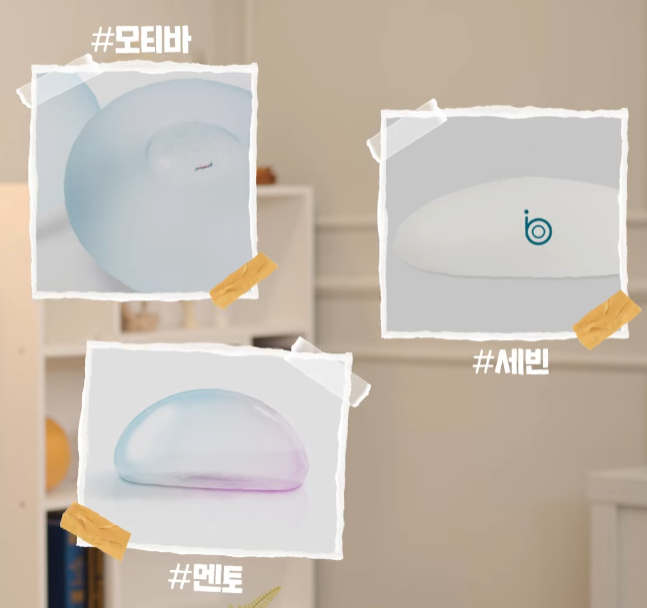
However, damage from external impact does occur occasionally. This is because not all unexpected external impacts, such as vigorous massaging or strong impacts shortly after surgery, are guaranteed against.
Since implants are not 100% guaranteed not to burst, you might worry if you'd immediately feel a rupture, or if it would be harmful or dangerous to your body.

While saline implants used in the past would immediately decrease in size if they ruptured, silicone implants, even if damaged, tend to maintain their shape to some extent initially, so there are no specific symptoms. People worry about whether implant rupture is harmful to the body. Silicone implant damage or rupture is usually detected through regular ultrasound check-ups. In the unlikely event of an implant rupture, the silicone does not flow out or move significantly, so it does not affect the body or worsen one's condition. However, if implant damage is confirmed, replacement is necessary.
To summarize everything discussed so far:
- Modern implants are resistant to impact.
- Even if damage or rupture occurs, implant replacement is possible.
- Regular check-ups are essential to monitor their condition.
Please remember these three points to maintain beautiful and healthy breasts!






Frequently Asked Questions
Is it okay to fly after breast augmentation?
Yes, it is generally fine. Flying after breast augmentation usually poses no problem. However, it's important to avoid strenuous activities and get plenty of rest during the immediate recovery period after surgery.
Can breast implants burst due to airplane cabin pressure?
No, it is extremely rare. Modern silicone implants have a very low probability of damage and rupture, so it's highly unlikely they would burst due to airplane cabin pressure. Saline implants from the past had a higher risk of rupture.
Are breast implants harmful if they rupture?
No, even if a silicone implant ruptures, it does not directly harm the body or worsen your condition. This is because the silicone does not flow out or move significantly. However, if a rupture is confirmed, replacement is necessary.
How can I tell if my implant has ruptured?
In the early stages of a silicone implant rupture, there may be no specific symptoms, or the shape may be maintained. Ruptures are typically discovered through regular ultrasound check-ups. Therefore, regular examinations are important.
Do ruptured implants always need to be replaced?
Yes, if an implant rupture is confirmed, replacement is necessary. While a ruptured implant may not directly harm the body, it is advisable to replace it for the long-term function and maintenance of the implant's shape.