2026-07-21
Considering Breast Fillers? Understand the Risks and Side Effects First!
Before considering breast fillers, it's crucial to understand the potential risks and side effects. While seemingly simple, fillers can lead to complications like asymmetry, lumps, and diagnostic interference, and are not officially approved for breast augmentation.
Considering Breast Fillers? Understand the Risks and Side Effects First!
For women, breasts mean more than just a physical body part. They embody beauty, femininity, and positive self-perception. Perhaps this is why many women are concerned about breast volume.
Everyone desires a more confident appearance, but the word ‘surgery’ often causes hesitation.
In such cases, ‘breast fillers,’ which sound simpler than surgery, might seem like an attractive alternative. However, it’s crucial to carefully consider whether this choice will truly lead to good results.
Are Fillers Really a Simple Solution?
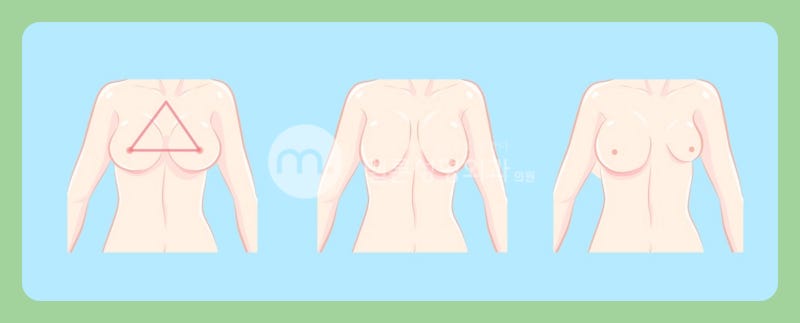
Breast fillers are typically injected directly under the skin, into the subcutaneous fat layer. Unlike implant surgery, where implants are placed under the muscle to create a natural and stable shape, fillers are affected by gravity and movement, making them prone to losing shape or developing asymmetry over time.
While they might look fine initially, there’s a possibility that fillers can migrate or clump, resulting in an unnatural appearance.
It’s not uncommon for individuals to consider implant surgery after experiencing temporary satisfaction with fillers. In such cases, residual filler can affect the outcome of the surgery.
The Claim That Fillers Dissolve Over Time Isn't Always True
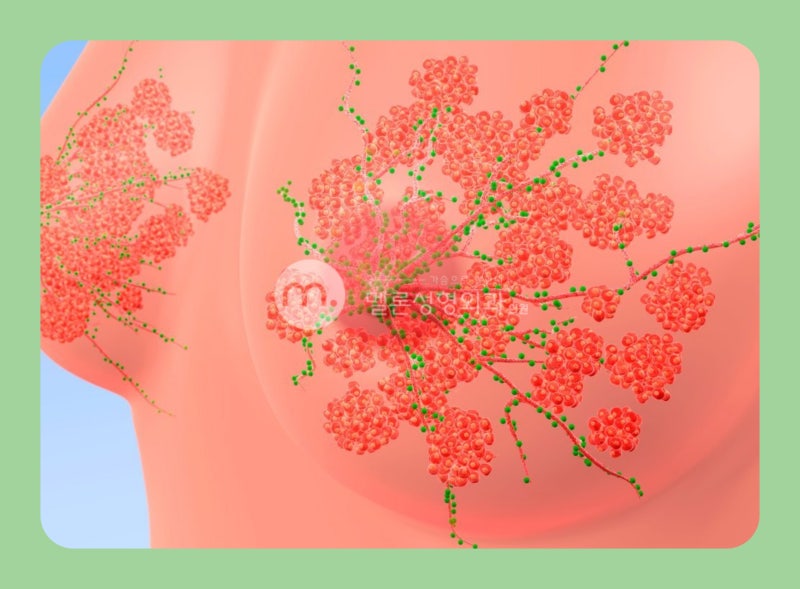
It’s important to note that the belief that all fillers are absorbed over time might not align with reality. Especially when a large amount of filler is injected into a broad area like the breast, it may not easily disappear. Instead, it can remain in the body and transform into granulomas or fibrotic tissue.
These changes can be felt as hard foreign bodies when touched and may be accompanied by pain or inflammation. Another issue is that these filler residues can complicate subsequent procedures or surgeries.
Specifically, if breast augmentation with implants is planned, fillers can distort the space or cause inflammatory reactions, affecting the surgical outcome. Seromas, which are fluid collections around the implant, can also occur in this context.
Breast Fillers Are Not Yet Officially Approved as a Treatment
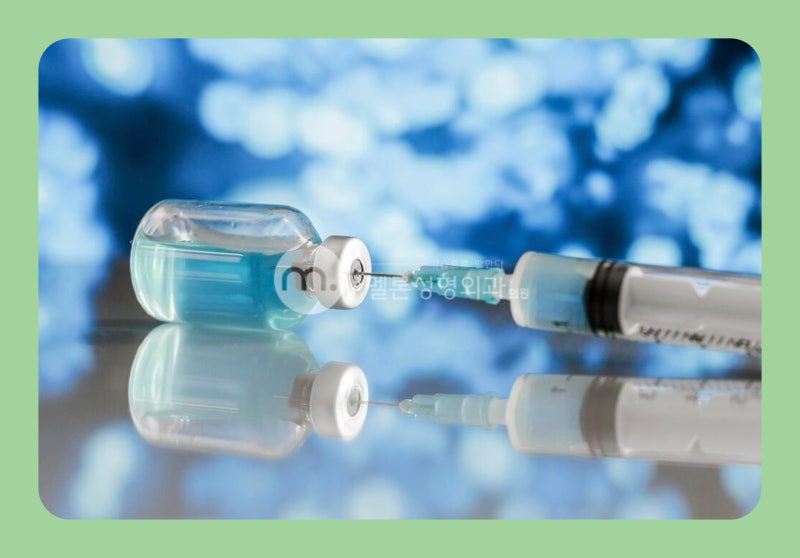
Currently, there are no officially approved breast-specific fillers in Korea or internationally.
In the past, a product called ‘Macrolane’ was temporarily approved, but its approval was later revoked due to safety concerns. Most fillers currently used are ‘off-label,’ meaning they are products approved for facial or other areas, used at the discretion of medical professionals.
This implies that without approved standards, the safety of these fillers has not been fully verified. When large quantities are injected into a broad and vascular area like the breast, the risks can only increase.
Hidden Risks That Hinder Diagnosis
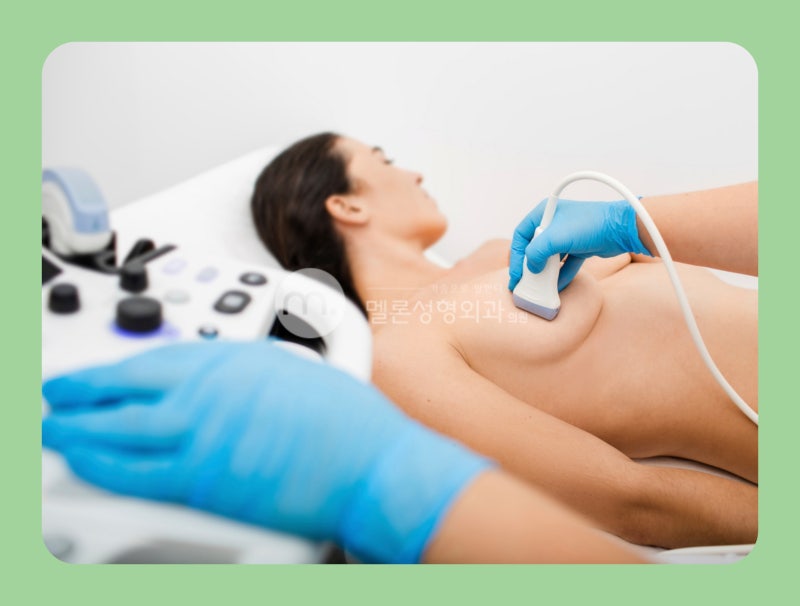
Fillers can also lead to misdiagnosis in medical imaging. If injected filler transforms into granulomas or calcified tissue, there’s a possibility it could appear as calcifications or tumors during mammography or ultrasound examinations.
In fact, there are cases where accurate diagnosis during breast cancer screenings becomes difficult due to filler residues.
Considering that early detection is paramount in cancer diagnosis, such risk factors can be too high a price to pay for a cosmetic procedure. Therefore, it’s important to remember the risks associated with breast fillers.
If You Experience These Symptoms After Filler Injection, Caution is Needed

If you experience the following symptoms after breast filler treatment, you might suspect side effects: pain or tingling sensation, skin redness or swelling, a hard lump when pressed, or asymmetry and imbalance in appearance are common symptoms. If two or more of these symptoms appear, it’s possible that the filler is causing problems in your body, so caution is advised.
If left untreated, this condition can lead to inflammation, and in severe cases, even tissue necrosis due to blocked blood flow. Therefore, if you experience any unusual symptoms, it’s crucial to check your condition as quickly as possible and take appropriate measures.
Filler Removal: Not a Simple Process
Breast filler removal is typically performed via aspiration. While it may seem simple and less costly on the surface, unfortunately, this method alone makes it difficult to completely remove microscopic residues deep within the tissue.
Even if it appears to be removed, inflammatory factors can still remain in the body, which can lead to pain, infection, or tissue damage over time. For more accurate and safe removal, methods include incising the skin and directly removing the tissue under visual inspection, or combining it with ultrasound to detect fillers in deeper layers.
While these methods require more time and effort, they should be carefully considered when thinking about future health and the results of additional cosmetic surgeries.
What Matters Most is Health, Not Appearance

Beyond aesthetic beauty, breasts are a special body part deeply connected to a woman’s self-esteem. However, they also have a delicate and complex structure, so safety and long-term results must always be considered before any procedure.
We often encounter cases where procedures chosen based solely on short-term results and cost lead to greater expenses and psychological distress. I hope those considering breast fillers will remember that they still require more verification.


Frequently Asked Questions
Is breast filler a safe procedure?
No, breast fillers are not yet officially approved for breast-specific use domestically or internationally. Most fillers currently used are 'off-label,' meaning they are approved for other areas and used at the discretion of medical professionals, so their safety is not fully verified.
What side effects can occur after breast filler procedures?
Yes, various side effects can occur after breast filler procedures. The filler may sag or clump due to gravity and movement, distorting the shape, or remain in the body and transform into granulomas or fibrotic tissue, causing foreign body sensation, pain, and inflammation.
Can breast fillers affect breast cancer screening?
Yes, breast fillers can potentially lead to misdiagnosis during breast cancer screenings. If the injected filler transforms into granulomas or calcified tissue, it can appear as calcifications or tumors on mammograms or ultrasounds, making accurate diagnosis difficult.
Do breast fillers completely absorb over time?
No, the belief that breast fillers completely absorb over time may not align with reality. Especially when a large amount of filler is injected into a broad area like the breast, it may not easily disappear and can remain in the body, potentially transforming into granulomas or fibrotic tissue.
Is breast filler removal simple?
No, while it may seem simple, it is difficult to completely remove microscopic residues deep within the tissue using only aspiration methods. Residual filler can cause inflammation or pain, requiring careful removal methods such as direct visualization after incision or ultrasound guidance.
What symptoms after a breast filler procedure warrant a hospital visit?
Yes, if two or more symptoms such as pain, tingling sensation, skin redness, swelling, hard lumps, or external asymmetry appear after a breast filler procedure, you should immediately visit a hospital to check your condition and take appropriate measures. Neglecting these symptoms can lead to inflammation or tissue necrosis.