2026-07-21
Breast tingling, dull pain and symptoms, could it be PMS?
Learn about breast pain, its connection to hormonal changes and PMS, and when to seek medical advice for persistent or unusual symptoms.
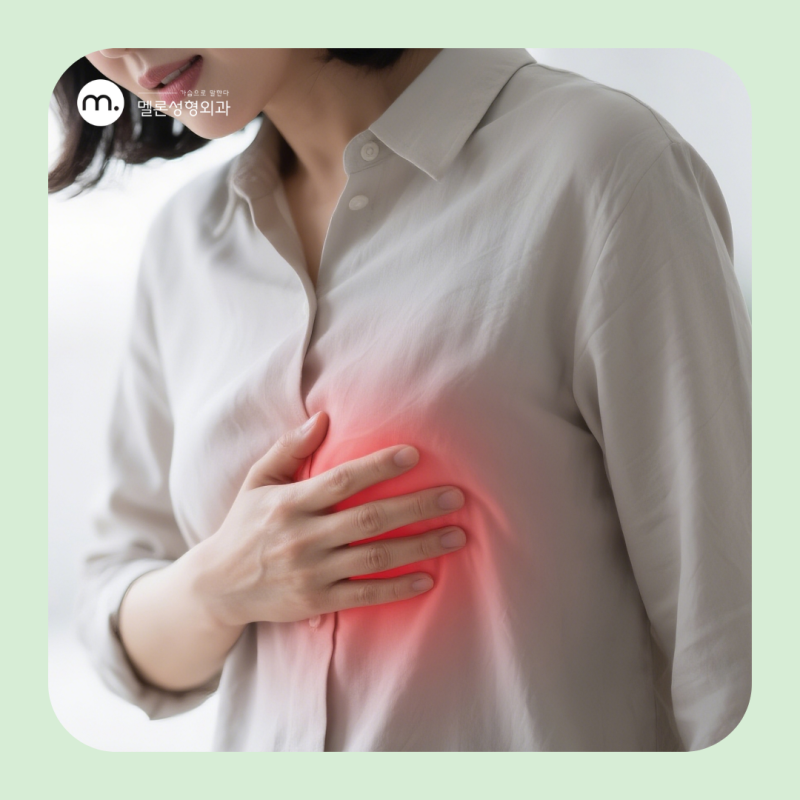
Breast tingling, dull pain and symptoms, could it be PMS?
Hello. I'm Kim Joo-won, the chief director of Melon Plastic Surgery, your breast specialist who understands your breast concerns.
Winter is a season when body temperature drops and circulation slows down. It's also a time when the body's senses become more sensitive.
‘My breasts and nipples are tingling, is it PMS?’‘My breasts feel heavy and painful at the same time every month, is that okay?’
Tingling and dull pain in the breasts can generally be attributed to premenstrual syndrome (PMS), but this isn't always the case.
If you feel pain in both breasts simultaneously, it's likely related to hormonal changes. However, if the pain is severe in only one breast or you feel a firm lump, it's advisable to identify the cause.
Today, we'll discuss how breast pain is related to PMS, and the signs that need to be distinguished from PMS. If you want to know the cause of breast pain, please refer to this information.
Breast Pain | The Relationship Between Hormonal Changes and Mastalgia
Breast pain primarily occurs within a woman's menstrual cycle.
The luteal phase is the period that begins after ovulation and lasts until the next menstruation. During this luteal phase, two female hormones increase.
These are estrogen, the hormone that forms a woman's physical and feminine characteristics, and progesterone, the hormone that prepares the body for pregnancy. When these two hormones increase together, the milk ducts, which transport breast milk, expand, and the mammary glands, the breast tissue that produces milk, swell.
The feeling of fullness and dull pain in the breasts arises from this process. This is what we call mastalgia. Mastalgia slowly subsides once menstruation begins, because hormone levels decrease.
The degree of mastalgia varies from person to person. Our bodies change in response to hormonal fluctuations, and reactions also differ. Therefore, it's good to observe the pattern over time and understand how your body reacts.
Breast Pain | The Difference Between Cyclical and Non-Cyclical Pain
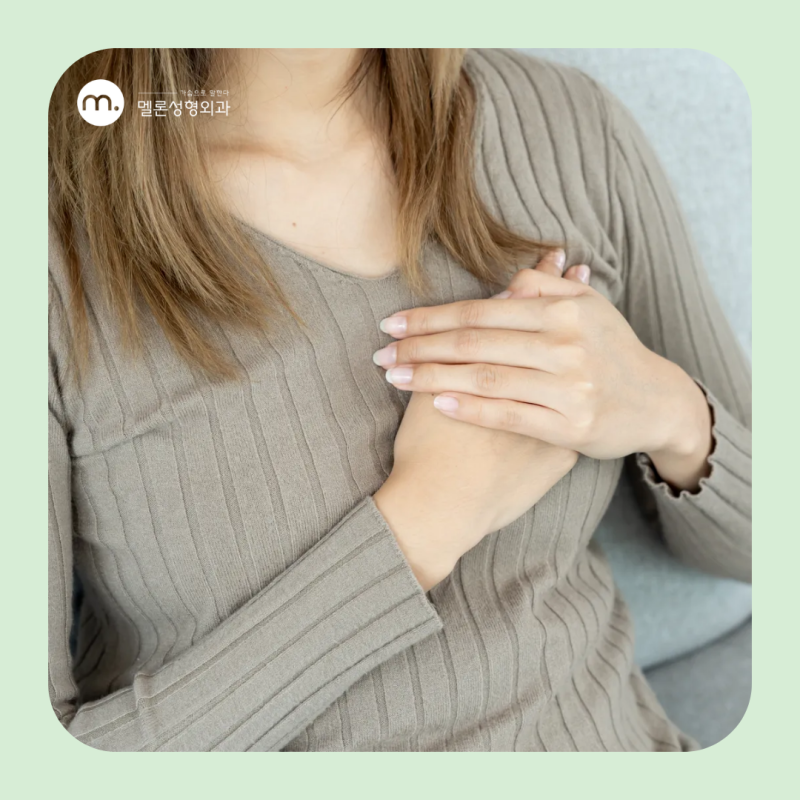
‘This month, only my left breast hurts, and the pain is longer than last month.’‘I feel a sharp, stabbing pain deep inside my breast.’
If breast pain recurs cyclically, it's likely PMS. However, if the pain is only in one breast or continues regardless of the menstrual cycle, it can be considered non-cyclical mastalgia.
Non-cyclical mastalgia can be attributed to muscle tension, costochondritis, breast cysts, or inflammatory changes. Lifestyle factors such as sudden exercise, weight changes, or pressure from a bra can also play a role.
Therefore, recording changes in pain, such as when it occurs or its symptoms, can be helpful in identifying the cause. Although it may seem insignificant, this type of observation not only reduces anxiety but also greatly helps in understanding changes in your body.
If the pain suddenly worsens or persists in only one breast, it's advisable to consult a medical professional to find the cause.
Breast Pain | Good Habits to Relieve Mastalgia
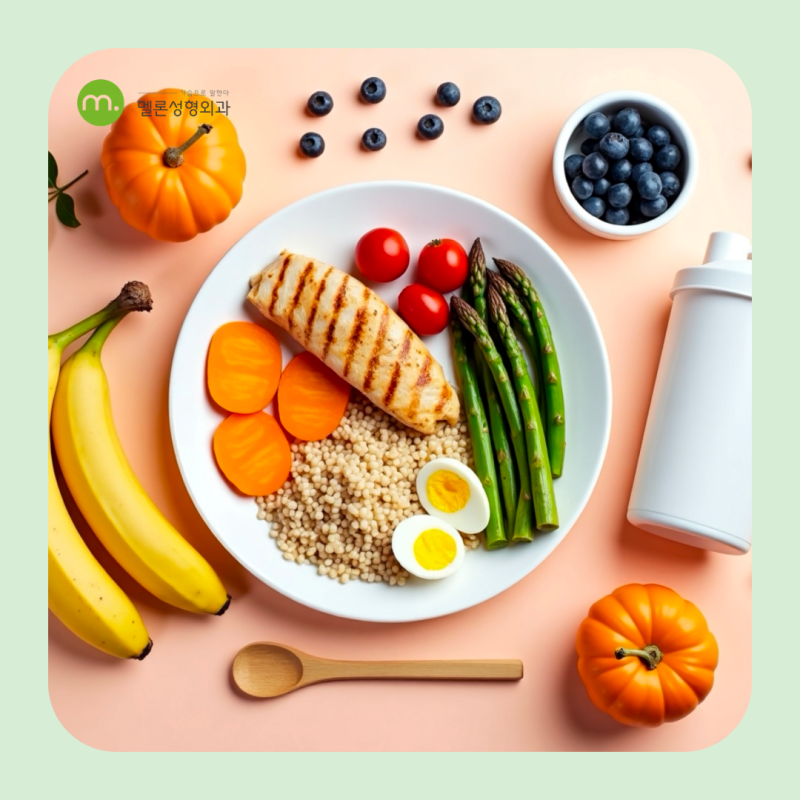
The dull breast pain felt before menstruation naturally disappears over time, but managing it regularly can significantly reduce the discomfort you experience each time.
First, maintaining body temperature is important. When our bodies are exposed to cold air, muscles and ligaments can contract, leading to pain. For the same reason, warm showers and light stretching improve blood flow and help alleviate pain.
A balanced diet is also crucial. When mastalgia occurs due to hormonal changes, you might feel a sensation of breast enlargement and fullness. Therefore, it's best to reduce your intake of salty foods and caffeine.
Both can worsen breast swelling, which is already accompanied by fullness. The sodium in salty foods has a water-attracting property, retaining moisture, and caffeine, as is well-known, has a diuretic effect, which expels water.
Our bodies perceive this as dehydration and, in turn, react by trying to store water. Salty foods and caffeine can cause water retention and worsen breast swelling, so it's advisable to reduce their intake.
Maintain a consistent sleep schedule. When your sleep rhythm is regular, your body's response to hormonal changes stabilizes. Remember that breast pain becomes more comfortable when a balanced lifestyle is maintained. Keep this in mind if breast pain is bothering you.
Breast Pain | Don't Miss the Signals Your Body Sends
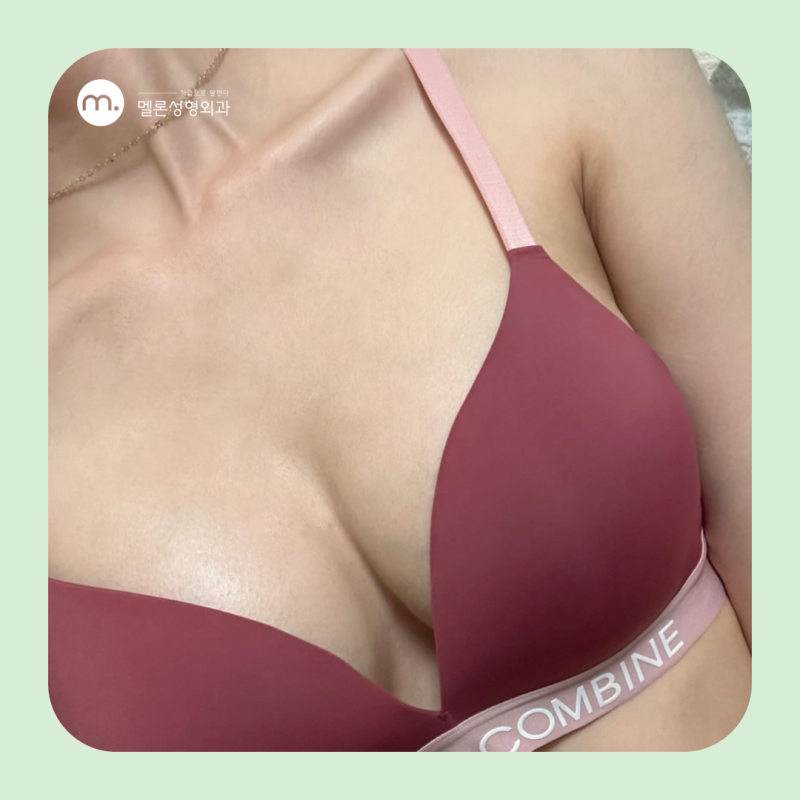
Breast pain can be a signal from your body.
Premenstrual pain is mostly temporary, but if pain in one breast persists for a long time, or if you notice lumps, skin changes, or nipple discharge, it's advisable to get a medical examination.
Paying attention to your body's signals is a good habit for maintaining health. Recording changes in your body can lead to positive health management and stable management of breast pain.
Today, we talked about breast pain. If you have any concerns, please don't hesitate to speak comfortably. We will be with you for any breast-related concerns.
Thank you.
Frequently Asked Questions
Why does breast pain worsen before menstruation?
Yes, it is because estrogen and progesterone hormones increase during the luteal phase before menstruation. These hormones expand the milk ducts and swell the mammary glands, causing a feeling of fullness and dull pain, and the pain subsides when hormone levels drop at the start of menstruation.
Is it a problem if only one breast hurts?
Yes, if only one breast hurts severely or a lump is felt, it is advisable to identify the cause. This could be non-cyclic breast pain unrelated to the menstrual cycle, and may be caused by muscle tension, costochondritis, mammary cysts, or inflammatory changes.
What lifestyle habits can reduce breast pain?
Yes, it is good to keep your body warm and improve blood flow with light stretching. Also, it is helpful to reduce salty foods and caffeine intake to avoid worsening breast swelling, and to maintain a consistent sleep schedule to stabilize the body's response to hormonal changes.
When should I go to the hospital if I have breast pain?
Yes, if the pain suddenly worsens, occurs persistently in only one breast, or is accompanied by lumps, skin changes, or nipple discharge, it is advisable to consult a medical professional to find the cause. These could be important signals from your body.
Are breast pain and premenstrual syndrome the same thing?
No, breast pain can be a symptom of premenstrual syndrome, but not all breast pain is premenstrual syndrome. If both breasts hurt simultaneously, it is likely related to hormonal changes, but if one breast hurts severely or a lump is felt, it could be due to other causes.
How do salty foods and caffeine affect breast pain?
Yes, sodium in salty foods attracts and stores water in the body, and caffeine, after its diuretic effect, causes the body to perceive dehydration and thus try to store water. This can worsen breast swelling and intensify breast pain, so it is advisable to reduce intake.