2026-07-21
Causes and Analysis of Breast Ptosis: What to Consider if You're Thinking About Surgery
Breast ptosis is a common concern for many women. This article explores its causes, why volume alone isn't always the solution, and what to consider if you're contemplating surgery.
Causes and Analysis of Breast Ptosis: What to Consider if You're Thinking About Surgery

One day, standing in front of the mirror, you might feel that your appearance isn't what it used to be. When your once firm and vibrant breasts have sagged, and your clothes don't fit as well as they once did, it can be disheartening.
A woman's body undergoes various changes due to childbirth, breastfeeding, or simply the passage of time. Among these, breast ptosis (sagging) is a concern that many women find quite serious.
What I want to convey is that breast ptosis is a natural phenomenon that can happen to anyone. And just as it's natural, there are also appropriate solutions. So today, I'd like to explain more about this topic.
Breast Ptosis: More Than Just an Aesthetic Issue
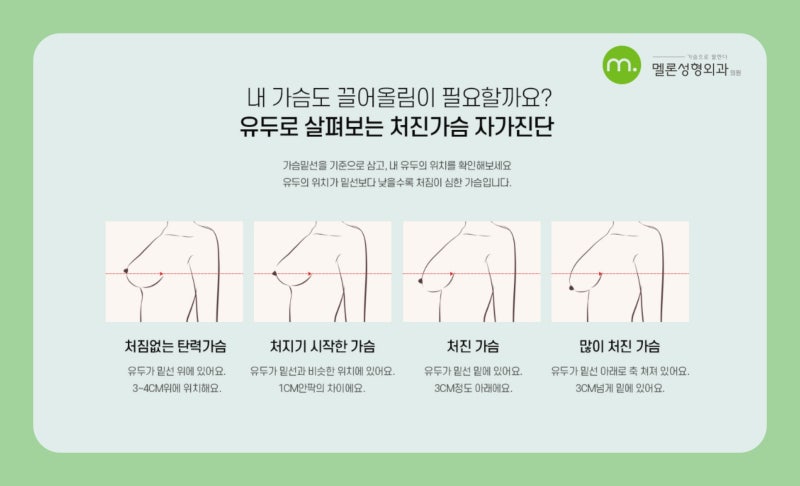
When breast ptosis becomes visible, it also means that invisible changes are occurring. Beyond external changes, various factors such as decreased skin elasticity, changes in breast tissue, weakening of Cooper's ligaments, and the continuous effect of gravity all combine to cause sagging.
In particular, the changes that occur in the breasts after childbirth and breastfeeding can feel like a major transformation. While these changes can be seen as meaningful traces of deep affection for a child, from a woman's perspective, they can also bring unfamiliar and difficult emotions.
Repeated weight fluctuations and the aging process also contribute to changes in breast shape and elasticity. These often lead to noticeable sagging.
These changes can affect not only external appearance but also self-esteem and self-image. Therefore, rather than taking them lightly, it can be helpful to clearly assess your condition and seek solutions for your concerns.
Why Volume Alone Isn't Enough to Solve the Problem
When breast ptosis begins to become noticeable, a common approach is to restore volume through implant insertion. Indeed, if the sagging is not severe, adding volume can achieve some improvement.
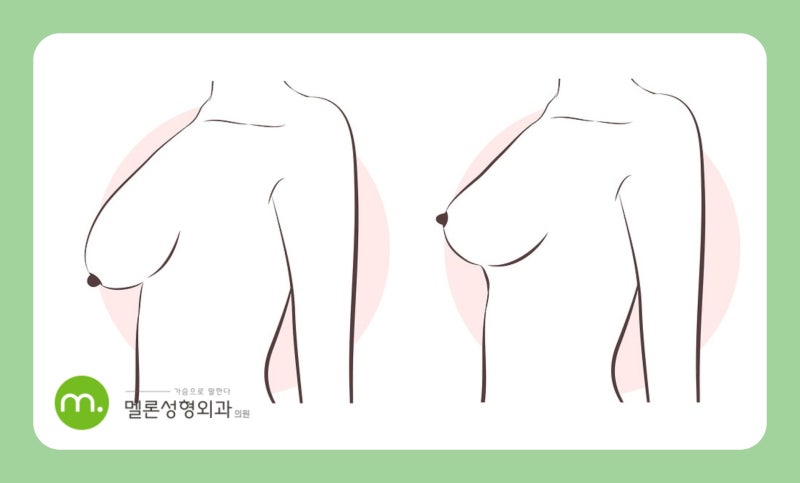
However, if the breasts are significantly sagged due to reduced skin elasticity, it's difficult to expect satisfactory results from implants alone. The weight of the implant can cause sagging to recur, and if only the size is increased without adjusting the nipple position or the stretched skin area, the overall shape can appear unnatural.
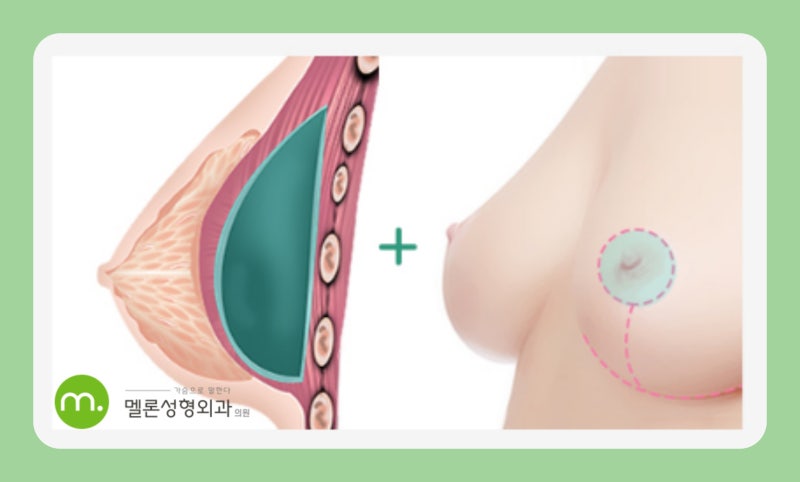
In such cases, it's helpful to perform not only augmentation surgery but also a ‘mastopexy’ (breast lift) simultaneously to reduce the sagged skin and elevate the nipple position. This surgery is a process of reshaping the breast, returning it to its original, more youthful position.
Concerns About Sagging Again After Surgery
One of the most common questions from those considering breast ptosis surgery is, ‘Will it sag again over time?’ To answer directly, the possibility of sagging can be reduced depending on the purpose and method of the surgery, as well as post-operative care.
Unlike simple lifting or implant insertion, mastopexy involves removing excess skin and fixing the breast tissue in a new position, allowing for a more fundamental and stable correction.
However, even after surgery, breast shape can change due to lifestyle habits, weight fluctuations, and aging. Therefore, it's crucial to carefully examine the skin condition and tissue elasticity before surgery to create a personalized surgical plan. It's also advisable to respond to changes through regular post-operative care.
The Outcome of Surgery Depends on ‘Who’ Performs It

Mastopexy, a surgery to correct sagging breasts, is not simply about removing and reducing sagged skin. It's a highly complex procedure that requires meticulous planning, design, execution, and post-operative care, as all elements—breast shape, position, symmetry, nipple direction, and scar location—must be harmoniously balanced.
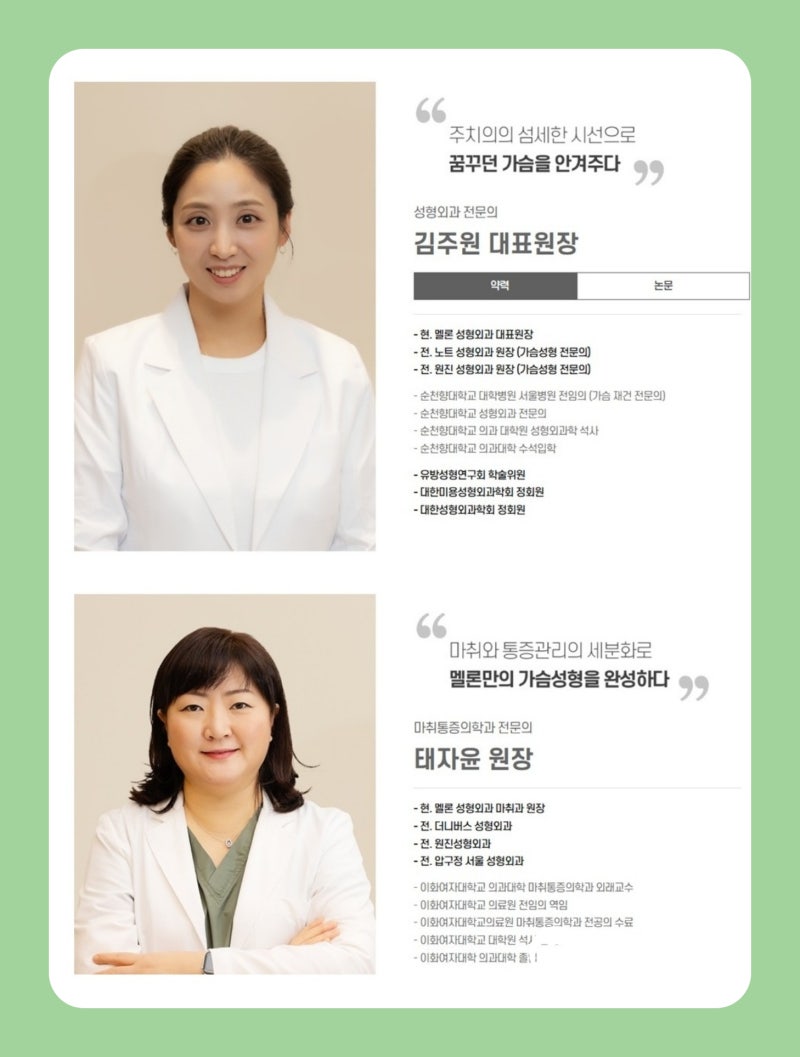
Therefore, the skill of the medical team performing the surgery and the intuition gained through numerous surgical experiences play a decisive role in the outcome. The judgment of an experienced specialist who can comprehensively consider skin characteristics, breast tissue condition, and body balance is essential.
The same applies to scars, which many people worry about. As this surgery involves a certain extent of incision, the specialist's experience and expertise determine the satisfaction level of the surgery, including where to make the incision for the most satisfactory result and how to perform the sutures.
The recovery process is also extremely important. To minimize post-operative bleeding, swelling, and pain, and to facilitate a quick return to daily life, not only precise surgery by the surgeon and medical team but also appropriate aftercare must be provided.
If Your Heart Feels Heavy Right Now
Breast ptosis is nothing to be ashamed of. A woman's breast ptosis often carries the weight of love, responsibility, and effort, so concerns about sagging deserve respect. If the time you spend facing yourself has become difficult due to breast ptosis and your self-esteem has lowered, breast augmentation can be a good option to organize your life's flow and emotions, and to regain confidence.
It's good to cautiously seek consultation, and it's also good to gather enough information. Clearly checking your condition and discussing with a specialist what you desire and how much improvement is possible will greatly help with your concerns and decisions.
The important thing is not to compare yourself to others, but to know what method and pace suit you, and to make the best choice for yourself! I hope those who are concerned about breast ptosis will remember this.

Frequently Asked Questions
Why does breast ptosis occur?
Breast ptosis is caused by a combination of various factors such as childbirth, breastfeeding, age-related aging, repeated weight changes, decreased skin elasticity, changes in breast tissue, weakening of Cooper's ligaments, and continuous gravity.
Can severe breast ptosis be resolved with implants alone?
No, if the ptosis is severe, it is difficult to achieve satisfactory results with implant insertion alone. The weight of the implant can cause it to sag again, and the nipple position or stretched skin area may not be adjusted, leading to an unnatural appearance.
Can breasts sag again after breast ptosis surgery?
Yes, even after surgery, breast shape can change due to lifestyle habits, weight changes, and aging. However, mastopexy can reduce the possibility of re-sagging by removing stretched skin and fixing breast tissue.
What kind of surgery is mastopexy?
Mastopexy is a surgery that reshapes the breast by reducing stretched breast skin, raising the nipple position, and fixing breast tissue in a new position. This is different from simple lifting or implant insertion.
Is the experience of the medical staff important for breast ptosis surgery?
Yes, it is very important. Mastopexy is a highly complex surgery that requires considering all factors such as breast shape, position, symmetry, nipple direction, and scar location, so the experience and know-how of a skilled specialist determine the surgical outcome and satisfaction.