2026-07-21
Breastfeeding After Breast Augmentation at Gangnam Station?
Learn about breastfeeding after breast augmentation. This article clarifies common misconceptions, discusses implant safety, and explains post-breastfeeding sagging, offering expert advice from Melon Plastic Surgery.
Breastfeeding After Breast Augmentation at Gangnam Station?
Hello, this is Melon Plastic Surgery, a leading center for breast augmentation at Gangnam Station. Today, we would like to provide accurate information regarding the relationship between breast augmentation and breastfeeding. Is the rumor that ‘you cannot breastfeed after breast augmentation’ true? We will clarify this topic, which many people are curious and concerned about, with more reliable evidence.
1. Is there really a connection between breast augmentation and breastfeeding?
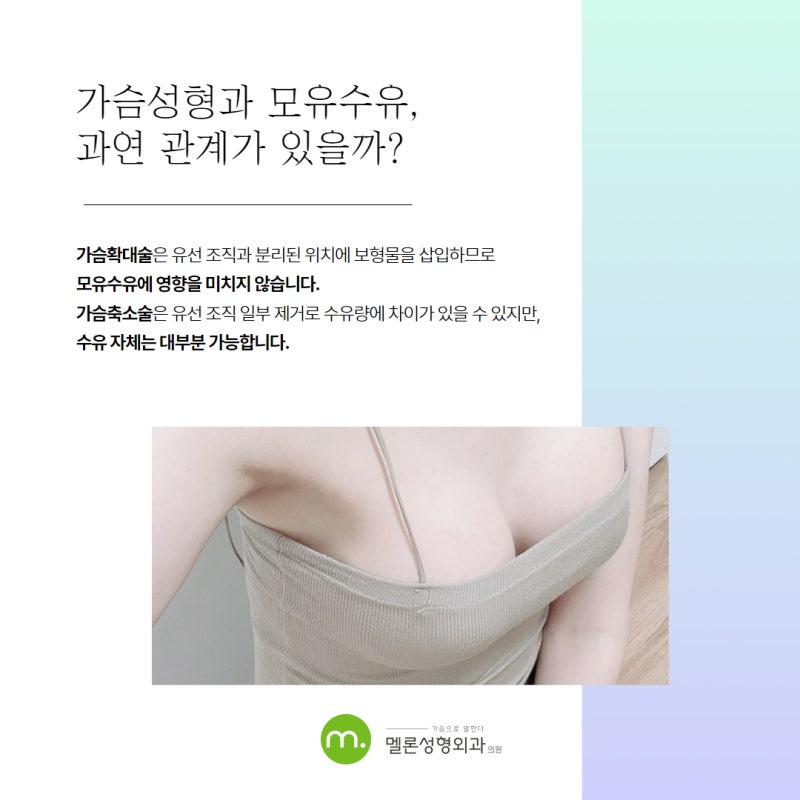
Many of you may have heard that ‘milk does not come out because implants touch the mammary gland tissue.’ However, this is incorrect information. In the case of breast augmentation, the implant is inserted either below the mammary gland tissue or below the muscle. This position is physically separated from the mammary glands, so it does not affect breastfeeding. In other words, implant insertion does not interfere with the function of the mammary gland tissue.
In the case of breast reduction surgery, it may involve removing or reducing a portion of the mammary gland tissue. In such cases, there is a possibility that it may affect breastfeeding. However, in most situations, only a portion of the mammary gland tissue is removed, so breastfeeding itself is not impossible. There may be slight differences in milk supply, so it is important to plan through sufficient consultation before surgery.
2. ‘Implants leak?’ An exaggerated rumor
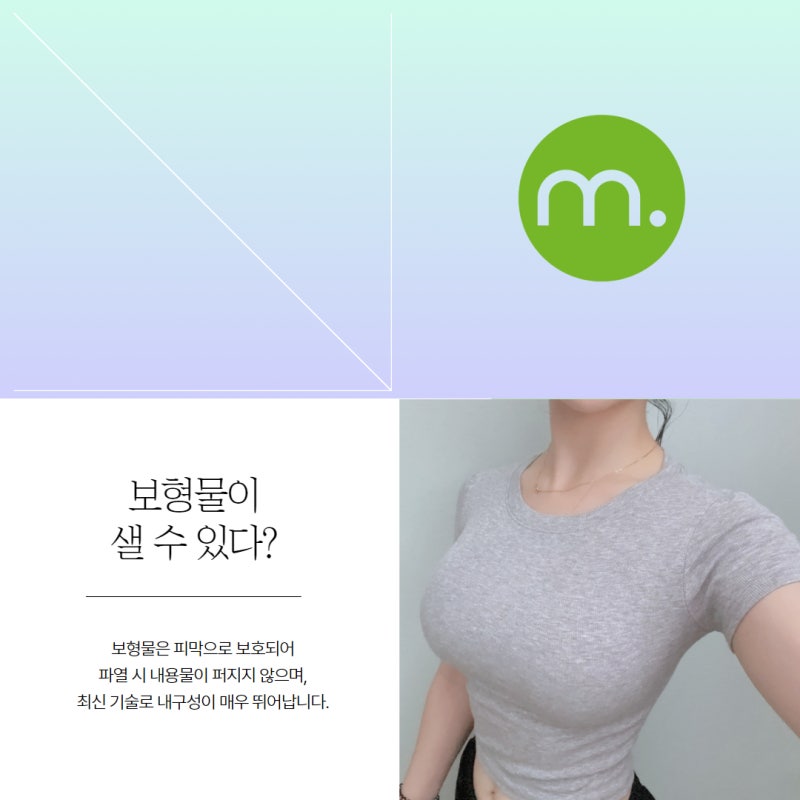
Another common concern is the claim that ‘implants rupture and leak into breast milk.’ However, considering the latest implant technology, this is far from reality.
When an implant is inserted into the body, a thin membrane called a capsule naturally forms around it. This capsule acts as a protective barrier surrounding the implant and prevents its contents from spreading elsewhere even if the implant ruptures. Furthermore, modern implants are highly durable, and the possibility of rupture itself is very low. Even if a rupture were to occur, the capsule would mostly stably enclose it, making the likelihood of a major problem extremely rare.
3. Breast sagging after breastfeeding, is it due to plastic surgery?
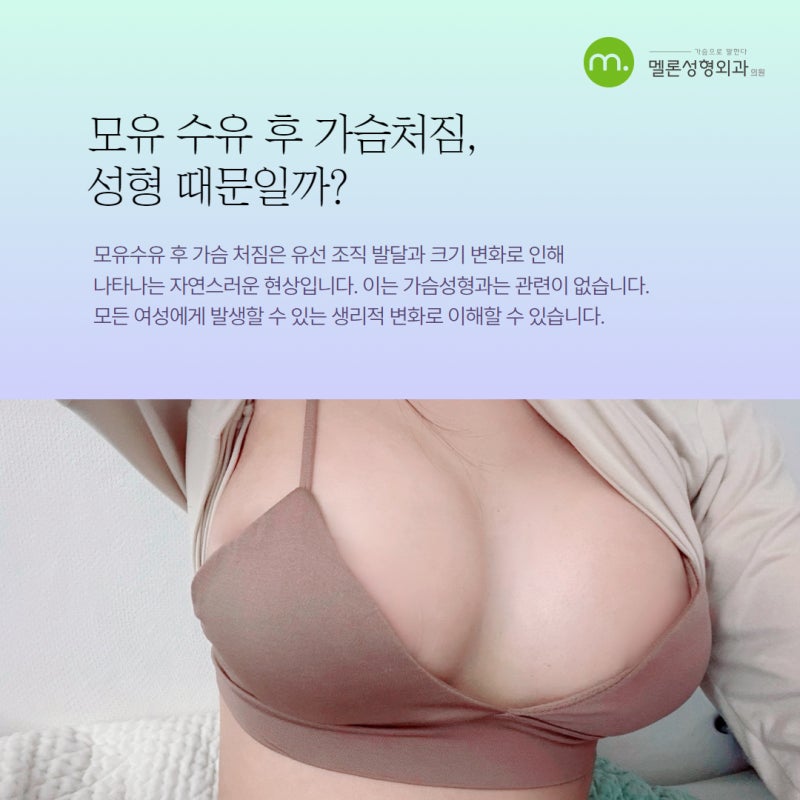
Breast sagging after breastfeeding is a common natural change. However, it is often associated with breast augmentation, leading to misunderstandings.
During breastfeeding, mammary gland tissue develops, and breast size temporarily increases. After breastfeeding ends, breast size decreases, and sagging may occur as the skin and Cooper’s ligaments (tissues that support the breast) stretch. This phenomenon can occur regardless of whether surgery was performed.
For example, breasts that were A-cup and grew to C-cup due to breastfeeding may sag as the stretched skin and tissue lose elasticity when returning to an A-cup. This is a physiological phenomenon that can occur in all women and is unrelated to breast augmentation itself.
4. Safe surgery and breastfeeding, both are possible!
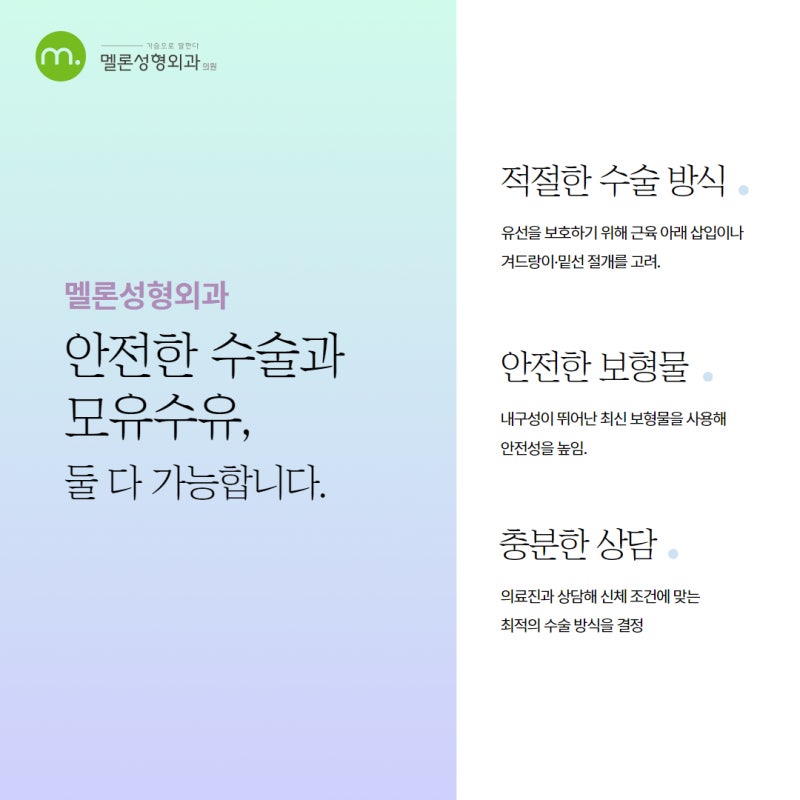
If you want to breastfeed safely while undergoing breast augmentation, consider the following:
Choose an appropriate surgical method – Select a method that has less impact on the mammary gland tissue. Implants can be inserted under the muscle or through an armpit or inframammary fold incision to protect the mammary glands as much as possible.
Use safe implants – Choosing the latest implants ensures high durability and safe use.
Sufficient consultation and planning – Through thorough consultation with medical staff, decide on a surgical method that suits your physical condition and plans.
5. Customized solutions provided by Director Kim Ju-won of Melon Plastic Surgery
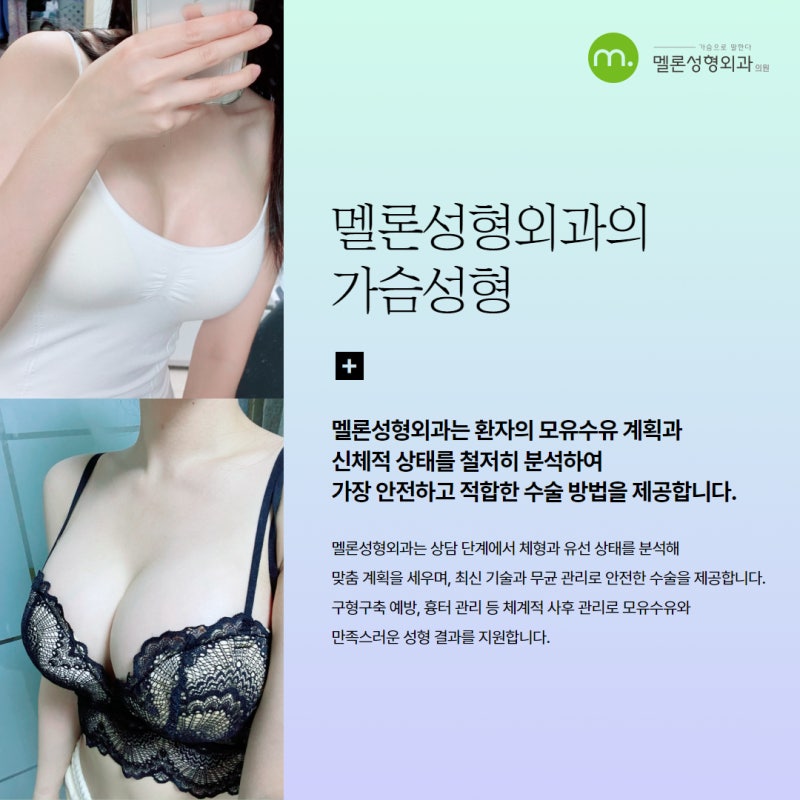
Melon Plastic Surgery thoroughly analyzes the patient's breastfeeding plans and physical condition to provide the safest and most suitable surgical method.
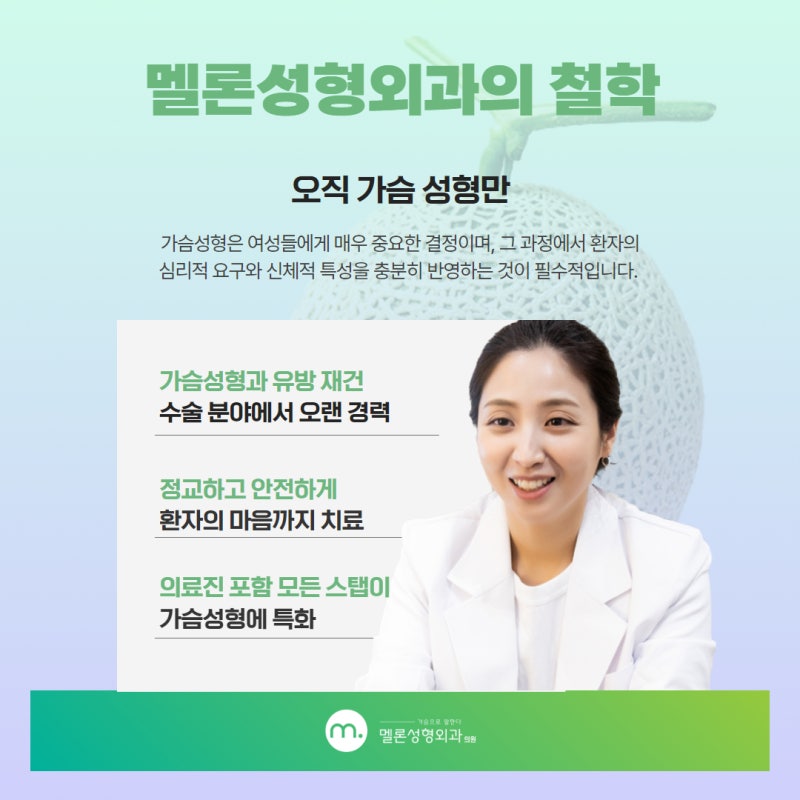
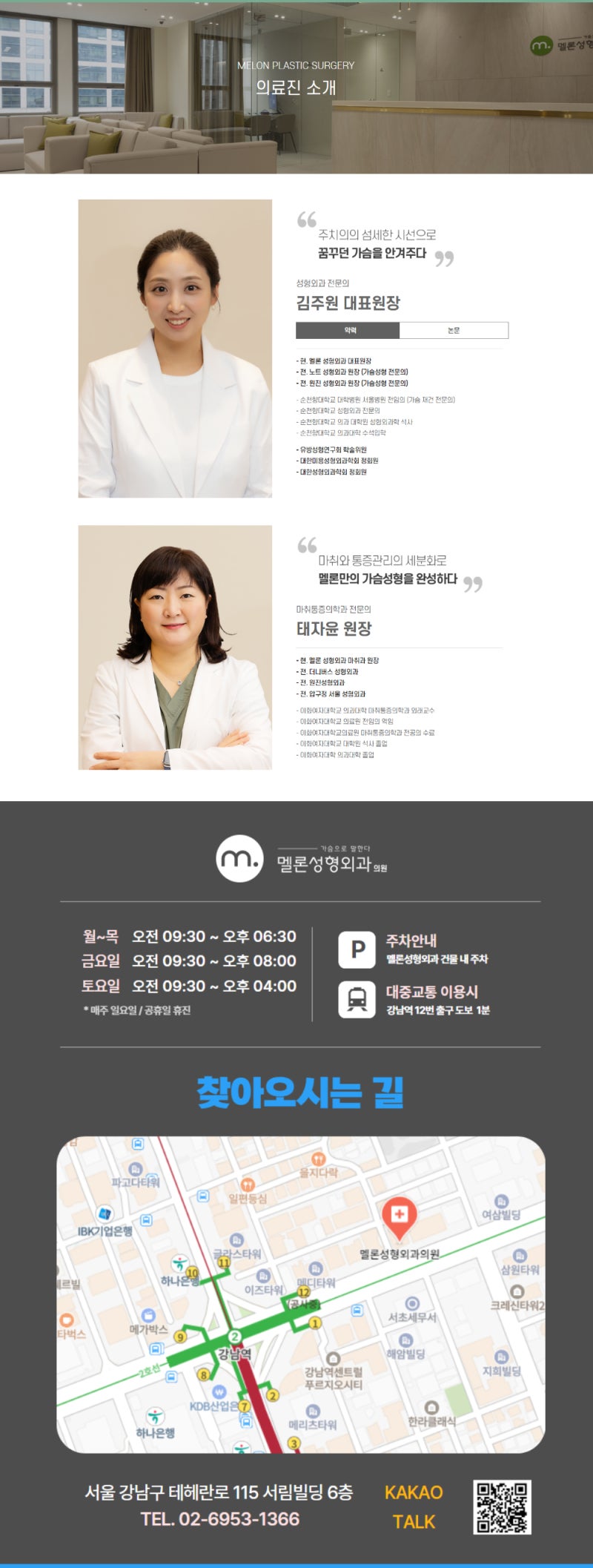
Based on extensive experience in breast augmentation and breast reconstruction, CEO and Director Kim Ju-won deeply understands each patient's situation and proposes optimal solutions.
Systematic Consultation Process
During the consultation phase, the patient's body type, mammary gland condition, and childbirth plans are meticulously analyzed to create a customized surgical plan. In particular, all possibilities related to breastfeeding concerns are transparently explained to ensure the patient feels confident.
Advanced Technology and Safe Environment
The latest implants, high-resolution endoscopic systems, and thorough aseptic management enhance the precision and safety of surgery. This allows patients to plan for breastfeeding with peace of mind even after surgery.
Continuous Post-operative Care
Melon Plastic Surgery provides regular monitoring and customized care to prevent problems during the post-operative recovery process. Various programs, including prevention of capsular contracture, scar management, and texture improvement, help patients maintain satisfactory results for a long time.

Breast augmentation is not just about changing one's appearance; it is a choice that brings positive changes to a woman's life. For this choice to lead to safer and more satisfactory results, reliable medical staff and sufficient consultation are necessary. Melon Plastic Surgery at Gangnam Station always prioritizes the health and beauty of its patients and strives to achieve the results you desire.
If you have any concerns related to breast augmentation, please visit Melon Plastic Surgery anytime. Melon will work with you to create your beauty and confidence. 🌸
Frequently Asked Questions
Is breastfeeding possible after breast augmentation surgery?
Yes, it is possible. During breast augmentation, implants are inserted either below the mammary gland tissue or below the muscle, physically separating them from the mammary glands, thus not affecting breastfeeding. Implants do not interfere with mammary gland function.
Does breast reduction surgery make breastfeeding difficult?
No, in most cases, breastfeeding itself is not impossible. Breast reduction surgery may involve removing a portion of the mammary gland tissue, which could lead to slight differences in milk supply. However, with sufficient consultation and planning before surgery, breastfeeding is possible.
Can breast implants rupture and leak into breast milk?
No, considering the latest implant technology, this is far from reality. The capsule that forms around the implant prevents its contents from spreading, and modern implants are highly durable, making the possibility of rupture very low.
Is breast sagging after breastfeeding due to breast augmentation?
No, breast sagging after breastfeeding is a common natural change regardless of whether plastic surgery was performed. After mammary gland tissue develops during breastfeeding and then shrinks, the skin and tissues can stretch, leading to sagging.
How can I safely breastfeed after breast augmentation?
It is important to choose an appropriate surgical method that has less impact on the mammary gland tissue (e.g., submuscular insertion, armpit/inframammary fold incision) and to use safe, modern implants. Additionally, you should have thorough consultation with medical staff to create a personalized surgical plan.
What kind of breastfeeding-related consultations does Melon Plastic Surgery provide?
Melon Plastic Surgery meticulously analyzes the patient's body type, mammary gland condition, and childbirth plans to create a customized surgical plan. All possibilities related to breastfeeding concerns are transparently explained to ensure safe surgery and continuous post-operative care.