2026-07-21
Gangnam Breast Augmentation | How to Manage Post-Surgery Pain
Learn how to manage post-breast augmentation pain, including common causes like bleeding, inflammation, and infection, and effective relief methods such as cold compresses, aloe gel, pain medication, and proper movement.
Gangnam Breast Augmentation | How to Manage Post-Surgery Pain
Hello, I am Dr. Joowon Kim from Melon Plastic Surgery.
Are you curious about whether you will experience pain after breast augmentation surgery and how severe it might be?
Post-breast augmentation pain is a common experience for many, but its nature and intensity vary depending on individual constitution, surgical scope, and surgical method. While some may feel anxious due to greater-than-expected pain, others might feel suspicious, wondering ‘Why don’t I feel any pain?’
Pain is one of the natural responses that can occur during the recovery process. Today, I would like to explain the main causes of breast augmentation pain and how to manage it.
Main Causes of Post-Surgery Pain
The first cause is pain due to bleeding.
During breast augmentation, tissue is incised and dissected, which can lead to minor bleeding. If blood accumulates within the tissue, pressure increases, causing pain. Rarely, a drain may be used to remove the blood. While the drain can cause some discomfort, it helps reduce pressure within the tissue and aids recovery.
The second cause is pain due to inflammatory reactions.
After surgery, the body initiates a natural inflammatory response to heal damaged tissue. This process can be accompanied by symptoms such as warmth, tenderness, and dull aches, which may persist for a certain period. While excessive or prolonged inflammation can delay recovery, it can also lead to complications, so proper management is necessary from the early stages of surgery.
The third cause is infection.
Although rare, infection is the most critical factor requiring attention if it occurs. Bacterial infection at the surgical site can cause severe pain, fever, swelling, and pus formation. In severe cases, implant removal or revision surgery may be necessary. Therefore, infection prevention must be strictly managed throughout the entire pre- and post-operative process, and the patient's personal hygiene is also crucial.
Initial Response for Pain Relief
The first 3-4 days immediately after surgery are when inflammatory reactions are most active, and pain and swelling may occur together. During this period, cold compresses are effective. Cold compresses constrict blood vessels, suppress inflammatory reactions, reduce swelling, and help alleviate pain.
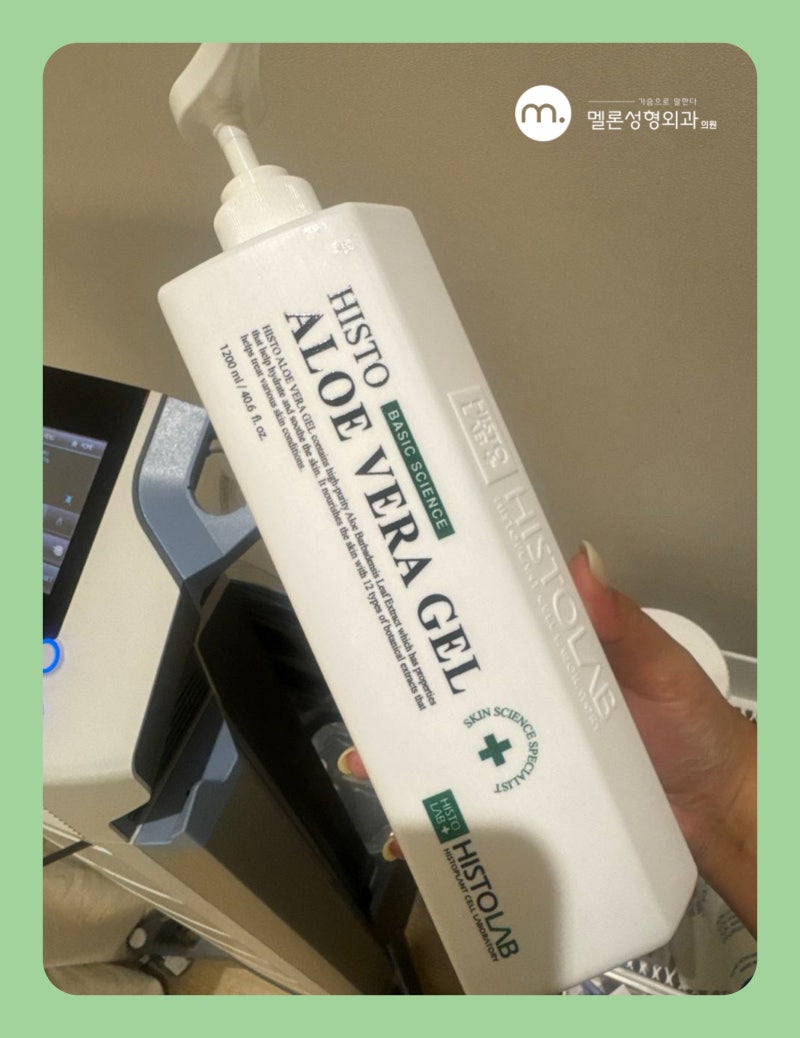
After a certain point post-surgery, it is also beneficial to use aloe gel to soothe skin irritation and reduce warmth. Aloe gel is a hypoallergenic moisturizer that can be used on the surgical site without irritation, preventing skin dryness and helping to relieve burning sensations or subtle discomfort. It is best to follow the medical staff's instructions regarding the timing and area of use during follow-up visits.
If the pain is severe, it may be necessary to inform the medical staff of your condition and take appropriate pain medication after confirmation. This is because the dosage and interval must be adhered to, considering your physical condition and the degree of pain. As the pain subsides, you can naturally increase the interval and stop taking the medication. Rather than enduring unnecessary pain, planned use of pain medication under the guidance of medical staff can facilitate a smoother recovery.
Importance of Movement and Posture Control
During the recovery period after breast augmentation, it is best to avoid movements that strain the body. Conversely, maintaining a fixed posture for too long can also cause pain. For example, if you lie down continuously, blood circulation may decrease and muscles may stiffen, intensifying the pain. Therefore, it is advisable to engage in light movements or change postures within a possible range even after surgery.
Furthermore, functional compression garments worn for a certain period after surgery not only help stabilize the augmented breasts but also play an important role in pain relief. They stabilize the position and shape of the implants and protect the tissue from minor external movements, thereby contributing to reduced pain and faster recovery. Compression garments should generally be worn for a specified period according to the medical staff's guidance, and discontinuing their use based on personal judgment should be avoided.
Regular Follow-ups and Specialist Advice
What needs to be considered during the recovery process is not to interpret your condition yourself.
Since the degree and duration of pain vary from person to person, excessive anxiety can negatively affect recovery. Therefore, it is best to have your current condition objectively checked through regular consultations and receive necessary advice from a specialist.
What you might consider simple pain could be an early symptom of infection or inflammation, or conversely, it could be a natural part of recovery that is not cause for concern. The safest way to confirm this is through examination by an experienced specialist.
Pain after breast augmentation is a normal recovery response that can occur to anyone. However, only with an accurate understanding of its causes and patterns, coupled with appropriate responses, can pain be minimized and recovery expedited.
If you have any questions, please feel free to contact us via the Kakao Channel below.

Frequently Asked Questions
Why does pain occur after breast augmentation?
Pain after breast augmentation can arise from several causes, including bleeding, inflammatory reactions, and, rarely, infection. Minor bleeding from tissue incision and dissection during surgery, natural inflammatory responses to heal damaged tissue, and bacterial infection can all cause pain.
What methods can be used to relieve pain after breast augmentation?
Yes, there are several methods for pain relief. Cold compresses are effective for the first 3-4 days immediately after surgery, and aloe gel can be used to soothe skin irritation. Additionally, taking pain medication as directed by medical staff, engaging in light movements and posture changes, and wearing functional compression garments can also help.
What should I do if the pain is severe after breast augmentation?
Yes, if the pain is severe, it is necessary to inform the medical staff of your condition and take pain medication appropriately. Follow the medical staff's instructions regarding the prescribed dosage and interval. Rather than enduring unnecessary pain, planned use of pain medication can contribute to a smoother recovery.
Is it mandatory to wear a compression garment after breast augmentation?
Yes, wearing a compression garment is important. Functional compression garments help stabilize the augmented breasts, secure the position and shape of the implants, and protect the tissue from external movements, thereby reducing pain and accelerating recovery. They should be worn for a specified period according to the medical staff's guidance.
Is it okay if I don't feel much pain after breast augmentation?
Yes, the nature and intensity of pain vary depending on individual constitution, surgical scope, and surgical method. While some may feel suspicious due to little pain, pain is one of the natural responses during the recovery process. Therefore, it is safest to have your condition checked by a specialist through regular consultations.