2026-07-21
Gangnam Breast Revision Surgery: Struggling with Texture, Asymmetry, or Side Effects?
Considering breast revision surgery in Gangnam due to issues like texture, asymmetry, or side effects? Learn about common reasons, optimal timing, and how to choose the right clinic.
Gangnam Breast Revision Surgery: Struggling with Texture, Asymmetry, or Side Effects?

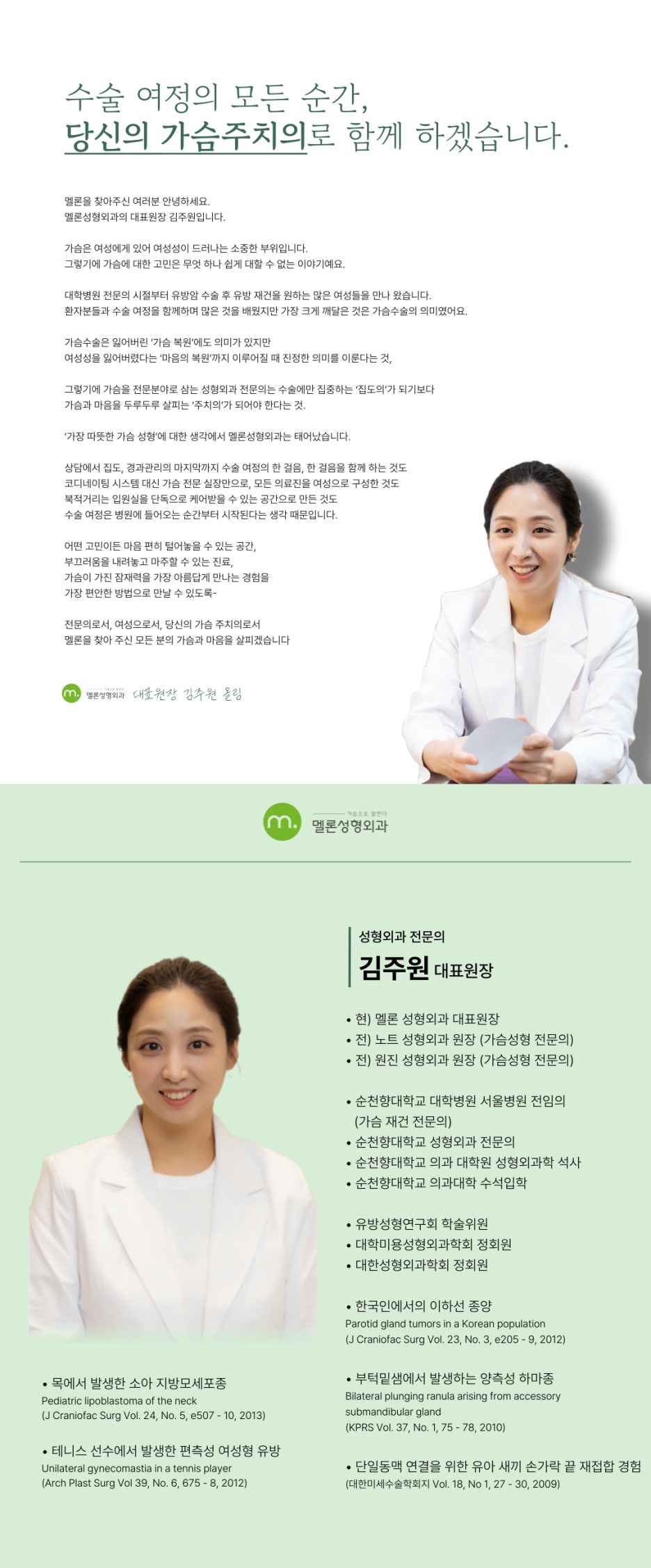
Hello. I am Dr. Kim Joo-won, the head director of Melon Plastic Surgery, your breast specialist.
While some cases achieve beautiful breasts with a single surgery, many individuals face results different from their expectations or experience side effects, leading them to consider revision surgery.
Breast augmentation is often said to be one of the most satisfying surgeries due to the clear before-and-after changes compared to other cosmetic procedures. However, if the texture or shape changes, the disappointment and worry can be just as significant.
‘If my breasts feel hard, could it be capsular contracture?’‘If implant ripples show through the skin, do I need revision surgery?’
Today, I will discuss the reasons for considering breast revision surgery, the appropriate timing for it, and the criteria for finding a good revision surgery clinic.
Breast Revision Surgery | Reasons for Considering Revision Surgery
Even small changes in the breasts can often feel significant.
The most commonly reported unusual symptom after surgery is capsular contracture. This is a typical side effect of breast augmentation, which may not be noticeable at first but tends to become more pronounced over time, causing the breasts to harden.
Even if it's not visible externally, if your breasts feel unusually firm when touched, you might suspect capsular contracture. As capsular contracture symptoms worsen, the firmness can become noticeable, leading to changes in shape, a pulling sensation, and discomfort during movement.
Besides capsular contracture, there are other reasons to consider revision surgery. For example, if only one breast hardens, showing a noticeable difference in the inframammary fold, or if the breasts sag downwards or outwards, or if they migrate towards the center, these are also reasons to consider revision surgery.
Although not strictly a side effect, the rippling phenomenon, where the inserted implant's folds show through the skin, is also one of the reasons to consider revision surgery.
Many cases consider revision surgery due to changing age groups and trends. This includes individuals who want to correct their breast shape to suit their age or desire the latest breast shape. There are also many cases where people want to adjust the size due to changing preferences or replace older implants with newer ones.
As such, there are various reasons to consider revision surgery. If you are contemplating revision surgery, the best way to alleviate your concerns about your breasts and find a solution is to clearly assess your current condition through communication with your medical team.
Breast Revision Surgery | Appropriate Timing for Breast Revision Surgery

‘I heard it's not good to have revision surgery too soon, is that true?’‘If capsular contracture is severe, should I have revision surgery immediately?’
The timing for breast revision surgery is generally recommended to be between 6 months and 1 year after the initial surgery.
This is because the inserted breast implant will have settled, and the shape and texture will have stabilized, allowing for a more stable breast condition to plan the surgery.
However, not all cases fit this criterion. In situations requiring prompt action, such as inflammation, bleeding, or implant rupture due to strong compression immediately after surgery, immediate revision surgery may be necessary.
For capsular contracture, it is best to determine the most appropriate timing for revision surgery by continuously observing the progress to assess tissue stability and the degree of contracture.
I believe that considering revision surgery means wanting to be free from worry and concern as soon as possible. If you are thinking about revision surgery, I hope you remember two things:
First, it is crucial to clearly understand your current condition through sufficient communication with your medical team so that this surgery can be your last breast surgery. Second, always remember that the timing of the surgery should be chosen based on what is most appropriate for ‘your body,’ rather than your feelings.
Breast Revision Surgery | Differences Between Revision Surgery and First Surgery
Most breast revision surgeries are more complex than initial surgeries, requiring more precise surgical methods and techniques.
In revision surgery, a capsule is often formed around the implant inserted in the first surgery, or the tissue may have hardened. Therefore, the condition of the inserted implant must be checked, and if necessary, capsule removal will be performed.
It may be necessary to clean up damaged areas and readjust the internal space to allow the new implant to settle comfortably. While a primary breast augmentation typically takes 1-2 hours, revision surgery can take longer depending on the complexity of the case.
You might also be curious about the level of pain. Generally, the pain from revision surgery is not as severe as that of the first surgery. Most people find daily activities easier compared to their first surgery.
After revision surgery, movement becomes much lighter within 3-7 days, and initial swelling increases for 4-5 days before gradually subsiding. Since revision surgery involves reorganizing existing tissue, most discomfort felt in the early stages of surgery stabilizes over time.
Post-operative care is also a very important process in revision surgery. When post-operative care is meticulously performed from multiple angles—including follow-up observations by the surgeon, detailed guidance from the medical staff, and your own self-care—you can achieve satisfying results that help you forget the disappointment of the first surgery.
Breast Revision Surgery | Criteria for Finding a Good Revision Surgery Clinic

When considering breast revision surgery, you'll want detailed answers to even the smallest questions.
If the first surgery left you with emotional scars, the decision for another surgery can be cautious. Revision surgery requires meticulous correction, so choosing a medical institution plays a crucial role.
First, you should check whether the medical team has sufficient experience in breast revision surgery. It's good to thoroughly examine how the chosen institution diagnoses your condition through communication, whether they clearly explain the issues with your current breasts, and if they propose appropriate solutions for you.
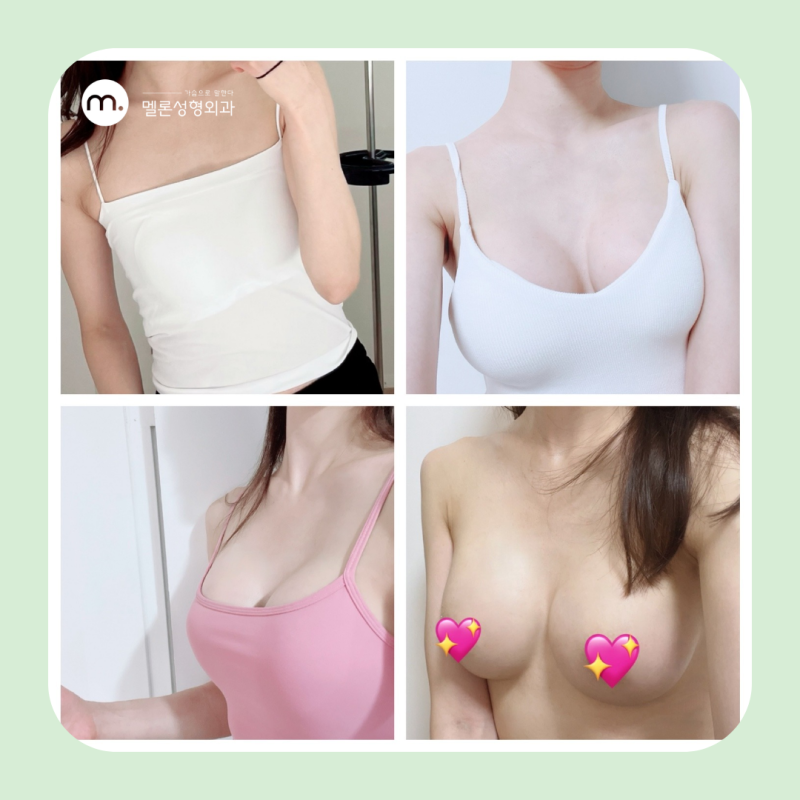
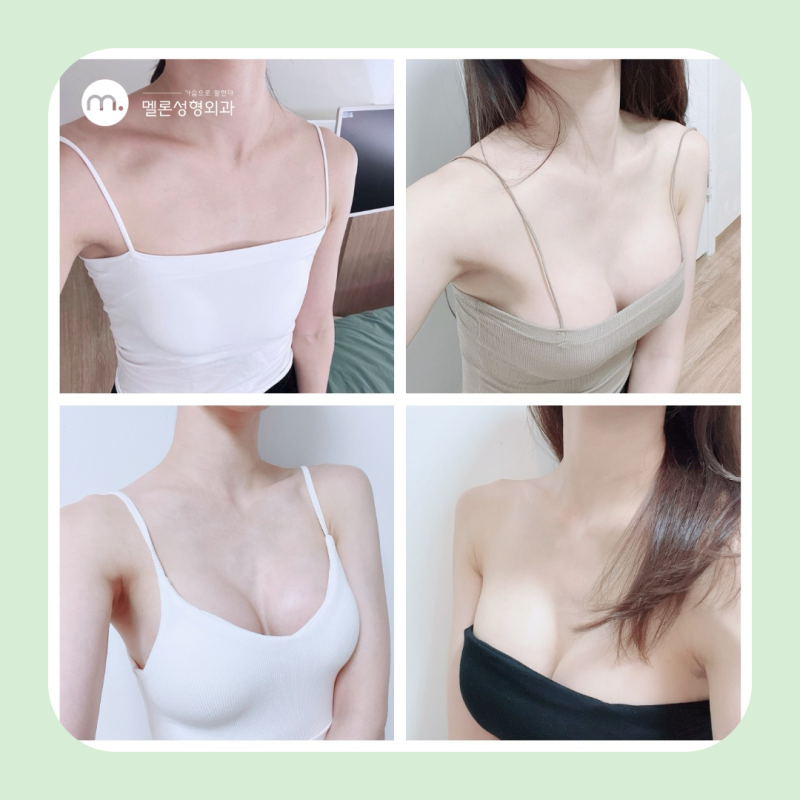
Looking for similar cases in the institution's reviews and examining the before-and-after changes can also help you choose an institution.
It is also essential to check how they manage post-operative recovery. If you can meet the surgeon who performed your operation at each follow-up, you can directly discuss your changing concerns and questions. If the clinic systematically checks the breast tissue, skin, and scars after surgery, you can achieve a comfortable recovery.
Melon Plastic Surgery operates the ‘Safe & Secure Melon Care Program’ for post-operative recovery. Through step-by-step device management, we help stabilize swelling and irritated skin tissue after surgery and care for scars with laser treatment.
We also support more positive self-care with the ‘Melon Box,’ which contains breast care products, so that recovery care can continue even when you are at home. Of course, during your visits, I personally examine your condition and observe your progress.
As I mentioned before, post-operative recovery care is a very important process in revision surgery. Please remember that your breasts can recover most comfortably when care is provided from multiple angles, including your surgeon, the head coordinator, and yourself.
If you have any concerns, please feel free to discuss them. We will be with you for any breast-related worries.
Thank you.
Frequently Asked Questions
When should I consider breast revision surgery?
Breast revision surgery can be considered when you experience capsular contracture, asymmetry, rippling (where implant wrinkles are visible through the skin), or if you desire a change in shape due to age or trends. It is important to clearly confirm your current condition through consultation with medical staff.
When is the most appropriate time to undergo breast revision surgery?
Generally, it is recommended to undergo breast revision surgery between 6 months and 1 year after the initial surgery. However, in cases requiring prompt action such as inflammation, bleeding, or implant rupture, immediate revision surgery may be necessary.
Is breast revision surgery more painful than the first surgery?
No, generally, the pain of breast revision surgery is not greater than that of the first surgery. Most people find daily activities easier than after the first surgery, and initial discomfort stabilizes over time.
How long is the recovery period after breast revision surgery?
After revision surgery, movement becomes lighter within 3-7 days, and initial swelling increases until day 4-5, then gradually subsides. Since it involves reorganizing existing tissue, most discomfort stabilizes over time.
What are important criteria when choosing a hospital for breast revision surgery?
You should check if the medical staff has sufficient experience in breast revision surgery, can clearly diagnose your current condition, and propose appropriate solutions. It is also important to choose a place with a systematic recovery management system after surgery.
If capsular contracture is suspected, should I undergo revision surgery immediately?
No, in cases of capsular contracture, it is best to determine the stability of the tissue and the degree of contracture through continuous observation to find the most appropriate time for revision surgery. If symptoms worsen, you may experience changes in shape or discomfort.