2026-07-21
Rippling Phenomenon: Causes, Symptoms, and Whether Surgery is Necessary
Rippling, a common concern after breast augmentation, occurs when implant wrinkles show through the skin. Learn its causes, prevention, and treatment options.

Rippling Phenomenon: Causes, Symptoms, and Whether Surgery is Necessary
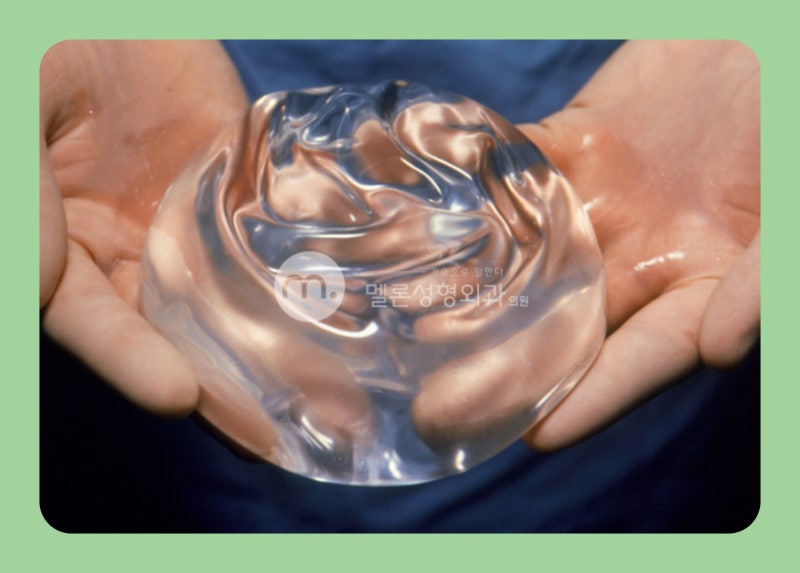
Breast augmentation is considered one of the ways women can regain confidence and address physical insecurities. However, like all surgeries, breast augmentation can lead to side effects or unexpected phenomena.
One common concern after surgery is ‘rippling’. Rippling is a phenomenon where the wrinkled surface of a breast implant becomes visible through the skin, appearing as creases or wave-like undulations, which can be aesthetically displeasing. Today, we will explore the causes and symptoms of rippling, methods to prevent it, and whether treatment is absolutely necessary.
What are the main causes of rippling?

Rippling occurs due to a combination of implant type and individual body characteristics.
Saline implants, in particular, are more prone to rippling than silicone implants. Since saline implants are filled with liquid, they move like water with changes in body posture or movement. This tends to make wrinkles more visible on the skin's surface.
In cases where the skin or fat layer is thin, the outline of the implant is also more likely to be visible or palpable. Rippling can also occur if the implant is placed above the muscle (directly beneath the glandular tissue).
Can rippling be prevented in advance?
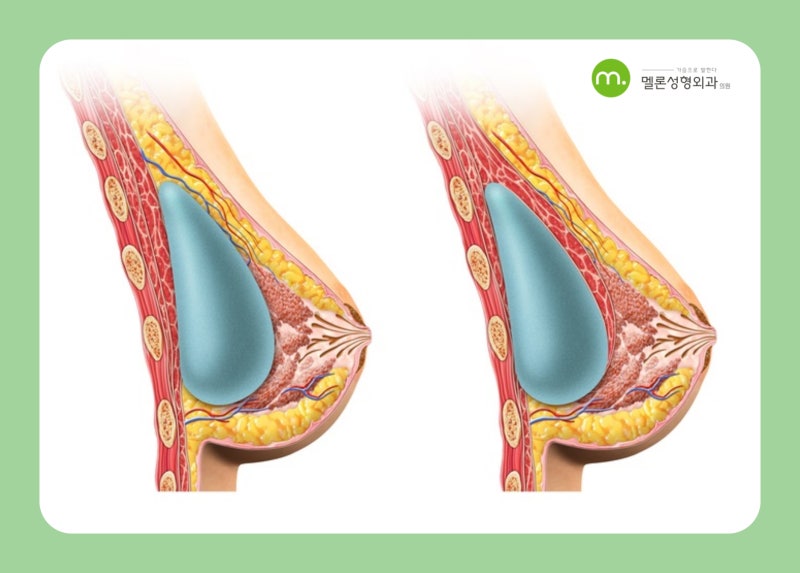
While it's impossible to guarantee that rippling won't occur, careful preparation, including analyzing body type and skin type, can minimize its incidence.
For instance, for individuals with thin skin or insufficient fat layers, inserting the implant under the muscle (beneath the pectoralis major) can reduce the likelihood of the implant's contours showing through the skin. This is because the thick muscle covers the implant.
Implant selection also plays a role. Cohesive gel silicone implants with a smooth surface and high viscosity tend to show less rippling. Recently, microtextured implants, which allow for natural movement beneath the skin, also greatly help prevent rippling.
What should I do if rippling occurs?

If rippling has already appeared, it's best to consult with a specialist without panicking.
Most rippling can be improved through revision surgery. You can see significant improvement by changing the implant's position to under the muscle or by replacing saline implants with silicone implants.
What is the best post-operative care?
Post-operative care is crucial for preventing and improving rippling.
It's advisable to avoid drastic weight changes or excessive dieting until the implant has settled stably. A rapid decrease in weight can thin the skin layer, increasing the likelihood of rippling.
Maintaining a healthy weight and engaging in regular exercise to keep the chest muscles and surrounding tissues healthy is important. Additionally, regular hospital visits for follow-ups and ultrasound examinations to check the implant's condition can help detect and manage rippling issues early.
Things to remember for healthy and beautiful results

While breast augmentation has made remarkable technological advancements, unexpected variables always exist due to the unique body types of each individual undergoing surgery.
Therefore, to minimize rippling, thorough consultation and a meticulous plan tailored to your body type are essential, along with consistent post-operative care.
Rippling is not considered a complication, but it can lead to dissatisfaction if it occurs. With detailed pre-operative observation and appropriate planning, the possibility of its occurrence can be reduced, and even if it does occur, solutions exist, so there's no need to worry too much. By discussing with a specialist to get accurate information and approaching it carefully, you can achieve healthy and satisfying results.


Frequently Asked Questions
What is rippling?
Rippling is a phenomenon where the wrinkled surface of a breast implant becomes visible through the skin, appearing wavy and causing aesthetic discomfort. It can occur more easily, especially with saline implants or in individuals with thin skin and fat layers.
Why does rippling occur?
Rippling occurs due to a combination of implant type and individual body characteristics. Saline implants are more prone to rippling than silicone implants, and the likelihood increases if the skin or fat layer is thin, or if the implant is placed above the muscle.
Are there ways to prevent rippling?
Yes, it can be prevented. If you have thin skin or insufficient fat, it helps to insert the implant under the muscle and choose a cohesive gel silicone implant with a smooth surface and high viscosity, or a microtextured implant.
What should I do if rippling has already occurred?
If rippling has already appeared, it is best to consult with a specialist. In most cases, it can be improved through revision surgery, by changing the implant position to under the muscle or replacing saline implants with silicone implants.
How should I manage post-surgery to prevent rippling?
It is important to avoid drastic weight changes or excessive dieting until the implant settles stably. Maintain an appropriate weight, manage chest muscles with regular exercise, and check the implant status with regular hospital visits.
Is rippling considered a side effect?
No, rippling is not considered a side effect. However, it can reduce satisfaction with the surgery when it appears. Careful observation and appropriate planning before surgery can lower the possibility of occurrence, and solutions exist even if it does occur.