2026-07-21
How to Measure Bra Cup Size & Check Bra Replacement Period
Learn how to accurately measure your bra cup size, recognize signs of an ill-fitting bra, and understand when to replace your bra for optimal breast health and comfort.
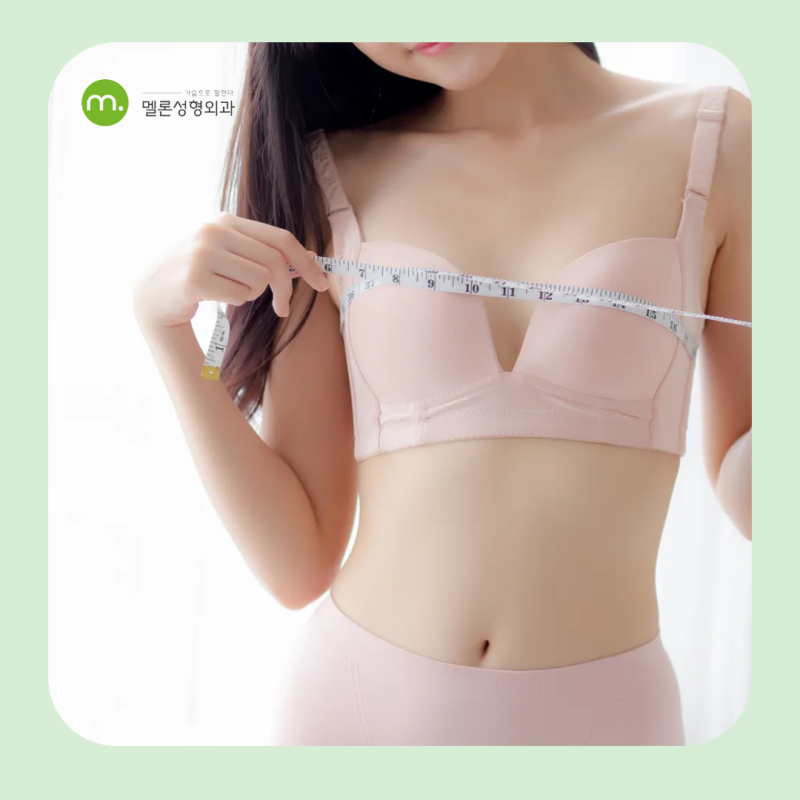
How to Measure Bra Cup Size & Check Bra Replacement Period
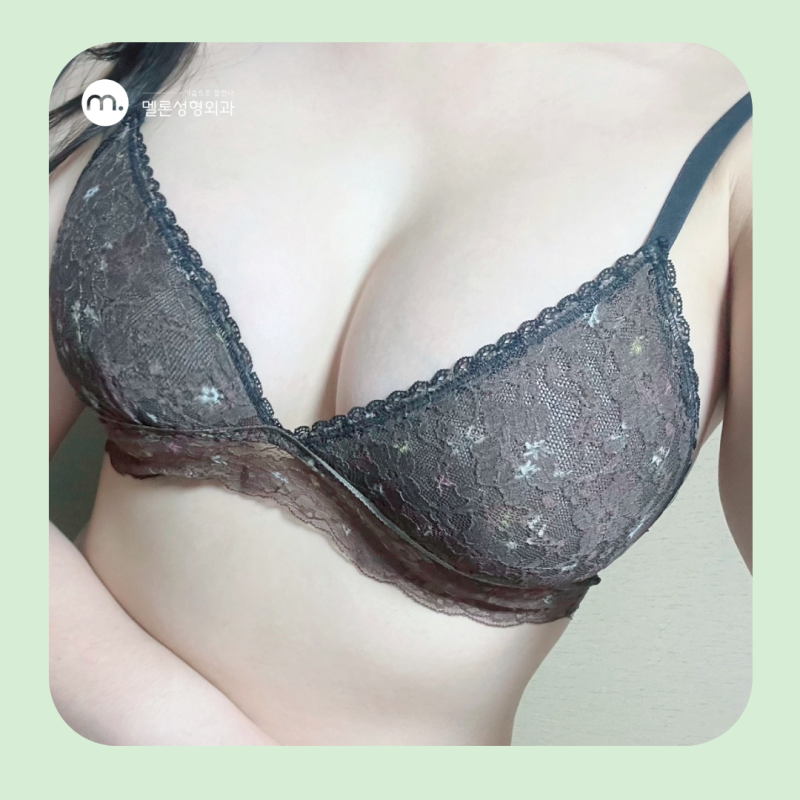
Hello. I'm Dr. Kim Joo-won, the head director of Melon Plastic Surgery, your breast specialist.
What is the one item of clothing women wear all day long? It's a bra.
However, despite wearing it all day, finding the perfect bra size isn't easy. Some people feel constricted and uncomfortable because their breasts are squeezed, while many others say their bras slip down due to insufficient support.
You should know that wearing an ill-fitting bra can lead to shoulder pain and, over time, affect the shape of your breasts. It might seem minor, but choosing the right bra can be an important habit for maintaining the health and beautiful shape of your breasts.
‘I don't know if my bra is the right size.’‘When should I replace my bra with a new one?’
Today, I will explain the correct way to measure bra cup size, the physical signs that indicate a size mismatch, and the replacement cycle and care methods. I hope you can keep your breasts beautiful by wearing a bra that fits you perfectly.
What's My Cup Size? | The Correct Way to Measure Your Size
Bra size can be measured using the following method. First, please prepare a tape measure.
1. Measure and confirm your underbust circumference.2. Measure your bust circumference and check the difference from your underbust circumference.3. Determine which cup size you belong to.
If the difference between your underbust and bust circumference is approximately 7.5cm, it's an AA cup; around 10cm, an A cup; around 12.5cm, a B cup; and around 15cm, a C cup.
Cup sizes are usually divided into 2.5cm increments. If your circumference difference doesn't fall exactly into one category, choose the cup size on the higher end.
When using a tape measure, it's more accurate to wrap it naturally around your ribcage without pulling it too tight. It's also best to avoid forcing your chest out or holding your breath, as this can result in inaccurate measurements.
Many people choose the same bra size they usually wear or estimate by looking in the mirror, but most often, they are wearing a bra that is not the right size for their breasts.
A bra that is too small for your breasts can compress them, causing pain or discomfort, and put a strain on blood circulation. Conversely, a bra that is too large may lack sufficient support, causing it to slip down, and in the long run, it can even lead to changes in breast shape.
I hope you remember that accurately measuring your breast size is not just for a good appearance but is fundamental to maintaining breast health.
What's My Bra Size? | Signs of an Ill-Fitting Size
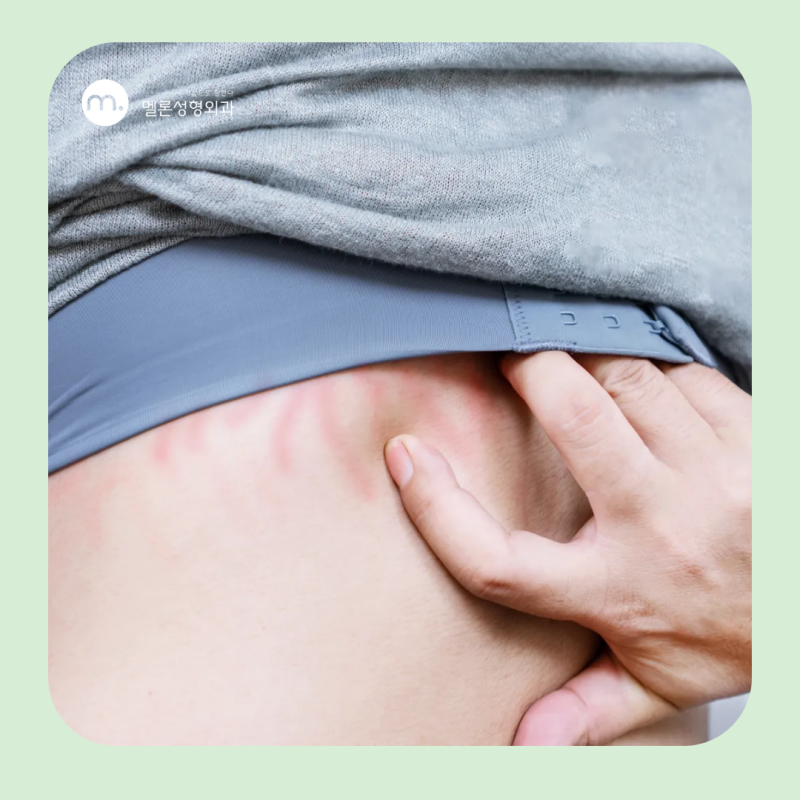
When your bra doesn't fit, your body sends signals.
‘My shoulder straps keep slipping down; is that a size issue?’‘I have band marks; is that because the size is too small?’
Whether your shoulder straps slip down or dig into your shoulders, or if the bra band leaves deep marks, these can all be signs of a size problem. If the bra band is excessively small, it can cause discomfort and even lead to skin damage by compressing the breasts.
If the bra cup is too small, your breasts might spill out over the top or sides of the cup. If the cup is too large, it lacks sufficient support, making it difficult for the bra to perform its function.
Since a bra is worn for an average of more than 10 hours a day, even minor discomfort can accumulate into a significant burden.
The pressure from an ill-fitting size can hinder blood circulation and lymphatic flow, leading to fatigue and physical discomfort. Therefore, if you repeatedly experience discomfort from your bra, it's a good idea to check your size.
How to Care for Your Bra? | Replacement Cycle and Care Tips

Since bras are underwear worn daily, they require care, and it's good to know their replacement period.
The replacement period is generally known to be between 6 months and 1 year, but this can be shortened depending on wearing frequency and washing habits. Bras worn daily stretch out quickly, so they may need to be replaced sooner than you think.
The signs that a replacement is needed are clear. If the bra band becomes loose and stretched, the cup shape is distorted, the underwire pokes out, or if the fit feels different from before, you should consider it no longer performing its function.
A stretched-out bra loses its support, failing to properly hold the breasts. Continuously wearing such a bra can cause the breast shape to sag, which is detrimental to both aesthetics and health.
Washing and storage habits also determine the lifespan of a bra. Using hot water or a dryer can weaken the bra's band and cause shape deformation, so it's best to avoid them. The best method is to hand wash in cold water, and instead of twisting to wring out water, press it with a towel and lay it flat to dry.
When storing bras, it's also good to arrange them neatly so that the cups don't get crushed.
These are small habits, but they protect the lifespan and comfort of your bra, and most importantly, they contribute to your body's comfort. I hope you keep this in mind.
Bra Selection | A Habit for Breast Health
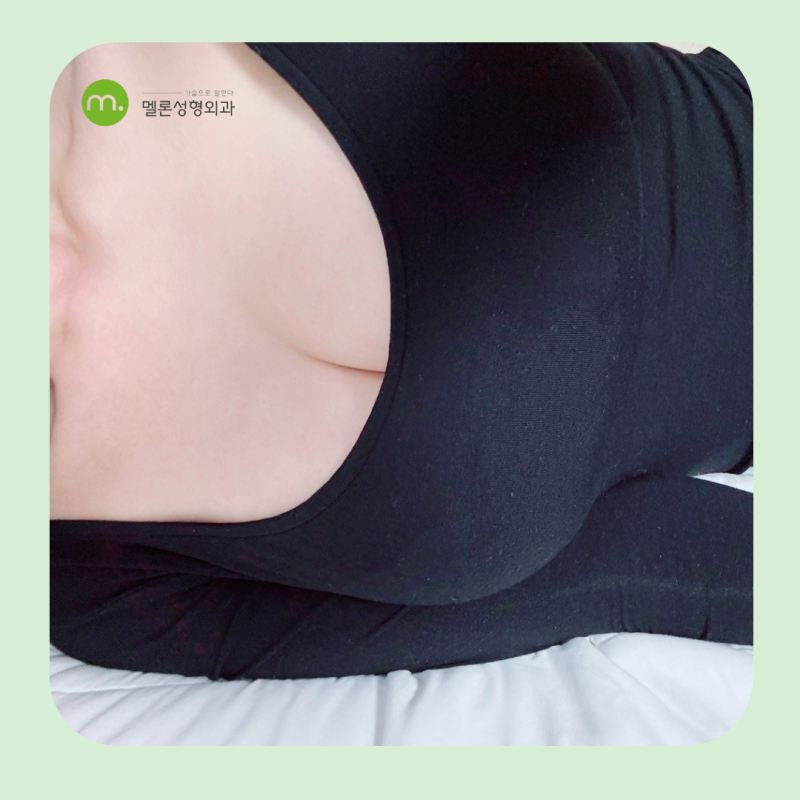
A bra is an item of clothing that functions to protect breast health, beauty, and confidence.
A correctly sized bra reduces unnecessary pressure, provides daily comfort, and helps maintain a healthy breast shape. Conversely, an ill-fitting bra can lead to discomfort and stress.
As it's worn all day, it's important that your body feels comfortable without discomfort.
If you still feel discomfort even after choosing the right bra, it might be due to different innate body conditions. In such cases, communicating with medical professionals to confirm your condition and exploring possible surgical methods for improvement can help maintain beautiful breasts.
Today, I discussed bra size and how to measure it. Please feel free to communicate any concerns you have about your breasts. All medical staff at Melon Plastic Surgery are with you on every breast journey.
Thank you.

Frequently Asked Questions
How do I measure my bra cup size?
Bra cup size is determined by measuring the underbust and bust circumference and calculating the difference. It's most accurate to wrap the tape measure naturally around the ribcage, avoiding forcing your chest out or holding your breath.
What problems can arise from wearing an ill-fitting bra?
Wearing an ill-fitting bra can lead to problems such as shoulder pain, discomfort, hindered blood circulation, and changes in breast shape. A bra that is too small can compress the breasts, while one that is too large lacks support and can cause breasts to sag.
When should I replace my bra with a new one?
It's generally recommended to replace bras every 6 months to 1 year. It's time for a replacement if the band becomes loose and stretched, the cup shape is distorted, the underwire pokes out, or if the fit feels different from before.
How can I care for my bra to make it last longer?
To make your bra last longer, hand wash it in cold water, avoid twisting to wring out water, press it with a towel to remove moisture, and lay it flat to dry. Avoid using hot water or a dryer, as these can weaken the band and cause shape deformation.
What are the signs that my bra size is incorrect?
Signs that your bra size is incorrect include shoulder straps slipping down or digging into your shoulders, deep marks left by the bra band, or breasts spilling out over the top or sides of the cup.