2026-07-21
Nipple Correction | Are you looking for information on inverted nipples, nipple reduction, costs, and reviews?
Explore nipple correction for inverted nipples and nipple reduction. Understand causes, surgical methods, recovery, and why expert care is crucial for both aesthetic and functional results.
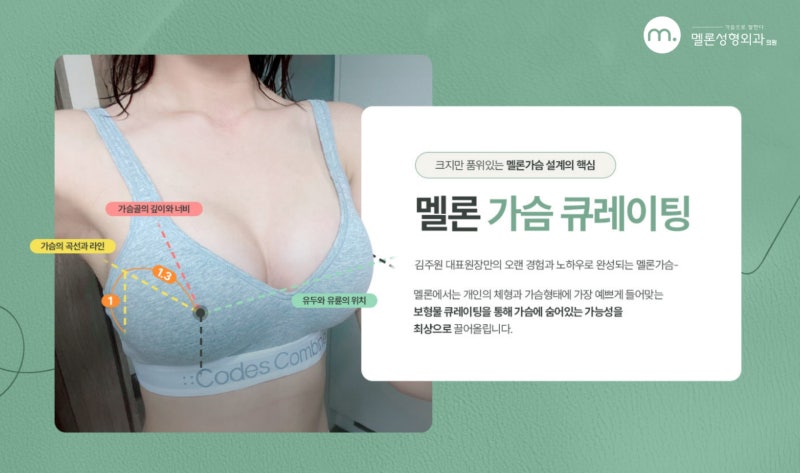
Nipple Correction | Are you looking for information on inverted nipples, nipple reduction, costs, and reviews?
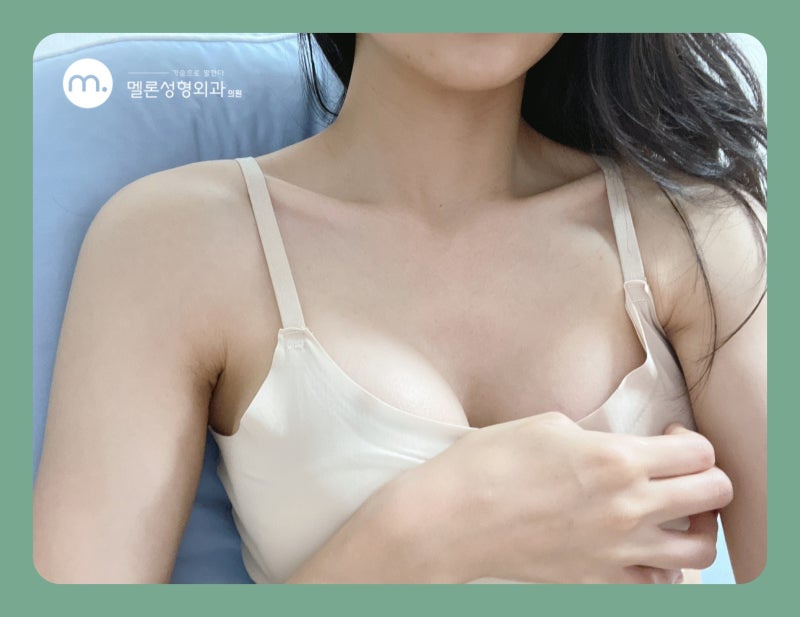
When we think of breast augmentation, we often simply imagine breast enlargement. However, it's impossible to discuss breast augmentation without mentioning the ‘nipple’, as it is a crucial factor in determining the balance of breast shape and form.
The position and shape of the nipple—whether it's inverted, excessively large, or located on the outer part of the breast—not only affect satisfaction with breast surgery but can also cause daily discomfort.
The breasts can be a body part that some are reluctant to discuss. Due to the difficulty in talking about it, many individuals struggle alone and neglect the issue. That's why today I'll be discussing inverted nipple and nipple reduction surgeries. We'll explore why these surgeries are necessary and how they are performed.
A Common Concern You Might Not Realize: What Causes Inverted Nipples?
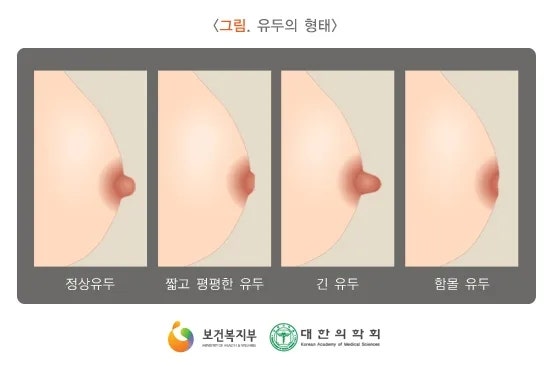
An inverted nipple refers to a nipple that is sunken inward. Congenitally, it primarily occurs when the milk ducts are short or the skin tissue supporting the nipple is tight. Acquired cases can develop due to repeated stimulation during pregnancy, childbirth, and breastfeeding.
Beyond cosmetic dissatisfaction, inverted nipples can cause numerous inconveniences. When the nipple is not exposed, hygiene management becomes difficult, and issues like inflammation or discharge can recur. Frequent infections can lead to discomfort or pain in daily life. Especially after childbirth, severely inverted nipples can make breastfeeding difficult or impossible, and may be accompanied by dull or hypersensitive nipple sensation.
Most importantly, because it's a concern that's hard to discuss with others, it can lead to emotional withdrawal or decreased self-esteem. Therefore, if necessary, it is advisable to seek professional consultation to find a solution.
Inverted Nipple Treatment Through Delicate Techniques
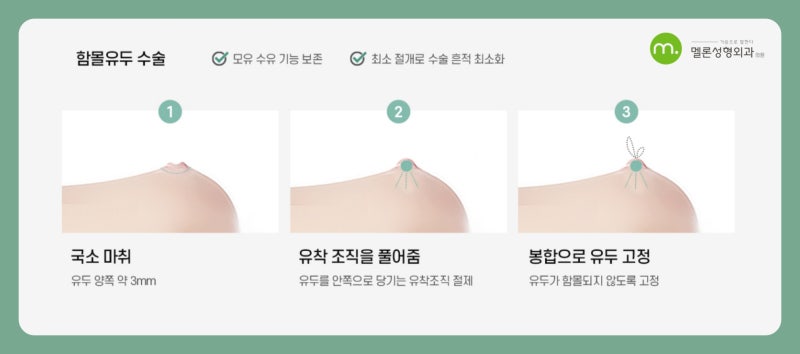
Inverted nipple surgery aims to restore the nipple to a normal shape while preserving the function of the milk ducts as much as possible. The surgery is performed under local anesthesia, involving small incisions of about 3mm on both sides of the nipple to delicately excise the adhesive tissue that pulls the nipple inward. Afterward, the nipple is meticulously sutured and fixed to maintain stability and prevent it from becoming inverted again.
This procedure is performed with minimal incisions, resulting in almost no noticeable scars. The surgery time is short, and recovery is relatively quick. It allows for an easy return to daily life and offers both aesthetic results and functional recovery.
Nipples That Are Too Large: Stop the Embarrassing Worries Now
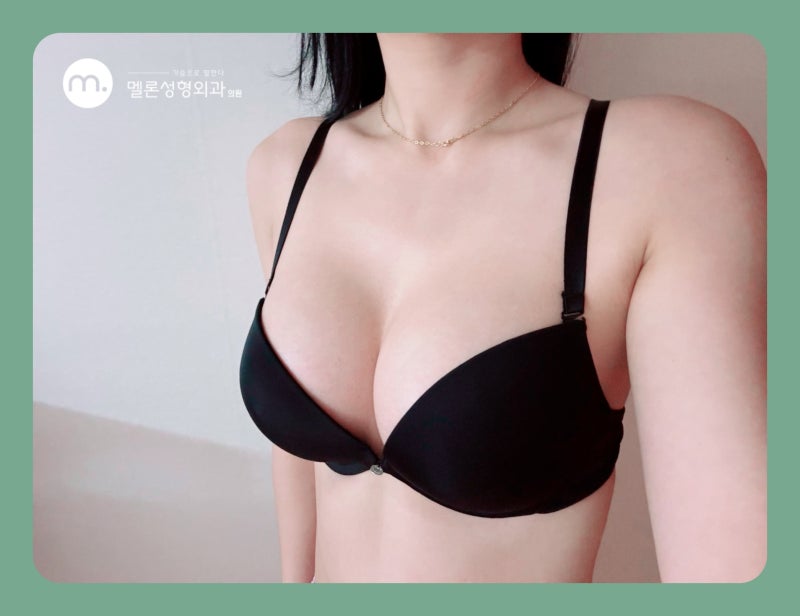
Many individuals experience discomfort due to nipples that are excessively large or elongated. For large nipples, they can be noticeable when wearing clothes, or repeated friction from underwear can cause continuous discomfort. This can also lead to sensitive skin or pain.
Especially when the nipple size is disproportionate to the body, it can disrupt the overall balance of the breasts, affecting self-confidence. Generally, an ideal nipple diameter is considered to be around 1-1.5cm, and it's important to achieve a balanced proportion according to an individual's body type and breast shape.
Nipple Reduction Surgery to Restore the Most Natural Breast Proportions
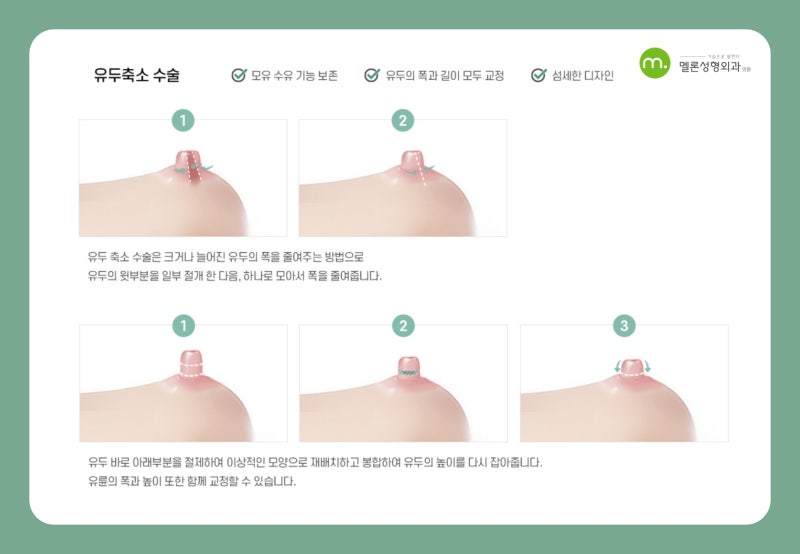
Nipple reduction surgery is a procedure that corrects excessively large or elongated nipples into an ideal shape. If the nipple is wide, the upper part is partially incised to reduce its width. If the height is excessive, the lower part of the nipple is excised and naturally repositioned.
Thus, nipple reduction surgery precisely adjusts the height and width of the nipple, creating a more harmonious and neat balance for the breasts. If necessary, the areola surrounding the nipple can also be corrected, and a delicate surgical plan is designed to match each individual's body type and natural breast proportions.
The surgery is performed in a relatively simple manner. With proper post-operative care, scars are barely noticeable, and recovery is quick. Nipple reduction, which considers both nipple function and aesthetics, can help not only with external satisfaction but also with restoring self-confidence.
The Importance of Post-Operative Care for Rapid Recovery
Nipple-related surgeries typically involve small incision areas and relatively quick recovery, but the outcome and scar condition can vary depending on post-operative care. Immediately after surgery, some bruising and swelling may occur, but these usually subside naturally within a week.
During the recovery process, it's crucial to keep the wound area clean, and additional care such as ointment, taping, or laser treatment may be helpful depending on the skin condition. Avoiding excessive stimulation of the surgical site and diligently following the medical staff's guidelines regarding the return to daily life and precautions, tailored to your individual condition, plays a significant role in accelerating recovery.
Regular follow-up checks and proper aftercare can enhance the stability and aesthetic completeness of the surgical site, so it's advisable to consider the recovery process as an important part of the treatment.
Nipple Augmentation: Why More Precise Techniques Are Needed
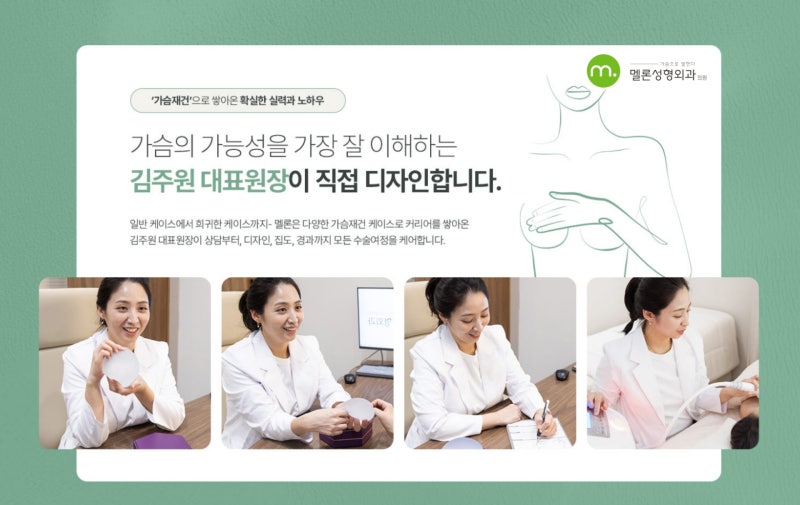
Nipple augmentation may seem small and simple, but in reality, it requires highly delicate techniques. This is because the nipple is an area densely packed with nerves and milk ducts, so it's essential to create a natural and harmonious shape without compromising nipple sensation and function. Therefore, a meticulous approach is crucial for nipple augmentation, from surgical planning to design.
Rather than an approach limited to size and shape correction, considering skin elasticity, nipple position, and the balance with the overall breast line are all important factors for achieving satisfactory results. Even with the same method, the precision of the surgery can make a big difference in terms of scars, recovery, and overall completeness, making the surgeon's skill a critical factor.
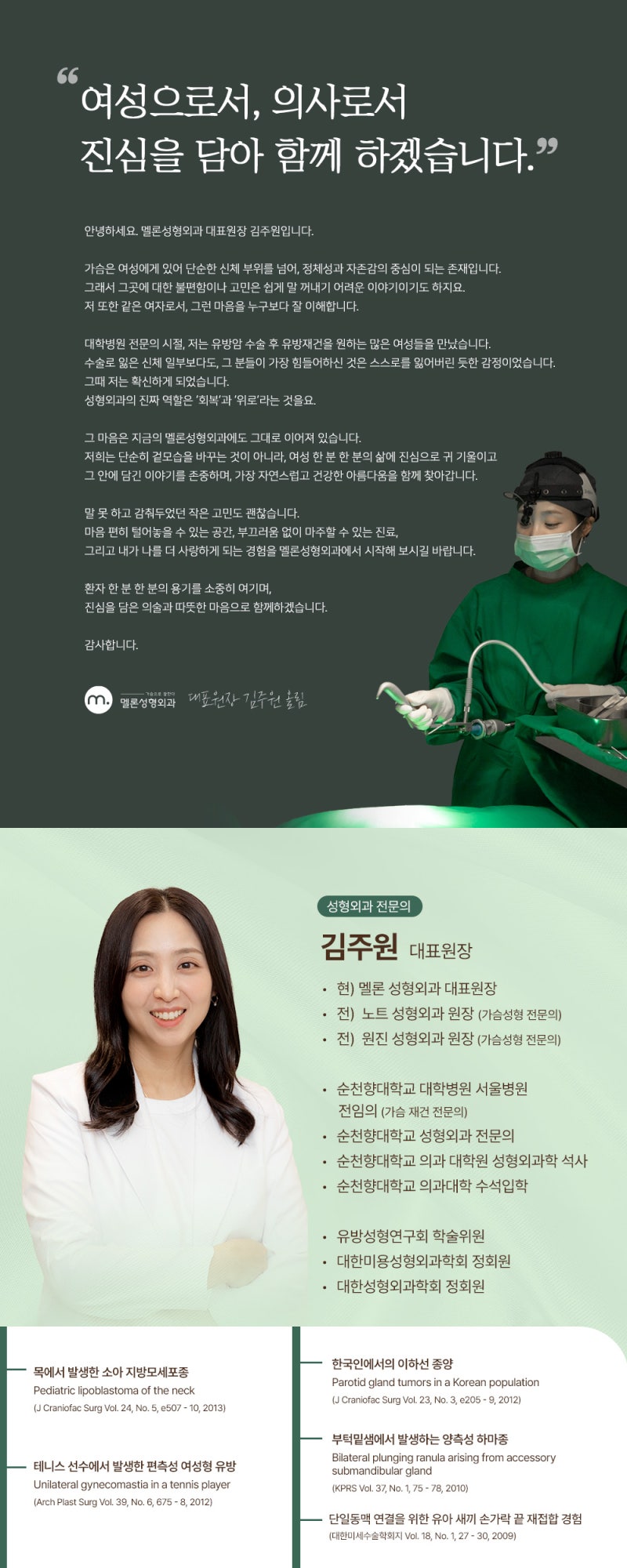
Nipple augmentation goes beyond improving appearance; it holds significant meaning in alleviating long-standing concerns and restoring self-confidence. Melon Plastic Surgery listens to each individual's concerns and is committed to providing the best possible care to ensure the safest and most satisfying results.
Thank you.


Frequently Asked Questions
Why do inverted nipples occur?
An inverted nipple refers to a nipple that is sunken inward. It primarily occurs congenitally when the milk ducts are short or the skin tissue supporting the nipple is tight. Acquired cases can develop due to repeated stimulation during pregnancy, childbirth, and breastfeeding.
How is inverted nipple surgery performed?
Inverted nipple surgery is performed under local anesthesia, involving small incisions of about 3mm on both sides of the nipple to excise the adhesive tissue that pulls the nipple inward. The goal is to meticulously suture and fix the nipple to prevent it from becoming inverted again, restoring it to a normal shape.
When is nipple reduction surgery necessary?
Nipple reduction surgery is necessary when the nipple is excessively large or elongated, making it noticeable when wearing clothes, or causing discomfort and pain due to friction. It can also be considered when the overall balance of the breasts is disrupted, leading to decreased self-confidence.
How is nipple reduction surgery performed?
For nipple reduction surgery, if the nipple is wide, the upper part is partially incised to reduce its width. If the height is excessive, the lower part of the nipple is excised and naturally repositioned. This procedure precisely adjusts the height and width of the nipple to create a harmonious balance for the breasts.
How long is the recovery period after nipple augmentation?
Nipple augmentation involves small incision areas, leading to a relatively quick recovery. Some bruising and swelling may occur immediately after surgery, but these usually subside naturally within a week. It's crucial to keep the wound area clean and follow the medical staff's guidelines for care.
What is important during nipple augmentation?
Nipple augmentation requires highly delicate techniques because the nipple is an area densely packed with nerves and milk ducts. It's crucial to preserve nipple sensation and function while creating a natural and harmonious shape. The surgeon's skill and a precise surgical plan are key to achieving satisfactory results.