2026-07-21
Dual Plane vs. Subfascial: Is There a Difference in Method?
Explore the differences between dual plane and subfascial breast augmentation, focusing on implant placement, recovery, and aesthetic outcomes to help you choose the best method for your body and lifestyle.

Dual Plane vs. Subfascial: Is There a Difference in Method?
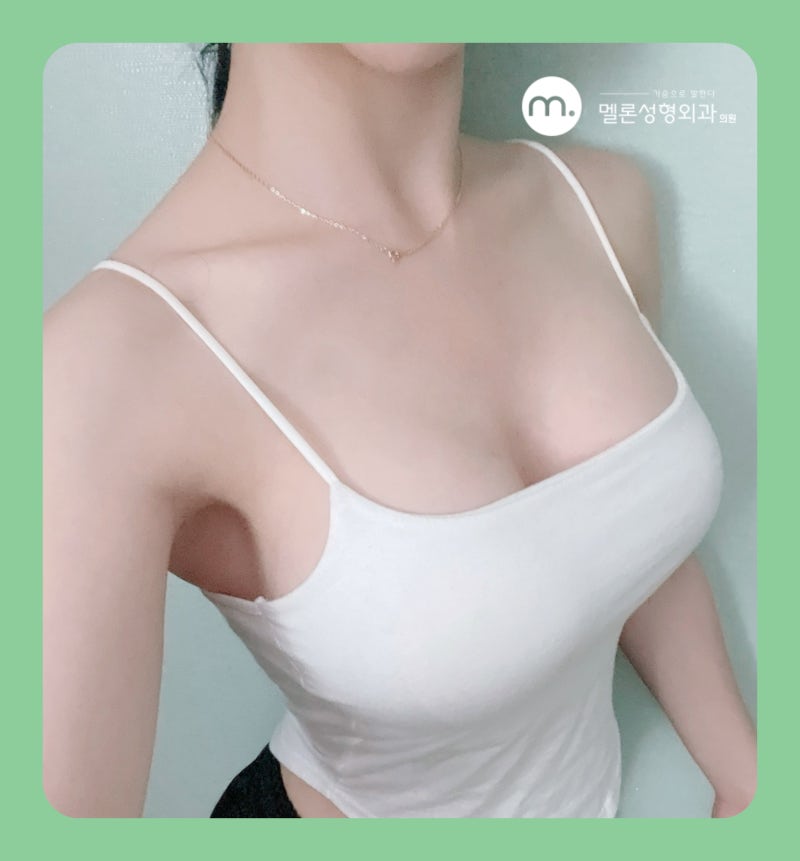
Everyone goes through a similar process when deciding on breast augmentation.
From wondering which implant is best, where the incision should be, and how long recovery will take, one crucial part of the pre-surgery study involves going through each piece of information about breast augmentation to visualize the specific surgery you will receive.
While implants and incision sites are on the list of choices to make before surgery, there's another important decision: ‘implant placement’. The position where the implant is inserted significantly impacts satisfaction with post-surgery life and appearance. So today, I'd like to discuss the differences and pros and cons of the surgical terms ‘dual plane’ and ‘subfascial’, which refer to implant placement.
Before we begin, I want to emphasize that there is no ‘better’ method for implant placement. It's crucial to find a method that suits each individual's body type, breast condition, and lifestyle. Please keep this in mind.
How do the spaces where implants are placed differ?
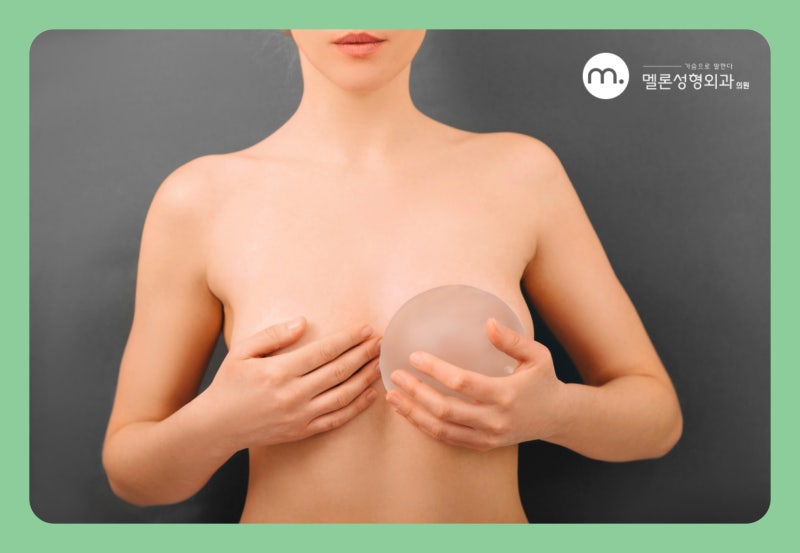
Breast implant placement is classified based on whether it's placed above or below the pectoralis major muscle (chest muscle).
First, ‘dual plane’ is a surgical method where the upper part of the implant is placed under the muscle, and the lower part is placed above the muscle – positioning the implant in ‘two areas’, hence the name ‘dual plane’. ‘Subfascial’ is a surgical method where the implant is placed under the ‘fascia’, which is the membrane covering the muscle. In this case, the implant sits above the muscle and below the fascia.
To put it simply, in the ‘dual plane’ method, the upper part of the implant is covered by the thick pectoralis major muscle, and the lower part is covered by soft breast tissue.
In the ‘subfascial’ method, the implant is inserted under the fascia, which is located above the muscle, without disturbing the muscle. Even if the same implant is used, recovery, shape, and feel can differ depending on the placement, so understanding the insertion location is essential.
Dual Plane: Designed for a natural line that looks less like surgery
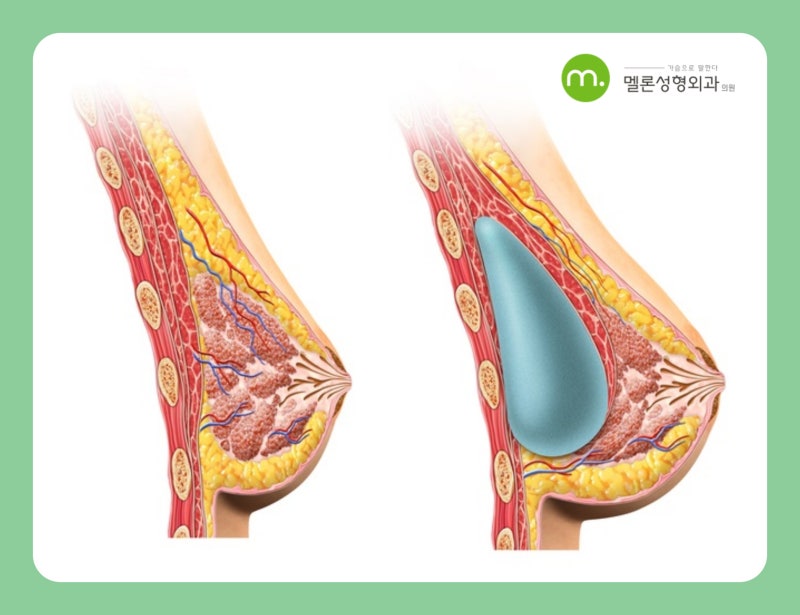
The biggest advantage of the dual plane method is that the thick muscle covers the implant. This method has a high probability of creating a natural look even for those with thin skin or a slender physique, and it's effective in creating a natural teardrop curve without upper pole fullness.
Since the upper part of the implant is covered by muscle, it provides a more stable feeling, and the lower part, covered by soft breast tissue, generally offers high satisfaction with the feel. However, because the large pectoralis major muscle covers part of the implant, an ‘animation phenomenon’ might occur where implant movement is felt when the chest muscles are significantly moved. It's also important to consider that initial pain might be greater as this surgery involves muscle separation. This could be uncomfortable for those who enjoy exercising regularly.
Subfascial: Designed for quick recovery and comfortable daily life
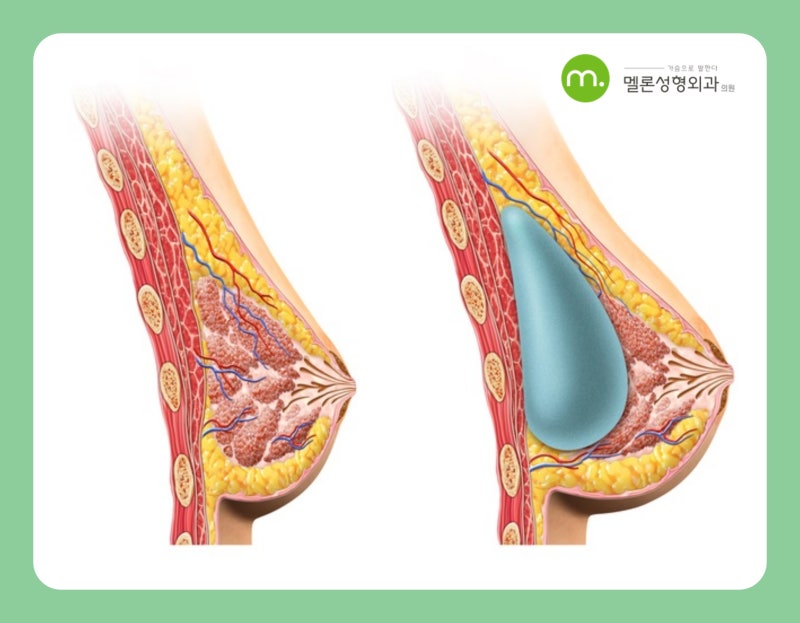
The ‘subfascial’ method has the advantage of relatively less post-operative pain and faster recovery because the muscle is not disturbed. Furthermore, it is not affected by chest muscle contraction, allowing for a natural and soft feel without any sensation of implant movement.
Therefore, it is a suitable method for those who enjoy exercising regularly or have a lifestyle that involves frequent physical activity. However, since the relatively thin ‘fascia’ covers the implant compared to thick muscle, if you have thin skin and tissue, you should be aware that implant surface wrinkles might show through the skin (rippling phenomenon), or the edges of the implant might be palpable.
One thing I want to mention is that breast augmentation can be complemented by various methods depending on an individual's body type and condition. Remember that the ‘subfascial’ method is not necessarily excluded just because you have thin skin.
The best choice is the one optimized for your body
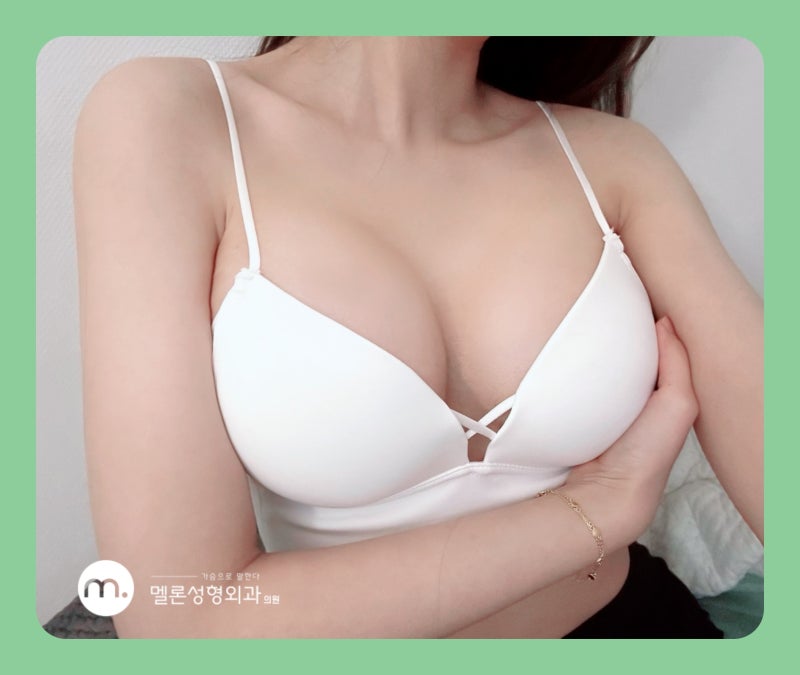
Between dual plane and subfascial, there is no universally superior method.
The best choice is a customized design that considers all your conditions, including body type, amount of breast tissue, skin thickness, muscle mass, lifestyle, and desired breast feel. Consulting thoroughly with a specialist about various factors such as your usual activities, sensitivity to recovery, and desired feel and shape is the safest and most satisfying approach.
While online information is a good way to preview surgery, what works for others might not work for you. I hope you trust an accurate diagnosis that carefully examines your body type and conditions, and the skilled hands of an experienced specialist.
Breast augmentation, which makes life more beautiful and confident, is not just about a change in appearance. It is also a process of regaining lost confidence and turning long-held desires into reality.
Isn't truly beautiful plastic surgery about discussing and designing together what kind of life you want to live?



Frequently Asked Questions
What is dual-plane breast augmentation?
Dual-plane breast augmentation is a surgical technique where the upper part of the implant is placed under the muscle and the lower part is placed over the muscle, inserting the implant across two planes. This method is effective in creating a natural line as the thick muscle covers the upper part of the implant.
What are the advantages of subfascial breast augmentation?
Subfascial breast augmentation has the advantage of relatively less pain after surgery and faster recovery because it does not involve touching the muscle. Additionally, it is not affected by pectoral muscle contraction, allowing for a natural and soft feel without implant displacement.
What are the potential disadvantages after dual-plane surgery?
In dual-plane augmentation, because the pectoralis major muscle covers part of the implant, an 'animation' phenomenon can occur where implant movement is felt when the chest muscles are moved significantly. Furthermore, as it involves muscle dissection, initial pain may be greater.
What should be considered during subfascial surgery?
For subfascial augmentation, it is important to note that since the thinner fascia covers the implant compared to the muscle, in individuals with thin skin and tissue, ripples on the implant surface (rippling phenomenon) may be visible, or the edges of the implant may be palpable.
Which method is better, dual-plane or subfascial?
There is no single 'better' method between dual-plane and subfascial breast augmentation. It is most important to consult with a specialist and make a decision after comprehensively considering individual body type, breast tissue volume, skin thickness, muscle mass, lifestyle, and desired breast feel.
Which breast augmentation method is more suitable for people who enjoy exercising?
For those who enjoy exercising or have a lifestyle that involves frequent physical activity, the subfascial method may be more suitable as it is less affected by muscle movement. With subfascial augmentation, implant displacement is not felt even during pectoral muscle contraction.