2026-07-21
Breast Augmentation for Women in Their 20s: Considerations and Tips for One-Time Success Without Revision Surgery
Considering breast augmentation in your 20s? This article covers key considerations, common reasons for revision surgery, a pre-op checklist, lifestyle-matched aftercare, and long-term planning to ensure a successful outcome without the need for reoperation.
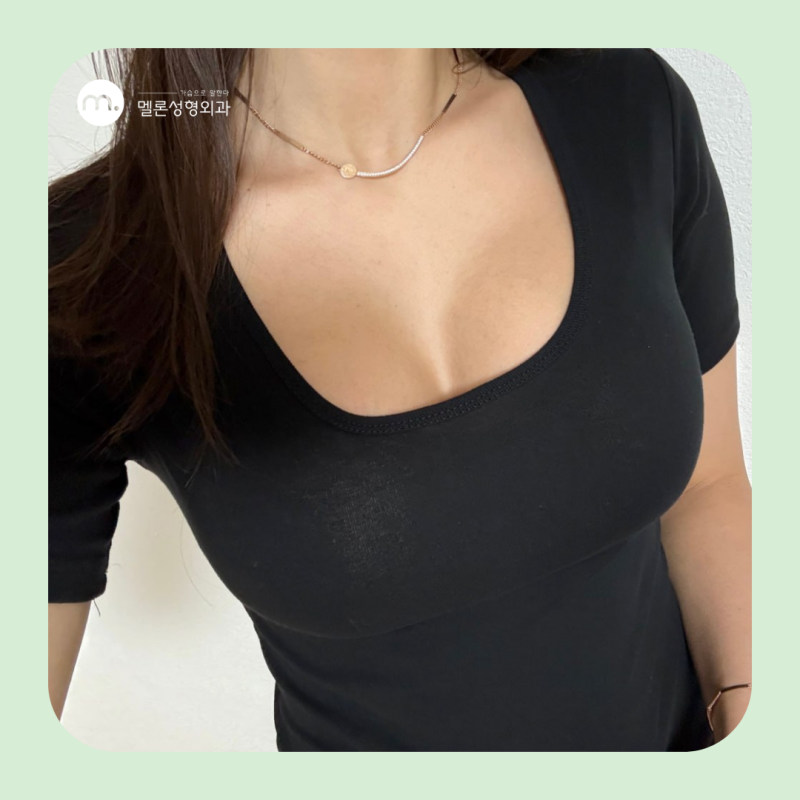
Breast Augmentation for Women in Their 20s: Considerations and Tips for One-Time Success Without Revision Surgery
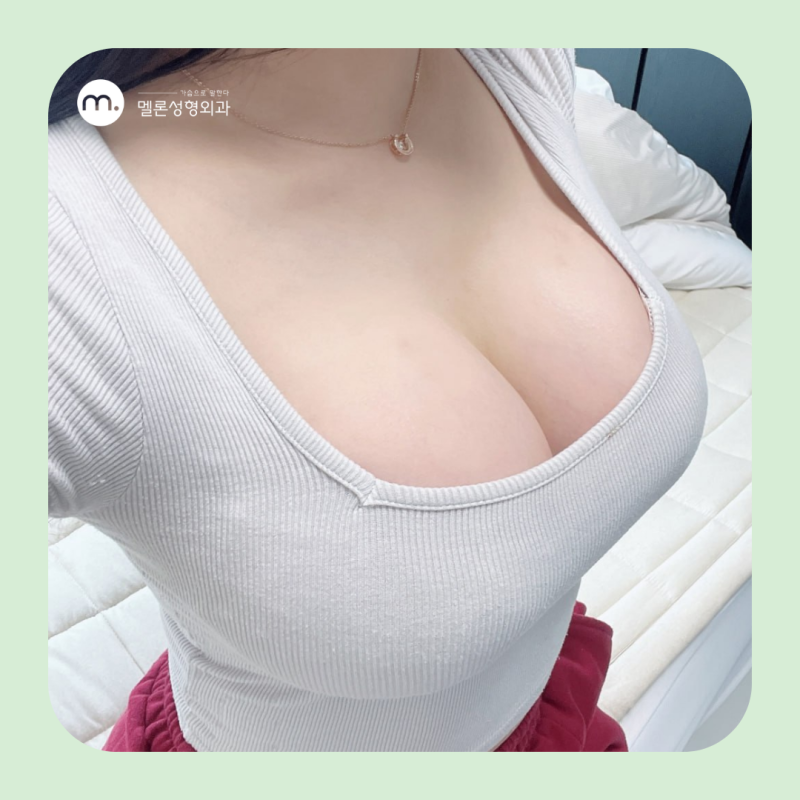
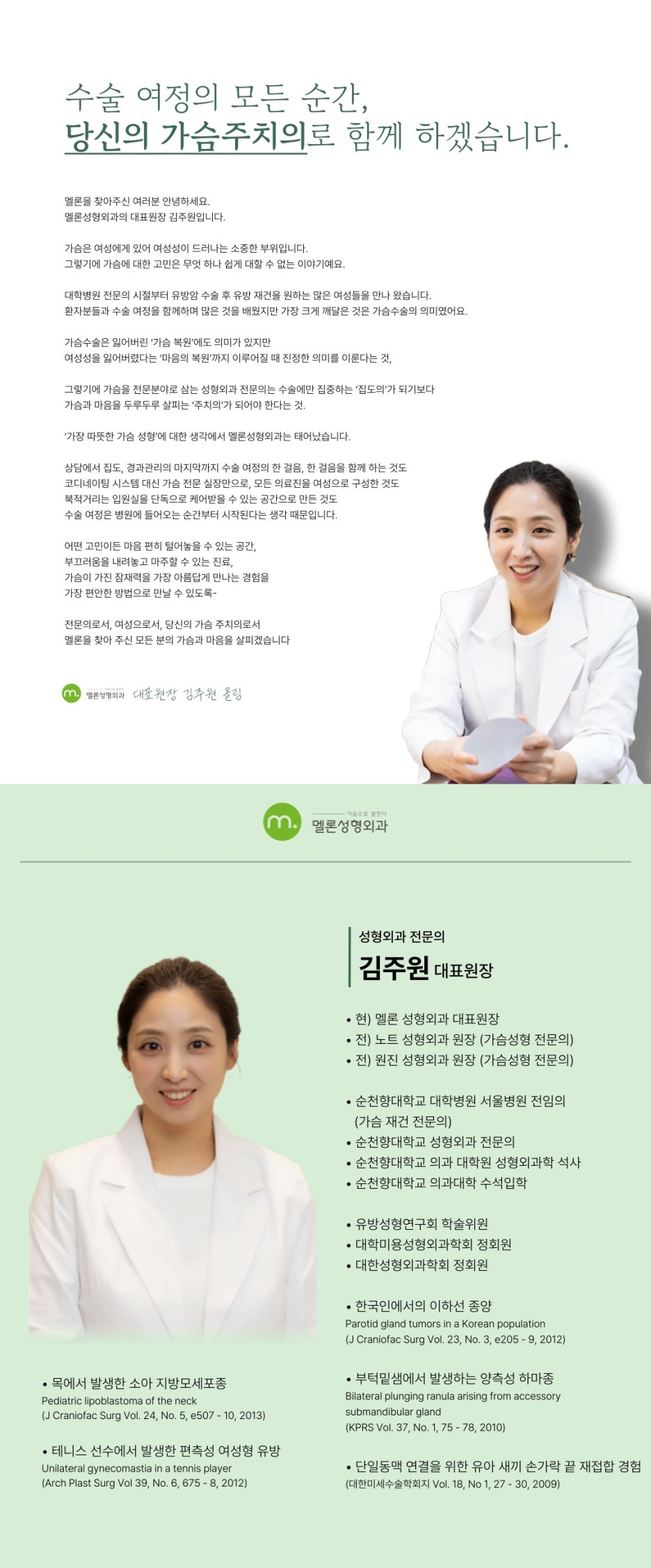
Hello. I'm Dr. Kim Ju-won, the head director of Melon Plastic Surgery, your breast specialist for all breast concerns.
After the college entrance exams and with the start of winter break, inquiries from women in their 20s significantly increase.
This is a time when many are preparing for a new start before entering university, and the desire to transform into a confident version of themselves, like the influencers they see on social media, grows stronger. Therefore, it's also a period when interest in appearance is at its peak.
‘What should I check to succeed in one go without revision surgery?’‘I want to make a choice I won't regret even 10 years from now.’
Today, I'll share a checklist of essential considerations for breast augmentation in your 20s and practical tips for achieving success without the need for revision surgery.
Breast Augmentation for Women in Their 20s | Main Reasons for Revision Surgery
Among the women in their 20s who visit me, some have already undergone surgery elsewhere and are considering revision surgery.
Looking at the reasons for revision surgery, we often find aspects that were overlooked during the initial procedure. The most common reason is choosing a size that doesn't fit one's natural body type. For example, a friend might have chosen a certain CC, and the patient chose the same, but due to being shorter or having narrower shoulders, the proportions don't match.
There are also many cases where rippling occurs in slender individuals who received large implants. This is when implant wrinkles show through the skin, and once it occurs, it's not easy to correct.
The insertion plane is also important. Placing the implant above the muscle allows for faster recovery, but if the skin is thin, the implant might be palpable or visible. Below the muscle offers a more natural look but involves greater initial pain. If the correct plane for one's body type isn't chosen, discomfort may arise later.
Sometimes, the left and right breasts are naturally different in size, but implants of the same size are inserted, leading to persistent asymmetry after surgery. Ultimately, the common thread among reasons for revision surgery is insufficient communication and analysis before the initial procedure.
Breast Augmentation for Women in Their 20s | Pre-Surgery Checklist
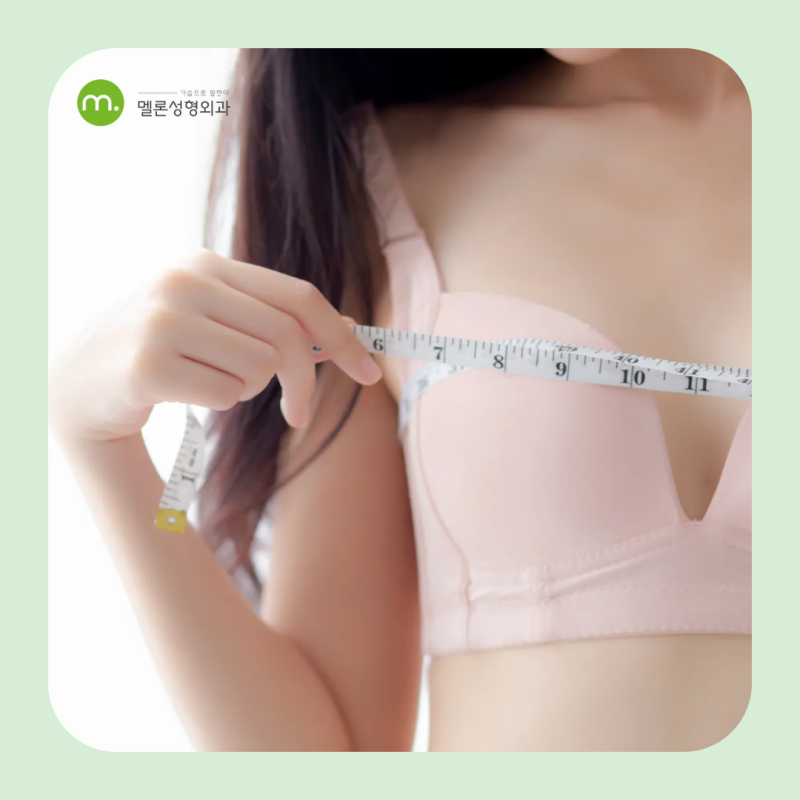
To achieve success in one go without revision surgery, thorough pre-operative checks are essential.
First, it's crucial to accurately assess your body measurements. This includes basic height and weight, as well as shoulder width, chest circumference, the length from the inframammary fold to the shoulder, and any size difference between the left and right breasts. Based on this data, the appropriate implant size can be calculated.
Skin thickness and fat volume are also important. If there's little subcutaneous fat, there's a higher risk of the implant being palpable or rippling occurring. In such cases, submuscular insertion or implants with a high fill rate should be considered.
Chest wall shape also needs to be checked; if you have a pectus excavatum (funnel chest) or a narrow chest, a large implant might look unnatural.
Lifestyle patterns are also a consideration. Whether you exercise frequently, the type of part-time job you have, or the main activities of your club can influence the choice of surgical method. For example, if you're in a swimming or dance club, the recovery period and surgical approach might need to be planned differently.
Long-term plans cannot be overlooked. Whether you plan to become pregnant in a few years or intend to breastfeed are important considerations. An periareolar incision can affect breastfeeding, so if you plan to breastfeed, an axillary or inframammary incision is recommended.
Breast Augmentation for Women in Their 20s | Lifestyle-Matched Aftercare

‘When can I resume exercise or club activities?’‘Will it be noticeable when I'm on a date?’
The 20s are a period of high activity. With classes, clubs, part-time jobs, and dating, managing the recovery period can be a concern.
Light work, such as a cafe part-time job, is possible after about 2 weeks. Convenience store work is also fine. However, jobs that involve lifting heavy objects, like warehouse work or delivery, require at least 4 weeks of recovery. Excessive arm movements can affect implant positioning.
Club activities vary by type. Study groups or bands can be resumed after about 2 weeks, but for vigorous activities like cheerleading or dance, it's best to rest for at least 6 weeks. The same applies to sports clubs like swimming or tennis.
Many also ask about concerns during dates. Hugging or light physical contact is generally fine after about 4 weeks. However, it might feel slightly firm at first, so it will be more comfortable after 3 months when it feels more natural.
Swimsuits or revealing clothes can be worn confidently after about 6 months, as scars will have faded considerably and the breasts will look more natural.
It's best to abstain from alcohol for at least 4 weeks after surgery. Alcohol can cause swelling and delay recovery. Even after this period, avoid excessive drinking if possible.
Smoking, in particular, is one of the few identified causes linked to capsular contracture, a common complication of breast augmentation. It hinders post-surgical recovery and increases the risk of complications, so quitting smoking is highly recommended.
Breast Augmentation for Women in Their 20s | A Choice for Yourself, Thinking 10 Years Ahead
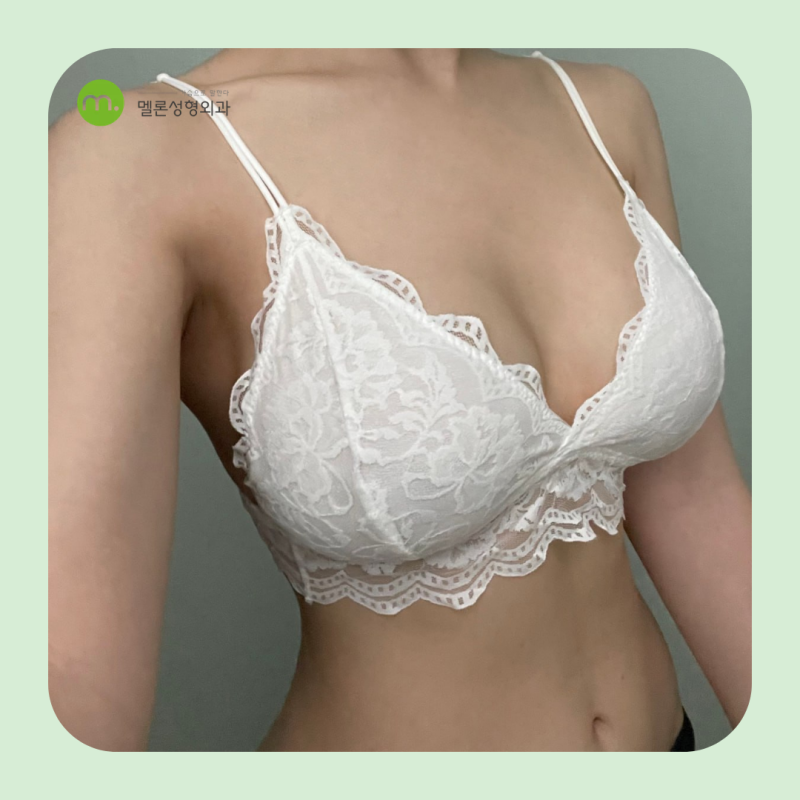
Undergoing surgery in your 20s means choosing breasts that will be with you for a long time. While immediate beauty is important, long-term maintenance is even more crucial.
First, consider implant longevity. Modern implants typically last 10-15 years, but they don't necessarily need to be replaced at that exact time. If there are no issues, they can be maintained, but regular check-ups are essential.
Pregnancy and childbirth are also considerations. During pregnancy, breasts enlarge due to hormonal changes, and pregnancy is possible with implants. However, if you plan to breastfeed, the incision site must be chosen carefully.
Weight changes should also be kept in mind. The 20s are a period when dieting or weight gain often occurs. Drastic weight changes can affect breast shape, so it's good to maintain a stable weight before and after surgery.
Also, be aware of the possibility of revision surgery. Even with a successful initial surgery, sagging or deformation might necessitate revision surgery 10 or 20 years later. This is a natural part of the aging process. It's a wise choice to select a method now that will be advantageous for potential future revision surgery.
At Melon Plastic Surgery, we plan surgeries with a long-term perspective. While immediate beauty is important, our goal is to create results that will satisfy you 10 or 20 years down the line. We also provide step-by-step recovery management through our safe and secure Melon Care program.
Winter break offers ample time and a good environment for recovery. To achieve success in one go without revision surgery, it's important to research thoroughly and make a careful decision.
If you have any breast concerns, feel free to discuss them with us. We are here to help with each individual's breast concerns.
Thank you.
Frequently Asked Questions
What are the main reasons for needing revision surgery?
The main reasons for needing revision surgery include choosing a size that doesn't match one's natural body shape, rippling caused by inserting large implants into a thin body, selecting an insertion position that doesn't suit one's body type, and uncorrected asymmetry between the left and right breasts. These issues often stem from insufficient communication and analysis before the initial surgery.
What should I check before breast augmentation surgery?
Before surgery, you should thoroughly check your exact body measurements (height, weight, shoulder width, bust size, etc.), skin thickness and fat amount, chest wall shape, as well as your lifestyle patterns (exercise, part-time jobs, clubs) and long-term plans (pregnancy, breastfeeding).
When can I resume exercise or club activities after breast augmentation surgery?
Light club activities (study groups, bands) can be resumed approximately 2 weeks after surgery. However, for activities involving vigorous movements like cheerleading, dancing, swimming, or tennis, it is best to rest for at least 6 weeks as they can affect the implant's position.
When can I drink alcohol and smoke after breast augmentation surgery?
It is recommended to abstain from alcohol for at least 4 weeks after surgery. Alcohol can cause swelling and slow down recovery. Smoking is associated with capsular contracture and can hinder recovery and increase the risk of complications, so quitting smoking is advised.
What is the lifespan of breast implants, and do they affect pregnancy or childbirth?
Modern implants typically last about 10-15 years, but they can be maintained longer if there are no issues, with regular check-ups being essential. Pregnancy is possible even with implants, and if you plan to breastfeed, an inframammary or axillary incision is recommended over a periareolar incision.
When is it okay to date or engage in physical intimacy after surgery?
Hugging and light physical intimacy are generally fine after about 4 weeks. However, it might feel a bit firm at first, so it will be more comfortable after 3 months when it softens naturally. You can confidently wear swimsuits or revealing clothes after about 6 months.