2026-07-21
Is Breast Size Genetic? When and How Breasts Grow
Discover the genetic and lifestyle factors influencing breast size, when breasts develop, and daily care tips. Learn how diet, sleep, and exercise impact breast growth and what to do if you're concerned about your breast size.
Is Breast Size Genetic? When and How Breasts Grow
Hello. I'm Dr. Kim Joo-won, the head director of Melon Plastic Surgery, your breast specialist for all breast concerns.
As a medical professional specializing in breasts, I receive many questions about them. In particular, when I meet parents with children in their growth phase, I often get asked if breast size is genetic.
I imagine this thought arises because there might be family members with similar body types. Among adults, some wonder if breast size can be changed through effort.
‘Is breast size determined by genetics?’‘Can the size change with exercise or diet?’
Today, I will discuss the genetic factors of breast size, the growth period, and daily breast care methods. I hope this helps you understand and manage your body.
Breast Size | Is there a genetic influence?

Breast size is influenced by genetics to some extent. According to research, genetic factors account for about 56% of the factors determining breast size.
While it is relatively more influenced by the mother's family history, breast size is largely determined by hormone secretion and body fat distribution, which varies from person to person. Therefore, not everyone will have the same body type as their mother.
Breasts are composed of fatty tissue and glandular tissue, so when body fat decreases, the volume naturally shrinks, and conversely, when body fat increases, they can become larger.
The same applies to hormones involved in development. People whose hormones function well due to the number or responsiveness of estrogen receptors may experience faster breast development regardless of genetics.
Post-natal care also holds some significance. Even relatives who share genetic traits often have different breast shapes or sizes depending on their lifestyle habits and weight management.
Ultimately, genetic factors are a major element in determining breast size, but some changes can be achieved through effort.
Breast Size | When and How Breasts Develop
Breast development typically begins around 10 years of age, during the upper elementary school years. During this period, the area around the nipple becomes prominent, and mammary glands develop internally.
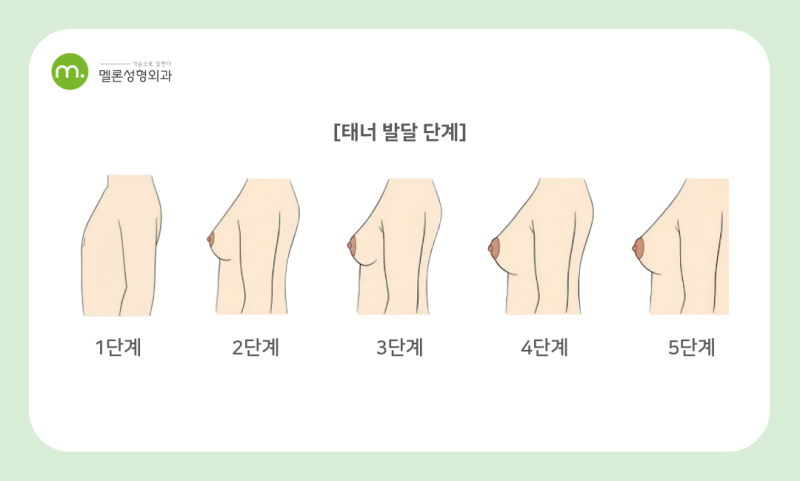
Medically, this is called the ‘Tanner developmental stage’ and is divided into five stages.
• Stage 1 (Pre-puberty) – Mammary gland tissue is undeveloped, and the areola is flat.• Stage 2 (Average 10 years old) – A breast bud forms inside the nipple, and the breast slightly protrudes.• Stage 3 (12-14 years old) – Breast tissue grows, and the shape noticeably changes.• Stage 4 (14-15 years old) – The areola becomes more prominent and darker in color.• Stage 5 (18-20 years old) – The breasts achieve the shape of an adult female.
Breasts develop slowly over approximately 4-6 years after puberty begins, and breast size stabilizes to some extent when the growth plates close. However, the speed and shape of development can vary depending on weight changes, nutritional status, and sleep habits.
During the growth period, ensuring sufficient nutrition and rest to create an environment where the body can grow healthily helps breast development.
Breast Size | Daily Breast Care Tips
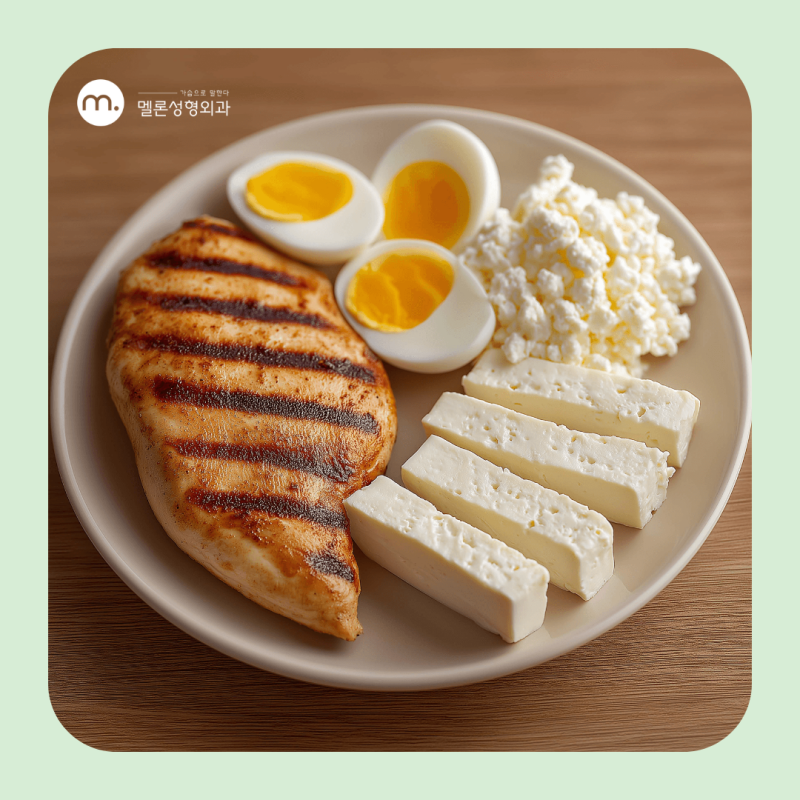
Healthy breast development occurs when hormone secretion, nutrition, and sleep are balanced.
Especially during the growth period, sufficient nutrient intake is important. Foods rich in protein and good fats, such as tofu, eggs, nuts, and salmon, are beneficial.
High-quality sleep and stress management are also essential. Lack of sleep can reduce the secretion of growth hormones and female hormones, and high stress can relatively increase male hormones, potentially slowing down development.
For exercise, activities that stimulate the pectoralis major, such as push-ups, dumbbell flyes, and chest presses, help to smooth the breast line and prevent sagging.
Wearing appropriate underwear is also a crucial element in breast care. Wearing a size that is too tight can impede blood flow, and if the bra's support is weak, Cooper's ligaments can easily stretch. It is necessary to check your size every six months and choose a bra that fits your body type and developmental stage.
Small, consistent habits contribute to healthy breast shape and contour.
Breast Size | What if small breasts are a complex?

Breast size is the result of both genetic factors and lifestyle habits.
However, if you experience discomfort due to size or shape, or feel psychologically self-conscious, it can be helpful to consult with a medical professional rather than worrying alone, and explore surgical improvement options.
At Melon Plastic Surgery, we comprehensively examine your innate body type, skin condition, tissue thickness, and daily habits to find the most natural line that suits each individual.
Please consult your doctor with any breast concerns. We will help you discuss your concerns comfortably and make the best choices.
Thank you.

Frequently Asked Questions
Is breast size influenced by genetics?
Yes, breast size is influenced by genetics to some extent. According to research, genetic factors account for about 56% of the factors determining breast size. However, acquired factors such as hormone secretion and body fat distribution also play an important role.
When do breasts start to develop?
Breast development typically begins around the age of 10, during the upper elementary school years. During this period, the area around the nipple becomes raised, and mammary glands develop inside the body.
What foods are good for breast development?
Yes, foods rich in protein and good fats are helpful for breast development. Tofu, eggs, nuts, and salmon are good examples, and sufficient nutrient intake is especially important during growth spurts.
What exercises are good for breast care?
Yes, exercises that stimulate the pectoralis major muscle are helpful for breast care. Push-ups, dumbbell flies, and chest presses are effective in smoothing the breast line and preventing sagging.
What should I do if I'm concerned about my breast size?
Yes, if you experience discomfort or psychological distress due to breast size or shape, it is better to consult with a medical professional rather than worrying alone. Surgical improvement methods can also be considered.