2026-07-21
How to Maintain Breast Elasticity & Helpful Workout Routine!
Learn how to maintain breast elasticity with lifestyle tips and effective workout routines. Understand why elasticity decreases and what steps you can take to keep your breasts firm.
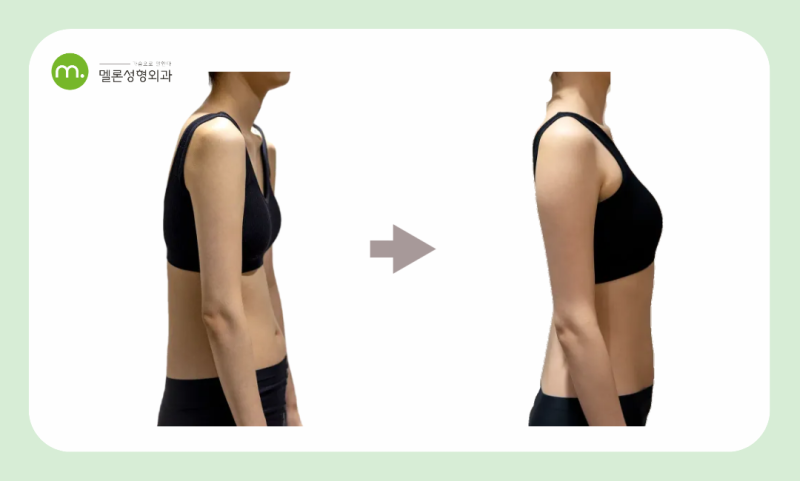
How to Maintain Breast Elasticity & Helpful Workout Routine!

Hello. I'm Dr. Kim Joo-won, chief director of Melon Plastic Surgery, your breast specialist with solutions for beauty.
Why do women care so much about the shape of their breasts?
Perhaps it's because, like the face, breasts are greatly affected by the passage of time and changes in weight.
Breasts also age. So, when a certain age is reached, sagging begins, and the upper volume diminishes. As the elasticity of the skin and muscles decreases, breast elasticity also declines, and breasts that are not what they used to be become noticeable.
Even if you try popular exercises like those to increase elasticity or lift the breasts, you often don't see as much change as you expect. Do exercises really help maintain breast elasticity? Are there better ways to maintain elasticity?
‘Will consistent exercise improve breast elasticity?’‘Can elasticity be restored with massage or creams?’
If your breast elasticity is gradually decreasing, it's more helpful to understand its structure and principles rather than vaguely worrying about it.
Today, I'll explain why breast elasticity decreases and how to maintain it.
Breast Elasticity | Why Does It Gradually Decrease? Understanding the Background of Elasticity Loss
Why does the elasticity of firm breasts decrease?
You might think that as time passes, the skin thins and loses elasticity, but this is because various bodily structures are complexly affected. Understanding the structure of the breast makes it easier to understand the cause of elasticity loss. I'll explain the breast structure from top to bottom.
The outermost layer of the breast is the skin. This skin layer contains elastic fibers called collagen and elastin, which play a role in maintaining skin elasticity. Below the skin layer are fatty tissue and mammary glands (breast tissue) that determine the volume and shape of the breast.
This is the structure of what we commonly know as the ‘breast’. The structure of the breast doesn't end there; below the breast is a large chest muscle called the pectoralis major, which supports and holds up the tissues we call the breast.
All three structures mentioned experience the passage of time.
Let's look at the skin layer first. The skin has the ability to retain moisture, which weakens with age. As collagen synthesis decreases, moisture retention also declines. When the skin becomes dry and loses elasticity, the tissue's restorative power may feel diminished.
What about fat and glandular tissue? In the case of breasts, their shape and form change with life events, including childbirth and breastfeeding, and repeated weight fluctuations. This is because the skin's elastic fibers are stressed during the repeated expansion and contraction of the breasts through childbirth and breastfeeding. As a result, tissue volume can decrease, and sagging can occur.
Finally, there's the influence of gravity and lifestyle habits. Breasts are also under the influence of gravity, experiencing a downward pull. If this is combined with a hunched posture and wearing bras with weak support, the load on the breast tissue increases even further.
The decrease in breast elasticity doesn't happen suddenly but progresses with the passage of time. Therefore, daily habits to maintain elasticity can be powerful.
Breast Elasticity | Lifestyle Factors That Help Maintain Elasticity

‘Will doing a lot of push-ups make my breasts firmer?’‘Does protein intake help with elasticity?’
It's difficult to restore breast elasticity with a single method. However, adjusting lifestyle habits and daily routines can help slow down the decline in elasticity.
The first helpful tip is to avoid drastic weight changes. This is because if weight suddenly decreases, the fat layer shrinks, and the skin can also appear to sag suddenly.
Consistent intake of protein and water also helps. Protein metabolism, an essential process for the growth and maintenance of our body, is related to collagen synthesis, and sufficient water intake is a basic condition for maintaining skin elasticity.
The third is sleep. Sleep time is like recovery time for our body. And the ability to recover is activated by growth hormone. Since the secretion of growth hormone related to physical growth is active at night, sufficient sleep helps restore elasticity.
While exercise can help maintain breast elasticity, the results of exercise are amplified when daily lifestyle habits are consistently maintained.
Breast Elasticity | Workout Routine to Help Maintain Elasticity
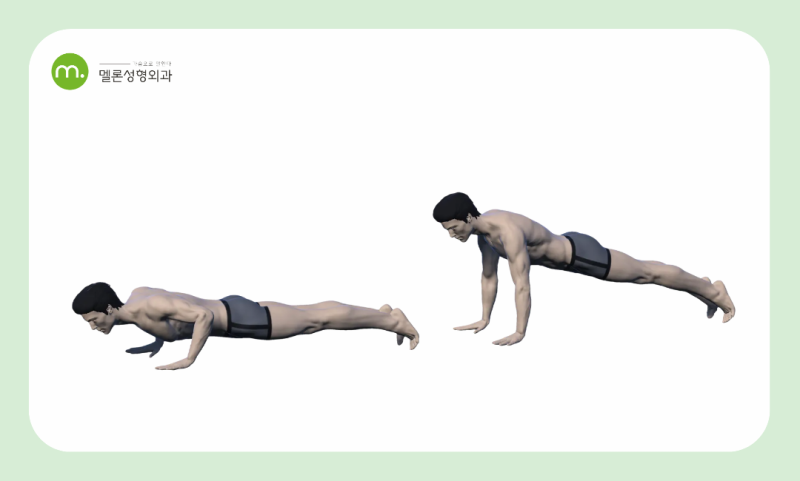
Exercises for restoring breast elasticity begin with muscle strengthening. If the pectoralis major, which supports the breast structure, becomes firm, the foundation supporting the breast can become more stable.
One thing to note is that exercise does not lift the skin itself. When you exercise muscles, they grow, right? Voluminous muscles complement the breast contour and simultaneously help maintain good posture. While increased muscle strength can result in a more defined breast line, it does not mean the skin is lifted. When starting exercise, it's best to begin with light exercises.
Start with wall push-ups or light chest presses. 2-3 sets of 10-15 repetitions per set are appropriate. After about 4-6 weeks, you'll feel increased muscle tension and improved posture. If combined with rowing exercises that strengthen the back muscles, your upper body can straighten, making your breast line appear more defined.
If you've started exercising to maintain breast elasticity, remember that exercise is not for seeing quick changes but a long-term process of complementing the breast's supporting structure.
Breast Elasticity | Things to Be Aware of During Exercise
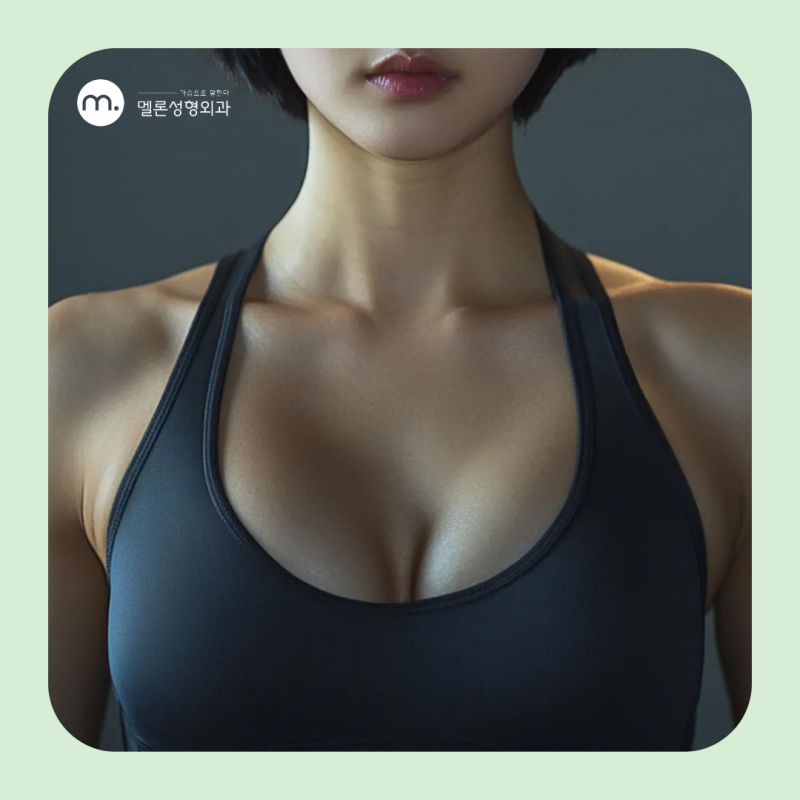
Maintaining and supplementing breast elasticity is possible to some extent with lifestyle management and exercise, but if you desire dramatic changes, surgical approaches can also be a good option. This is because if changes in breast structure have progressed to a certain degree, there are limitations to improvement through exercise.
After accurately assessing the current breast condition, you can determine whether it can be improved with exercise or if surgery is necessary. This process involves communicating with medical staff to comprehensively understand the structure of the rib cage, skin type and thickness, and the condition of breast tissue, and analyzing the situation.
If you desire firm breasts, please speak to your breast specialist. We will accompany you on your breast journey with solutions for beautiful breasts.
Thank you.

Frequently Asked Questions
What are the main causes of sagging breasts?
Breast elasticity decreases due to a combination of factors, including reduced skin elasticity with age, collagen loss, childbirth and breastfeeding, repeated weight changes, gravity, poor posture, and wearing unsupportive bras. Understanding these principles helps maintain elasticity.
Can exercise restore breast elasticity?
Exercise can help stabilize the supporting base of the breasts by strengthening the pectoralis major muscles and improve breast contour. However, exercise does not directly lift the skin itself, and its effects are enhanced when combined with lifestyle improvements.
What lifestyle habits help maintain breast elasticity?
To maintain breast elasticity, it is important to avoid drastic weight changes, consistently consume protein and water, and get enough sleep. These lifestyle habits help maintain skin elasticity and enhance the body's recovery ability, thereby slowing down the loss of elasticity.
What exercises are helpful for improving breast elasticity?
Exercises that strengthen the pectoralis major muscles are helpful for improving breast elasticity. It is recommended to start with wall push-ups or light chest presses, consistently performing 10-15 repetitions per set, for 2-3 sets. Combining these with back muscle strengthening exercises is even more effective.
If breast elasticity loss is severe, can exercise alone improve it?
If changes in breast structure have progressed to a certain extent, it may be difficult to expect dramatic improvement with exercise alone. In such cases, consulting with a medical professional to accurately assess the current breast condition and considering surgical approaches can be a good option.
Does protein intake really help with breast elasticity?
Yes, protein intake can help with breast elasticity. This is because protein metabolism, an essential process for our body's growth and maintenance, is closely related to collagen synthesis, which is crucial for maintaining skin elasticity.