2026-07-21
Accessory Breast Tissue: Should You Have Surgery? Causes and Solutions
Learn about accessory breast tissue (polymastia), its causes, whether surgery is necessary, and treatment options like liposuction and excision.
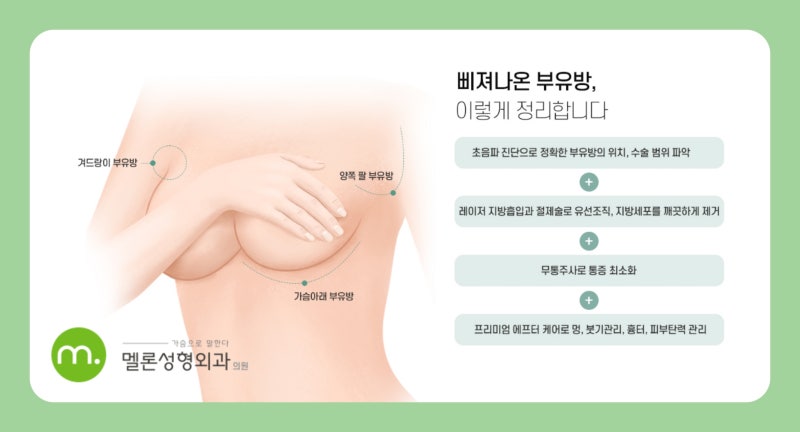
Accessory Breast Tissue: Should You Have Surgery? Causes and Solutions
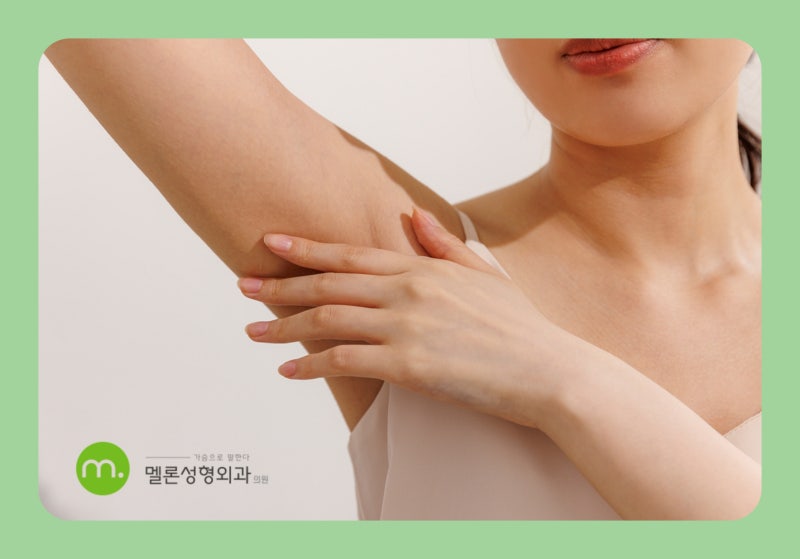
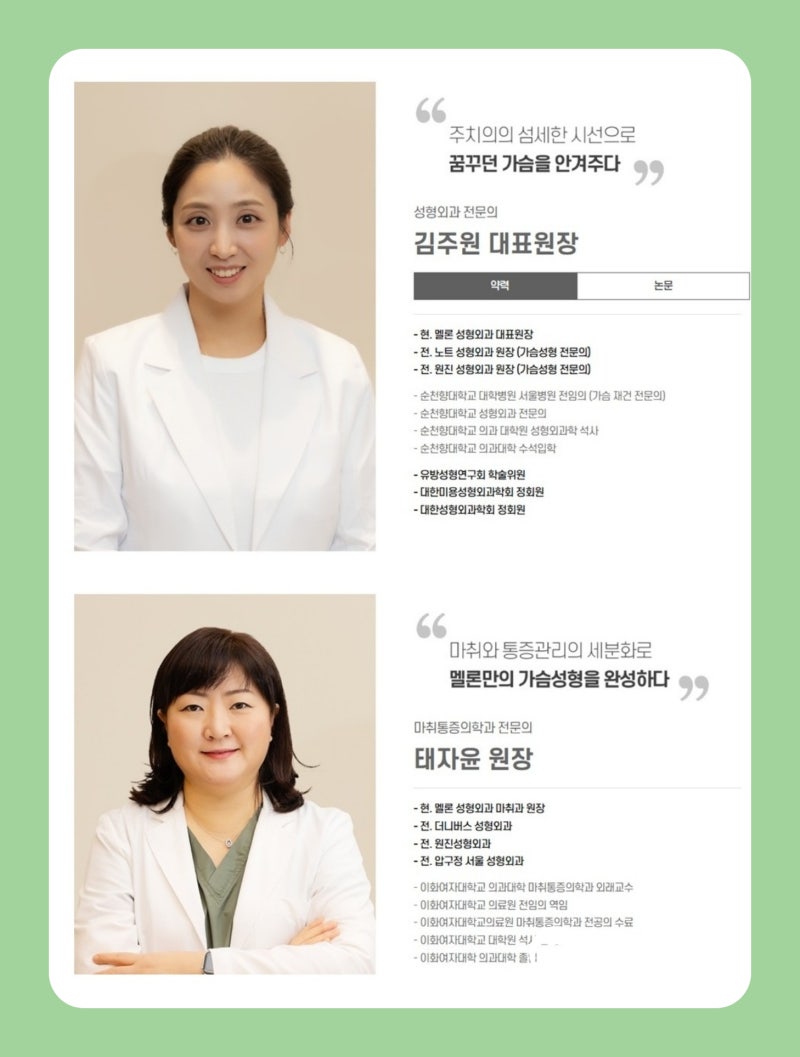
Hello! I'm Kim Joo-won, a board-certified plastic surgeon specializing in breast surgery in Gangnam 😊
Have you ever felt a bulging lump of flesh in your armpit area?
No matter how much you diet, it doesn't go away, and it looks even more prominent when you wear a bra. That's what we're talking about today: ‘accessory breast tissue’.
Accessory breast tissue is often not just excess fat but includes mammary gland tissue, so dieting often can't resolve it.
Today, I'll explain why accessory breast tissue develops, whether it needs to be removed, and what treatment options are available!
Reasons for Accessory Breast Tissue Development

Accessory breast tissue can be present from birth. When we are fetuses, mammary glands develop in various parts of the body, but usually, after birth, they remain only in the chest area, and the rest disappear.
Occasionally, some remain in the armpit or on the side of the breast and develop into accessory breast tissue. Therefore, accessory breast tissue is often already present rather than appearing suddenly.
Accessory breast tissue can become more prominent with hormonal changes. Especially during menstrual cycles, or during pregnancy and childbirth, its size may increase, or pain may be felt. Some people think they've gained weight, but this is because the accessory breast tissue has swollen due to hormonal changes.
Does Accessory Breast Tissue Need to Be Removed?
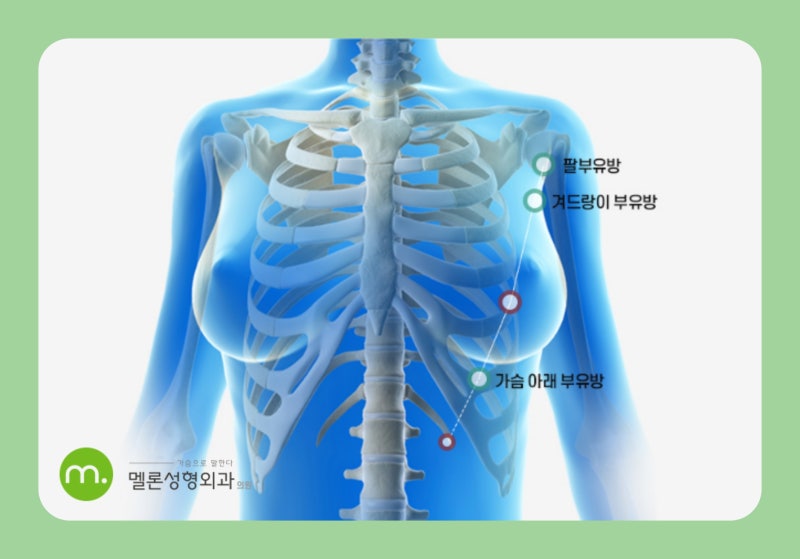
In fact, accessory breast tissue doesn't necessarily have to be removed.
If there's no pain and it doesn't bother you particularly, it's fine to leave it as is.
However, removal is often considered due to cosmetic concerns or discomfort.
First, people consider removal for aesthetic reasons. Many people find it bothersome when the side of their armpit bulges out when wearing sleeveless tops or bikinis in the summer. They feel frustrated because no amount of exercise makes it go away.
Second, there are cases of pain or discomfort. Some experience swelling or pain in the accessory breast tissue before menstruation, and rarely, some are surprised when breast milk comes out of the accessory breast tissue after pregnancy. In some cases, people want removal due to pain caused by the accessory breast tissue being pressed when wearing a bra.
Third, there are concerns about its impact on health. While accessory breast tissue itself rarely becomes cancerous, it contains mammary gland tissue, so surgery is sometimes considered to eliminate the possibility of health issues.
How to Remove Accessory Breast Tissue
There are two main methods for removing accessory breast tissue:
Liposuction and excision, each with its own advantages and disadvantages.
Liposuction, as the name suggests, only removes fat. If the accessory breast tissue is small and contains a lot of fat, liposuction can be sufficient. Many people choose this option because it leaves almost no scars and recovery is relatively quick. However, if it contains a lot of mammary gland tissue, complete removal might be difficult with liposuction alone.
Excision is a surgical procedure to cut out the accessory breast tissue. If the accessory breast tissue contains mammary gland tissue, excision may be necessary. It's usually performed under local or conscious sedation, but if it's large or involves deep tissue, general anesthesia might be required. Excision can completely remove the accessory breast tissue, eliminating concerns about recurrence, but it's important to consider that a scar may remain.
Who Is Recommended for Accessory Breast Tissue Removal?
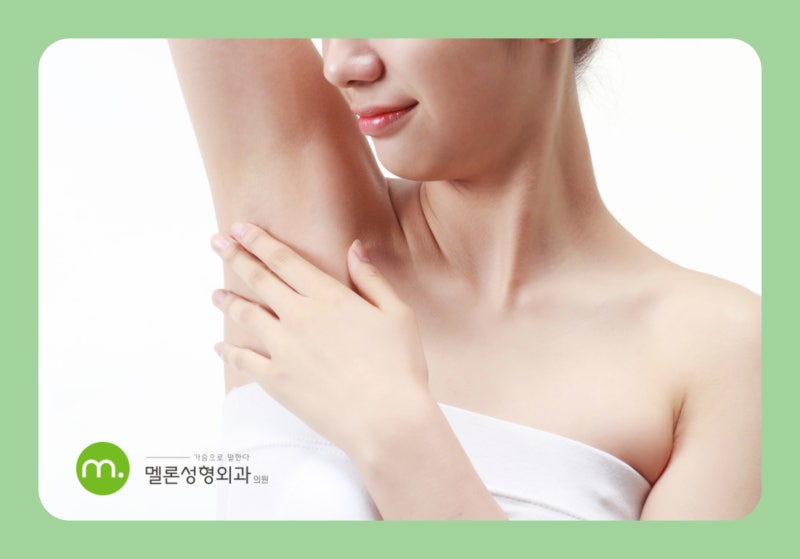
Those who are bothered by a bulge in their armpit when wearing clothes.
Those who experience discomfort when the accessory breast tissue is pressed while wearing a bra.
Those who suffer from swelling and pain in the accessory breast tissue before and after menstruation.
Those whose accessory breast tissue grows larger or whose pain worsens after pregnancy and childbirth.
Those who want to remove it proactively due to health concerns.
If you're wondering if surgery is right for you, it's best to consult with a specialist.
It's most important to get an accurate diagnosis first, determining whether it's simple fat or accessory breast tissue containing mammary gland tissue, and then choose the treatment method that's right for you.
Accessory breast tissue is a concern for more people than one might think. This is because it's often not just a simple fat lump but includes mammary gland tissue, which cannot be resolved through exercise or diet.
While it's not mandatory to remove it, if you're concerned for cosmetic reasons or discomfort, you might consider surgery. There are two methods for accessory breast tissue surgery, liposuction and excision, so it's best to consult with a specialist and choose the one that suits your condition.
I hope this information was helpful to those concerned about accessory breast tissue.
Thank you for reading this long article!
This was Kim Joo-won, a board-certified plastic surgeon 😊
Frequently Asked Questions
Why do accessory breasts develop?
Accessory breasts often develop when mammary glands that formed in various parts of the body during the fetal stage do not disappear after birth, except for the chest area, and remain and develop in the armpit or side of the breast. They can become more prominent with hormonal changes.
Do accessory breasts always need to be removed?
No, they do not necessarily have to be removed. If there is no pain and they are not particularly bothersome, it is fine to leave them as they are, but if there are cosmetic concerns, pain, or discomfort, removal can be considered.
What are the surgical methods for accessory breast removal?
There are two main methods for accessory breast removal: liposuction and excision. If the accessory breast is mostly fatty and small, liposuction can be considered; if it contains a significant amount of glandular tissue, excision may be considered.
What is the difference between liposuction and excision?
Liposuction is suitable for accessory breasts that are primarily fatty, resulting in smaller scars and faster recovery. Excision, on the other hand, can completely remove accessory breasts including glandular tissue, but may leave a scar.
Can accessory breasts recur after surgery?
If accessory breasts are completely removed by excision, there is no concern about recurrence. However, if an accessory breast containing a lot of glandular tissue is removed only by liposuction, it may not be completely removed, and there could be a possibility of recurrence.
Who is recommended for accessory breast removal surgery?
It is recommended for those who are bothered by armpit bulges when wearing clothes, experience discomfort when wearing a bra, have pain before or after menstruation, find them growing or painful after pregnancy, or wish to remove them preemptively due to health concerns.