2026-07-21
An Anesthesiologist Must Be Present for Breast Augmentation!
Breast augmentation requires a resident anesthesiologist for patient safety. Melon Plastic Surgery prioritizes safety with a comprehensive care system, including expert collaboration, advanced equipment, and personalized recovery.

An Anesthesiologist Must Be Present for Breast Augmentation!
We speak through breasts. This is Melon Plastic Surgery.
For women, breasts are a symbol of femininity and a crucial factor in the balance of their body line. Therefore, if breasts are somewhat underdeveloped or have lost elasticity and sag, many seek to resolve this through augmentation surgery.
In the past, the focus was solely on size, but now, the preference is to design a look that is as natural and not excessive as possible, considering the body shape.
While it's important to consider how satisfied one will be with the results and the cost involved, the most crucial priority is safety. Therefore, it is essential to confirm that a board-certified anesthesiologist, who can safely guide the breast augmentation anesthesia process, is always present.
<Melon Breast Plastic Surgery: Speaking Through Breasts>
‘Check Melon's Reassuring Anesthesia Points to Alleviate Anesthesia Concerns’
We understand that this is a fundamental requirement for safety. That's why Melon has established the Melon Care System to ensure both physical safety and peace of mind, delivering optimal results through thorough implementation and management.
While the ultimate goal of plastic surgery is to achieve external beauty, it's crucial to avoid becoming unnatural or experiencing problems like infection, inflammation, or capsular contracture due to implants after the procedure. Therefore, from consultation to examination, surgery, and recovery, medical staff from both fields—the lead surgeon and the anesthesiologist—work together. We alleviate fears and potential anxieties about surgery through three reassuring anesthesia points and Melon's specialized anesthesia and pain management system.
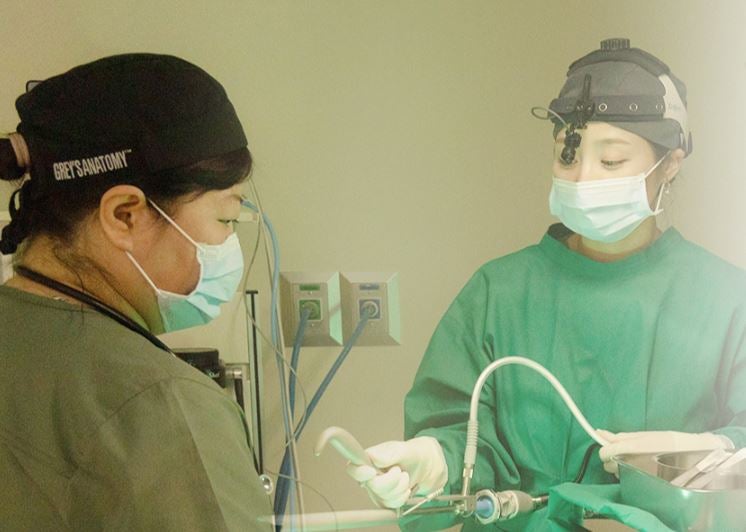
1) Before surgery, the breast surgeon and anesthesiologist collaborate to check the patient's overall condition and decide on the anesthesia plan. During surgery, the anesthesiologist directly monitors the patient's pulse, respiration, and blood pressure in real-time. After surgery, the anesthesiologist remains involved in all processes, including close care until the patient regains consciousness.
2) With a resident anesthesiologist participating in all stages of the surgery, your condition is monitored threefold by your surgeon, medical staff, and anesthesiologist, ensuring your peace of mind.
3) An emergency system is in place, equipped with the latest anesthesia machines, defibrillators, and various emergency medications. Safety is meticulously managed, including infection control through sterilization and disinfection.
<Custom Design After Safety>
Once all the necessary conditions to ensure your safety, which should be the top priority, are met, the next step is to choose the implant that best suits you. Simply increasing volume is an outdated approach; nowadays, it's common to aim for a soft, flexible feel and movement that is indistinguishable from natural breasts, along with a size appropriate for your body type.
You can choose from various types of implants depending on your desired size and shape, and the surgical method is also applied differently based on your body's characteristics, which not only determines the outcome of breast augmentation but also influences future scarring depending on the direction of the incision.
This depends on the medical team's experience and clinical expertise, as well as their understanding of the human body. The availability of equipment that can accurately confirm these aspects during the examination process also plays a role.

<Breast Augmentation - Aesthetics and Safety Simultaneously>
If you achieve everything—a plump and elastic shape, natural movement, and a soft, real-like touch—but are left with a prominent scar near your breasts, it's difficult to call it a successful surgery.
Furthermore, you must be prepared for cases where the implant moves or is damaged after surgery, requiring regular check-ups.
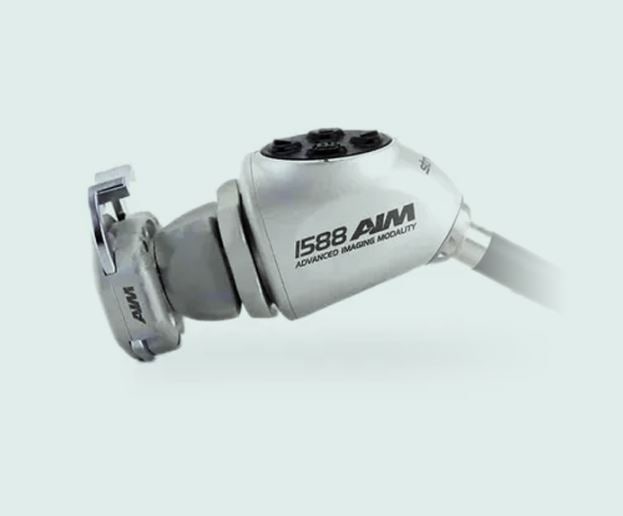
Scars depend on the incision method and scope. Our breast surgeon, who speaks through breasts, has adopted the latest Stryker 1588 endoscopic equipment, dedicating all efforts to minimize scars through micro-dissection and minimal incisions. Additionally, a separate care system is operated to alleviate post-operative pain and aid in rapid recovery.
1. Pain reduction with pain-free injections
2. Personalized prescriptions and care to prevent post-operative issues such as capsular contracture and inflammation
3. Continuous follow-up management to check for implant damage, hematoma, and inflammation
4. Eight types of recovery care to alleviate swelling and bruising, restore natural feel and elasticity, and strengthen skin regeneration in the scar area
By systematically planning and managing all processes from start to finish, we ensure a successful experience in both safety and aesthetics.
Breast surgery isn't over just because the shape looks beautiful.
To maintain healthy function and ensure satisfactory results continue, close communication with the medical team is essential. Therefore, if systematic management, the latest equipment, the reliable skills of the medical team, and the collaboration of a board-certified anesthesiologist for safety are combined, anyone can achieve the beautiful and feminine breasts they desire.


Frequently Asked Questions
Why is a resident anesthesiologist important during breast augmentation?
Yes, a resident anesthesiologist is essential for patient safety during breast augmentation. The anesthesiologist checks the patient's overall condition before surgery, monitors pulse, respiration, and blood pressure in real-time during surgery, and provides close care until the patient regains consciousness after surgery, ensuring a safe surgical process.
What safety systems does Melon Plastic Surgery have in place for breast augmentation?
Melon Plastic Surgery prioritizes safety through its Melon Care System. Safety is meticulously managed through collaboration between the anesthesiologist and breast surgeon, establishment of emergency systems including the latest anesthesia machines and defibrillators, infection control through sterilization and disinfection, and real-time monitoring of the patient's condition during surgery.
How is pain management and recovery care handled after breast augmentation?
Yes, Melon Plastic Surgery operates a care system for pain reduction and rapid recovery after surgery. We provide pain-free injections to reduce pain, personalized prescriptions to prevent capsular contracture and inflammation, continuous follow-up management to check for implant damage, and eight types of recovery care to alleviate swelling, reduce bruising, restore natural feel, and enhance skin regeneration.
What are the criteria for choosing breast implants?
When choosing implants, it's important to consider natural feel and movement, as well as a size appropriate for your body type, rather than simply increasing volume. Various types of implants and surgical methods can be applied depending on your desired size, shape, and body characteristics, and the medical team's experience and understanding of the human body are also important factors.
How is scar management performed after breast augmentation?
Yes, Melon Plastic Surgery strives to minimize scars. We focus on reducing scars through micro-dissection and minimal incisions by adopting the latest Stryker 1588 endoscopic equipment. Since scars depend on the incision method and scope, the medical team's proficiency is crucial.