2026-07-21
Before Breast Surgery, Let's Learn About Breast Terminology!
Before breast surgery, understanding common breast terminology is crucial. This guide explains terms like 'pointed breasts,' 'pigeon chest,' 'funnel chest,' 'rocket launch breasts,' 'melon/cucumber breasts,' 'rice bowl breasts,' and the 'UU' and 'OO' shapes, helping you prepare for consultation.
Before Breast Surgery, Let's Learn About Breast Terminology!
Hello everyone, this is Melon Plastic Surgery, your breast specialist.
Today, we've prepared something for breast surgery beginners. We're going to explain the breast terminology that 'insiders' use!

For those planning breast augmentation, the first thing they'll look for is a breast shape that they like and desire. However, when you search online, you'll find many new terms related to breasts that are difficult to understand clearly, even if you know they refer to breasts.
Pointed Breasts (Kkokkal-kon Breasts)
This refers to breasts that protrude forward like a 'Kkokkal-kon' (a cone-shaped snack). The most common term for such breasts is ‘pointed breasts’. ‘Conical breasts’ and ‘constricted breasts’, often seen on hospital websites or blogs, mean the same thing.
-Characteristics of Pointed Breasts
- Breast tissue concentrated in the center.
- Small breast width.
So, how can congenital pointed breasts be corrected to look beautiful? While it varies by case, methods include shaping with implants or manipulating the breast pocket space to create the desired breast shape.
Pigeon Chest and Funnel Chest
Pigeon chest and funnel chest are distinguished by whether the rib cage protrudes or is sunken. A protruding rib cage is called a pigeon chest, while a concave or sunken rib cage is called a funnel chest. Generally, there are more people with a pigeon chest than a funnel chest, and the degree of protrusion or indentation varies from person to person. Many people only learn they have a pigeon chest or funnel chest after a consultation.
So, which is more difficult to operate on? Funnel chest. Because the rib cage is concave, there's a possibility that the implant might shift towards the concave center. This could make the cleavage appear too close, requiring extra caution. Therefore, consultation is crucial for funnel chests. Finding an appropriate design and surgical method tailored to the breast shape leads to greater satisfaction.
-Tips for Funnel Chest Augmentation (Good to Know)
- Longer period of wearing compression garments.
- Requires meticulous post-operative care.
- Choose a hospital that aligns with you and makes you feel comfortable.
A pigeon chest has a protruding rib cage, causing the breasts to be slightly separated, so the nipples often point sideways rather than forward.
-Tips for Pigeon Chest Augmentation (Good to Know)
- Choose larger or firmer implants.
- Requires meticulous post-operative care.
- Wear supportive, well-fitting bras rather than loose ones.
- The process of bringing the breasts together takes a long time.
Rocket Launch Breasts
‘Rocket launch’ doesn't mean it's related to space; it means the breasts protrude sharply forward like a launching rocket. The less swelling there is after surgery, the more firm and protruding the breasts feel.
Melon Breasts, Cucumber Breasts
This refers to breasts that are more elongated than round, meaning they hang long downwards like a melon or cucumber. This shape can appear after breastfeeding due to breast sagging, but it can also be a natural shape. It's usually difficult to properly assess one's breast shape when there's not much breast volume. However, after childbirth and breastfeeding, the breasts enlarge, and that's when their true shape becomes apparent. Therefore, many people concerned about melon or cucumber breasts attribute it to sagging after breastfeeding rather than considering it a natural shape.
Rice Bowl Breasts
This is one of the terms used to describe breasts after surgery, referring to a round, hard-looking shape, like an overturned rice bowl. It's one of the most undesirable breast shapes because the implant's form can be visible, making it obvious that surgery was performed. After surgery, the skin tissue envelops the implant. If a person has thin skin, the enveloping tissue will also be thin. Naturally, the implant might be more noticeable compared to someone with thicker skin. However, this isn't the case for all. Since a more natural method can be found to suit your body condition, it's best to have a consultation with a specialist.
UU, OO
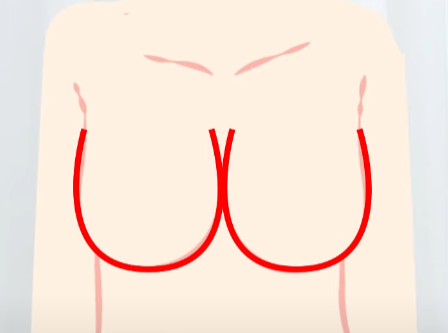
UU and OO are alphabetical letters used to describe breast shapes.
-UU Breast Characteristics
- Most preferred shape
- Slightly saggy like natural breasts
- Flows naturally from the upper breast downwards
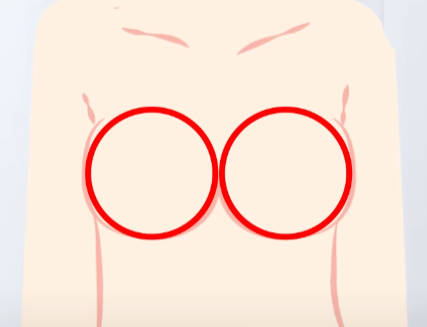
-OO Breast Characteristics
- Large, round shape, often avoided because it can look obviously surgically enhanced.
- Shape that occurs when the implant is too large or too high for the body.
- Shape caused by capsular contracture.
For the UU shape mentioned, a detailed examination of the breast condition, including the breast pocket and rib cage size, is necessary to determine if the UU shape is achievable. During consultation, showing desired breast photos or explaining your preferred shape can lead to a more detailed discussion.
Have the confusing breast shape terms become a bit clearer now?! There are many terms for breast shapes and various surgical methods to achieve them, but the most important thing is your current breast condition. While searching can provide information, it's not tailored to you, so visiting a specialist to confirm your condition is the easiest and clearest method. Feel free to ask plenty of questions about any aspect, and if you find the most beautiful shape possible for your condition, your satisfaction will increase.





Frequently Asked Questions
What kind of shape do ‘pointed breasts’ refer to?
‘Pointed breasts’ refer to a shape where the breasts protrude forward like a 'Kkokkal-kon' snack. It is generally used interchangeably with terms like ‘conical breasts’ or ‘constricted breasts’. It is characterized by breast tissue concentrated in the center and a small breast width.
What is the difference between a ‘pigeon chest’ and a ‘funnel chest’?
‘Pigeon chest’ and ‘funnel chest’ are distinguished by the shape of the rib cage. A ‘pigeon chest’ refers to a protruding rib cage, while a ‘funnel chest’ refers to a rib cage that is concave or sunken. Funnel chests require more careful attention during surgery as there is a possibility of the implant shifting towards the center.
Are there any special precautions for ‘funnel chest’ surgery?
Yes, ‘funnel chest’ surgery requires special caution. Because the rib cage is concave, there is a possibility that the implant may shift towards the center, making the cleavage appear too close. Therefore, it is important to find an appropriate design and surgical method tailored to the breast shape, and a longer period of wearing compression garments and meticulous post-operative care are necessary.
What is the difference between ‘UU breasts’ and ‘OO breasts’?
‘UU breasts’ are the most preferred shape, appearing slightly saggy like natural breasts and flowing naturally from the upper breast downwards. In contrast, ‘OO breasts’ are large and round, often avoided because they can look obviously surgically enhanced, and can occur when the implant is too large or too high for the body, or due to capsular contracture.
Why is it important to consult with a specialist before breast surgery?
Yes, consulting with a specialist is paramount. Information found online is general and not tailored to an individual's breast condition. By accurately confirming your breast condition with a specialist and thoroughly discussing what shapes are possible and which surgical methods are suitable, you can achieve highly satisfactory results.