2026-07-21
Can Male Gynecomastia Be Solved with Diet or Chest Exercises?
Learn about male gynecomastia, its causes, and effective solutions. Discover the difference between true and pseudo-gynecomastia and when surgery might be an option.
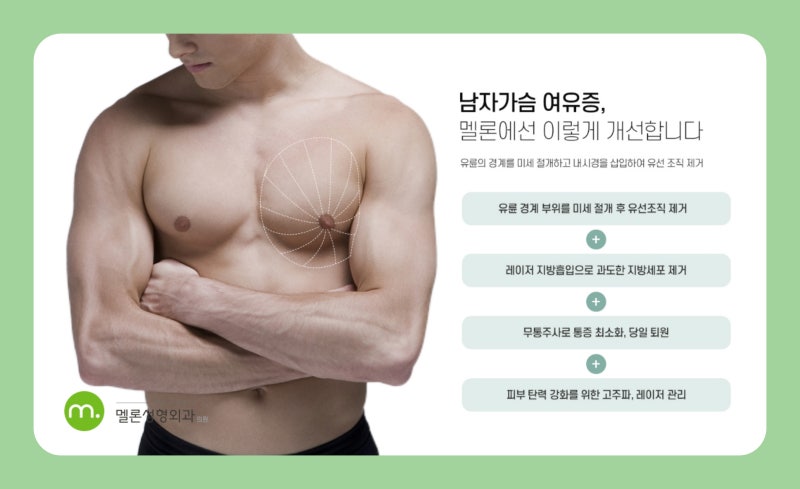
Can Male Gynecomastia Be Solved with Diet or Chest Exercises?

Hello~ I'm Joo-won Kim, a board-certified plastic surgeon performing breast surgeries in Gangnam 😊
Gentlemen, do you ever feel self-conscious about your chest not being firm, but rather protruding like a woman's? If you've felt uncomfortable because your chest seems prominent even when wearing clothes, you've probably considered male ‘gynecomastia’.
If you've wondered whether your unusually prominent chest is simply due to accumulated body fat or a lack of exercise,
I hope today's article provides you with some helpful information.
What is Gynecomastia?

Male gynecomastia refers to the phenomenon where a man's chest area develops like a woman's. While fat can accumulate in the chest when you gain weight, gynecomastia is not just simple fat accumulation but rather caused by the development of glandular tissue.
Because it's due to glandular tissue development, it cannot be resolved through diet or exercise, which can be a significant concern for men. Why does gynecomastia occur? Let's gradually explore the causes!
Reasons for Gynecomastia

There are various causes of gynecomastia, but the biggest one is hormonal imbalance.
Our bodies contain both male hormones (testosterone) and female hormones (estrogen). If male hormones decrease or female hormones relatively increase, gynecomastia can occur. Especially during puberty, hormonal balance can temporarily be disrupted, leading to breast enlargement, but these cases usually resolve naturally over time. However, if gynecomastia persists into adulthood, it's highly likely that a hormonal imbalance has continued.
Other causes include the consumption of certain foods or medications. Foods high in female hormones (like pomegranate juice) or some steroids, antidepressants, and high blood pressure medications can decrease male hormones or increase female hormones.
Alcohol consumption can also play a role; excessive drinking can hinder proper hormone metabolism in the liver, leading to gynecomastia. Severe obesity is another factor. Adipose tissue can produce more female hormones, leading to breast enlargement.
Difference Between True Gynecomastia and Pseudo-Gynecomastia
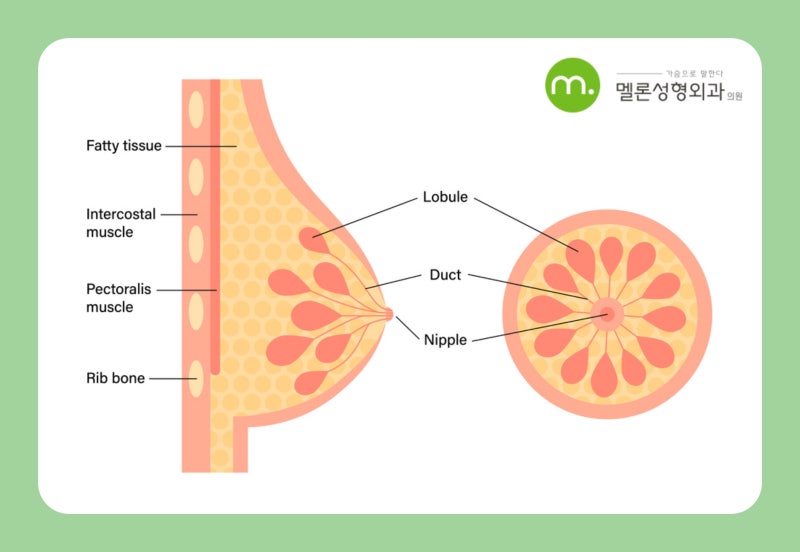
Not all gynecomastia is the same. There is ‘true gynecomastia’, which results from the actual development of glandular tissue, and ‘pseudo-gynecomastia’, which simply looks like sagging breasts due to excessive fat.
In true gynecomastia, you might feel firm tissue when touching the chest area, whereas pseudo-gynecomastia is caused by fat in the chest and can be somewhat resolved with body fat reduction. However, it's difficult to distinguish between the two on your own, so visiting a clinic for an examination is the most accurate approach.
How to Resolve Gynecomastia

The resolution of gynecomastia can vary depending on its cause. If it's pubertal gynecomastia, it usually disappears naturally over time, so you don't need to worry too much. However, if gynecomastia persists into adulthood, you can try changing your lifestyle habits before considering surgery.
First, reducing body fat is fundamental. If it's pseudo-gynecomastia, weight loss alone can significantly change the shape of your chest. Therefore, it's recommended to maintain a high-protein, low-carbohydrate diet combined with exercise. Combining strength training to target the chest area with cardiovascular exercise is particularly effective. Limiting alcohol and avoiding processed foods or sugary foods can also be very helpful.
If hormonal imbalance is the cause, medication from a doctor is another option. Taking medication to regulate hormone levels can alleviate symptoms. However, please remember that prescription medications must always be taken after consulting with a specialist.
If these methods have been tried without effect, then surgery can be considered.
How is Gynecomastia Surgery Performed?
If gynecomastia is severe enough to cause discomfort in daily life, surgery can be considered. Especially in cases of true gynecomastia with developed glandular tissue, simple exercise or diet control is difficult to resolve, making surgery the most effective method.
Surgery is usually performed under local or sedation anesthesia and takes approximately 30 minutes to 1 hour. The incision is small, made around the areola, so you don't need to worry much about scarring.
After surgery, a compression garment must be worn for a certain period. This helps reduce swelling and also aids in the proper settling of the injured tissue after surgery. For a certain period after surgery, strenuous exercise or intense activities should be avoided. If you are concerned about scars, combining scar ointment or laser treatment can lead to a cleaner recovery.
Don't Worry About Gynecomastia Alone!

Gynecomastia is a problem many men experience, more than you might think. If you're stressed because your chest appears unusually large compared to others, don't worry alone; regain your confidence through a consultation with a specialist.


Frequently Asked Questions
Why do men get gynecomastia?
Male gynecomastia is primarily caused by hormonal imbalance. It can occur when male hormones decrease or female hormones relatively increase, and certain foods, medication use, alcohol consumption, and severe obesity can also be contributing factors.
Can diet or exercise resolve gynecomastia?
No, true gynecomastia, which is caused by the development of glandular tissue, is difficult to resolve with diet or exercise alone. Pseudo-gynecomastia, which is simply fat accumulation, can be improved by reducing body fat, but consultation with a specialist is necessary for an accurate diagnosis.
What is the difference between true gynecomastia and pseudo-gynecomastia?
True gynecomastia occurs due to the development of glandular tissue, whereas pseudo-gynecomastia is simply a case where there is a lot of fat in the chest, making it appear saggy. In true gynecomastia, a firm tissue may be felt when touching the chest.
How is gynecomastia surgery performed?
Gynecomastia surgery usually takes about 30 minutes to 1 hour under local or conscious sedation. It is performed through a small incision around the areola, minimizing concerns about scarring, and after surgery, a compression garment is worn to help reduce swelling and stabilize the tissue.
What are the precautions after gynecomastia surgery?
After surgery, a compression garment must be worn for a certain period, and strenuous exercise or vigorous activities should be avoided. If you are concerned about scars, scar ointment or laser treatment can be used in conjunction to aid recovery.
Is surgery the only way to resolve gynecomastia?
No, not all cases of gynecomastia require surgery. Pubertal gynecomastia can sometimes disappear naturally, and in adults, symptoms can be alleviated through lifestyle changes or medication. Surgery is considered when glandular tissue development is severe.