2026-07-21
Considering Revision Surgery for Rippling After Breast Augmentation?
Rippling is a common side effect of breast augmentation, especially for those with thin skin. This article explores its causes, prevention, and solutions, including revision surgery and fat grafting.

Considering Revision Surgery for Rippling After Breast Augmentation?

For many women considering breast augmentation, one of the biggest concerns is the outcome of the surgery and potential side effects. Among these, rippling is a common complication. Rippling is a phenomenon where the implant wrinkles under the skin or its surface becomes visible, primarily occurring in patients with thin skin or a lean body type. In this post, we will delve into what rippling is, its causes, prevention methods, and solutions if it occurs.
1. What is Rippling?
Rippling refers to the phenomenon where breast implants wrinkle or feel lumpy under the skin. This usually happens when the implant is not adequately covered by tissue or when the implant moves, causing wrinkles on the skin's surface. Rippling can be visible to the eye or felt as a bumpy texture. This phenomenon is more common in individuals with thin skin layers, and its incidence can vary depending on the type and filling method of the implant.
2. Causes of Rippling

Rippling can occur due to various reasons, with the most significant factors being:
2.1 Thin Skin and Tissue
Rippling is particularly common in patients with thin skin or low body fat. If the thickness of the tissue covering the implant is insufficient, the implant will be closer to the skin, increasing the likelihood of its surface being visible or wrinkling. For individuals with a lean body type or minimal breast tissue, careful consideration must be given to implant selection and placement.
2.2 Implant Fill Rate
If an implant is not sufficiently filled, the contents can shift within the implant, making it prone to wrinkling. Saline implants, in particular, frequently exhibit rippling when underfilled. Saline implants have more space for the filling solution to move compared to silicone implants, increasing the chance of wrinkles. In contrast, silicone gel implants are more consistently and firmly filled, resulting in a lower incidence of rippling.
2.3 Implant Placement
When implants are placed between the skin and muscle (subglandular insertion), rippling can occur more easily. If the implant is placed under the muscle (submuscular insertion), it sits deeper and is less close to the skin, reducing the likelihood of rippling. Submuscular insertion helps to better conceal the implant, preventing its surface from showing through the skin.
2.4 Implant Size and Shape
The size and shape of the implant can also affect rippling. Using an excessively large implant can lead to the skin not adequately covering it, increasing the chance of wrinkles. Furthermore, the surface treatment or shape of the implant can influence the incidence of rippling. For example, implants with a textured surface may exhibit less rippling than those with a smooth surface.
3. How to Prevent Rippling

To prevent rippling, several important factors must be considered. It is crucial to approach the process carefully, from pre-surgical consultation to implant selection and insertion method.
3.1 Appropriate Implant Selection
Motiva and Mentor Boost are both advanced implants designed to minimize rippling and provide natural-looking breast augmentation results. These two implants, based on their unique characteristics and technology, offer optimal outcomes tailored to the patient's skin condition and body type.
Motiva implants feature SmoothSilk surface technology, which reduces friction with the skin, allowing for stable results even in patients with thin skin or low body fat. This technology prevents the implant from directly contacting the skin, thereby preventing rippling and maintaining a natural feel.
Mentor Boost implants incorporate a special shell structure and MemoryGel, providing a soft and elastic feel while minimizing rippling. The elastic MemoryGel responds naturally to implant movement, maintaining a stable shape even with thin skin.
Both implants are suitable choices for those who desire natural and stable breast augmentation results while preventing rippling.
3.2 Submuscular Insertion Method
One of the most effective ways to reduce rippling is to insert the implant under the muscle. Submuscular insertion places the implant deeper, reducing the direct contact area between the implant and the skin. This helps prevent the implant from showing through the skin or wrinkling.
3.3 Implant Size Adjustment
It is crucial to choose an implant size that is appropriate for your skin and tissue condition. Using an excessively large implant can increase the likelihood of rippling because the skin may not cover it sufficiently. Therefore, the size should be selected to match the patient's body type and skin thickness.
3.4 Regular Follow-up Care
After surgery, regular follow-up care is important to continuously monitor the condition of the implant. If there are signs of rippling or any abnormalities in implant placement, they can be detected early and appropriate measures can be taken.
4. Solutions for Rippling

If rippling occurs, there are several ways to address it.
4.1 Implant Revision Surgery
In cases of severe rippling, implant replacement may be considered. Replacing the existing implant with one that has a higher fill rate or a silicone gel implant can reduce rippling. Additionally, changing the implant's position to submuscular can minimize the occurrence of rippling.
4.2 Collagen-Generating Treatment
Laser or ultrasound treatments that promote collagen regeneration can increase skin elasticity and help thicken the skin over the implant, thereby alleviating rippling. This strengthens the skin and tissue structure, helping to prevent rippling.
4.3 Fat Grafting
Fat grafting is another method to address rippling. By harvesting fat from the patient's body and injecting it into the breast area, sufficient tissue can be added over the implant to alleviate rippling. This is particularly effective in reinforcing the space between the implant and the skin in cases of thin skin.
However, fat grafting provides a temporary effect. Over time, the transplanted fat can be naturally absorbed and disappear, leading to a decrease in long-term satisfaction as it may not maintain its initial appearance. Melon Plastic Surgery does not recommend this method unless a patient specifically insists on it. Please remember that fat grafting in breast augmentation is a temporary supplement, not a permanent solution.

Rippling after breast augmentation is a problem that can occur when the skin is thin, tissue is insufficient, or the implant is not properly filled. To prevent rippling, it is important to choose an appropriate implant, opt for submuscular insertion, and select an implant size that matches your body type. If rippling does occur, various methods such as revision surgery or collagen treatment can help resolve the issue.
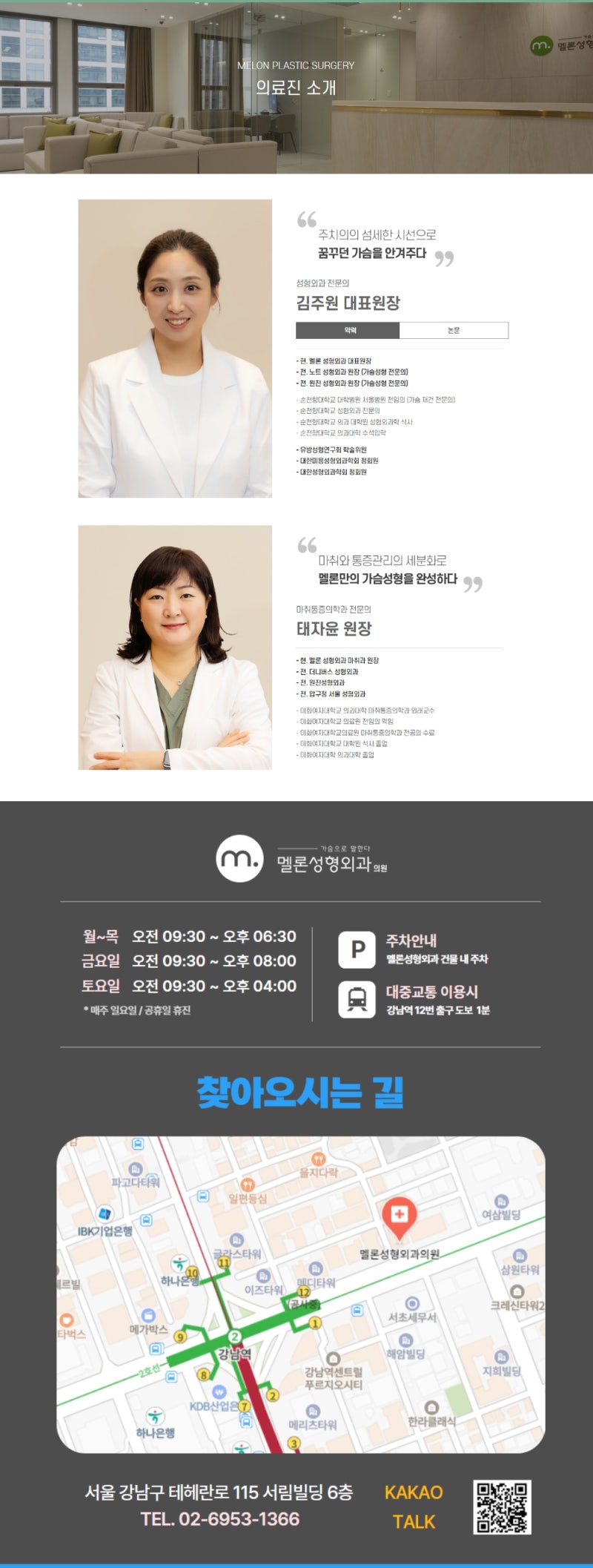
Melon Plastic Surgery provides systematic management and consultation to prevent and resolve rippling after breast augmentation. Dr. Joowon Kim, the lead director, helps patients achieve safe and natural results through customized surgical plans that consider each patient's individual body type and condition. If you are concerned about rippling, consider consulting with Melon Plastic Surgery.





















Considering Revision Surgery for Rippling After Breast Augmentation?
Considering Revision Surgery for Rippling After Breast Augmentation?
Considering Revision Surgery for Rippling After Breast Augmentation?
Considering Revision Surgery for Rippling After Breast Augmentation?
Considering Revision Surgery for Rippling After Breast Augmentation?
Frequently Asked Questions
What is rippling?
Rippling is a phenomenon where breast implants wrinkle or feel lumpy under the skin. It primarily occurs when the implant is not adequately covered by tissue or moves, causing wrinkles on the skin's surface, which can be visible or palpable.
Why does rippling occur?
Rippling occurs due to several reasons. Key causes include thin skin and tissue, low implant fill rates (especially with saline implants), subcutaneous placement of the implant, and the use of excessively large implants.
How can rippling be prevented?
To prevent rippling, proper implant selection is crucial. Consider choosing high-quality implants like Motiva or Mentor Boost and opting for submuscular placement, where the implant is inserted under the muscle. Adjusting implant size to fit your body type and regular follow-up care also help.
How can rippling be resolved if it occurs?
If rippling occurs, revision surgery can be considered. This may involve replacing the implant with one that has a higher fill rate or a silicone gel implant, or changing the implant's position to submuscular. Collagen-stimulating treatments or fat grafting are also potential solutions.
Do Motiva and Mentor Boost implants help prevent rippling?
Yes, Motiva and Mentor Boost implants help minimize rippling. Motiva uses SmoothSilk surface technology to reduce friction, and Mentor Boost maintains a stable shape with its special shell structure and MemoryGel, making them suitable for preventing rippling.
Can fat grafting permanently resolve rippling?
No, fat grafting is a temporary method to alleviate rippling. Grafted fat can naturally be absorbed over time, which may lead to decreased long-term satisfaction. Therefore, it should be understood as a temporary supplement rather than a permanent solution.