2026-07-21
Female Inverted Nipple Clinic - Causes, Step-by-Step Reviews, and Surgery Costs
Inverted nipples can cause aesthetic and functional issues. Learn about causes, diagnosis, treatment options, and post-surgery care for inverted nipples, including surgical correction and combined breast augmentation.
Female Inverted Nipple Clinic - Causes, Step-by-Step Reviews, and Surgery Costs
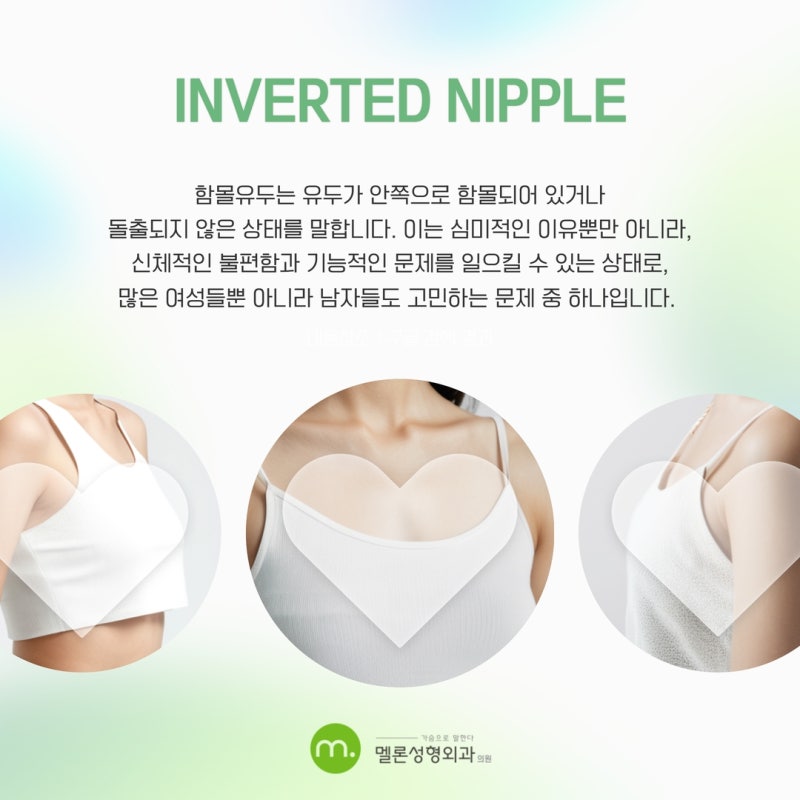
An inverted nipple refers to a condition where the nipple is sunken inward or does not protrude. This is a concern for many women, not only for aesthetic reasons but also because it can cause physical discomfort and functional problems. It can be related to issues such as breastfeeding difficulties and breast health problems, requiring appropriate management and treatment. Today, we will explore the causes, diagnostic methods, treatment options, and post-operative care for inverted nipple surgery.
1. What is an Inverted Nipple?
An inverted nipple is a condition where the nipple is sunken inward or lies flat. While a normal nipple typically protrudes, an inverted nipple retracts in the opposite direction, preventing proper nipple protrusion. This can lead to an asymmetrical appearance of the breast or functional problems.
In mild cases, an inverted nipple may temporarily protrude when stimulated or exposed to cold water, but in severe cases, it often does not protrude with any stimulation.
2. Causes of Inverted Nipples
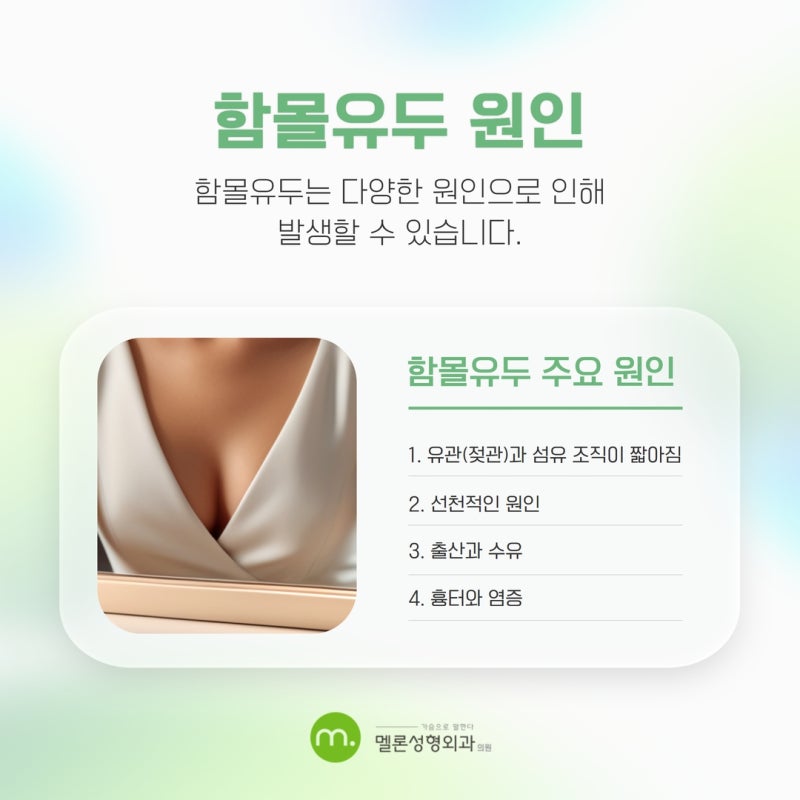
Inverted nipples can occur due to various reasons, generally caused by the shortening or adhesion of fibrous tissue or milk ducts beneath the nipple, which pulls the nipple inward. The main causes are as follows:
2.1 Shortening of Milk Ducts and Fibrous Tissue
The most common cause of inverted nipples is the shortening of milk ducts or fibrous tissue. Milk ducts are channels through which breast milk is transported from the breast to the nipple. If these ducts are short or underdeveloped, the nipple may not protrude normally and become inverted.
2.2 Congenital Causes
Inverted nipples are often congenital. They can occur due to abnormal milk duct length or tissue adhesion during breast development, or if breast development is incomplete, causing the nipple to be pulled inward.
2.3 Childbirth and Breastfeeding
Some women may develop inverted nipples after childbirth or during breastfeeding. Breast tissue changes occur during childbirth and breastfeeding, and if the milk ducts contract or adhere during this process, the nipple can become inverted.
2.4 Scars and Inflammation
Scars and inflammation from breast surgery or injury can also cause inverted nipples. Inflammation can damage breast tissue or cause adhesions, leading to the nipple being pulled inward.
3. Problems Associated with Inverted Nipples
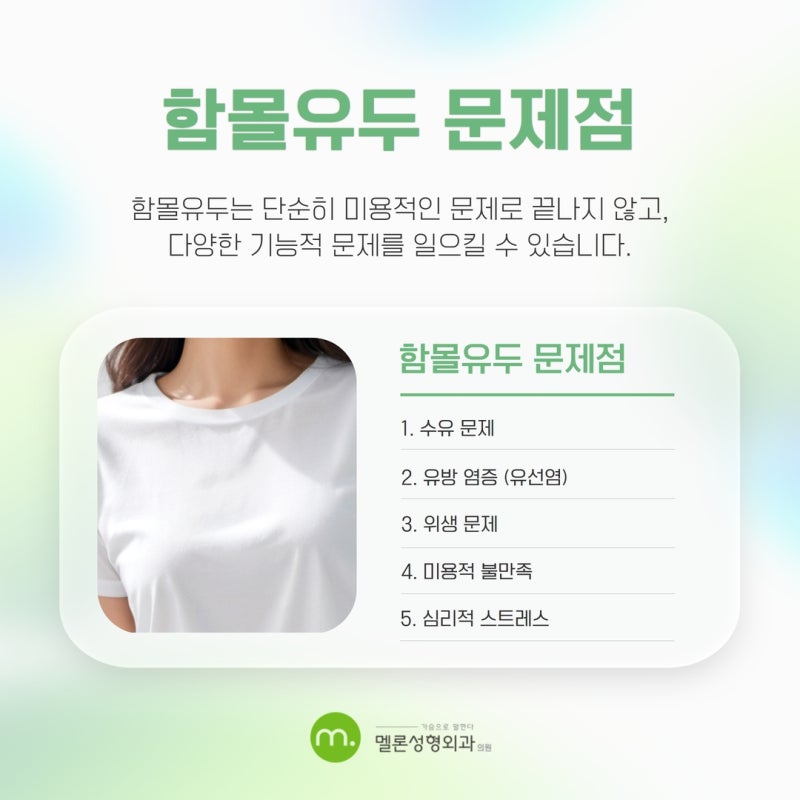
Inverted nipples are not merely a cosmetic issue; they can lead to various functional problems. A common problem is breastfeeding difficulty, as an inverted nipple makes it hard for a baby to latch on, making breastfeeding impossible or challenging. Additionally, if the milk ducts are blocked or narrowed, the risk of breast inflammation (mastitis) increases.
4. Diagnosis of Inverted Nipples
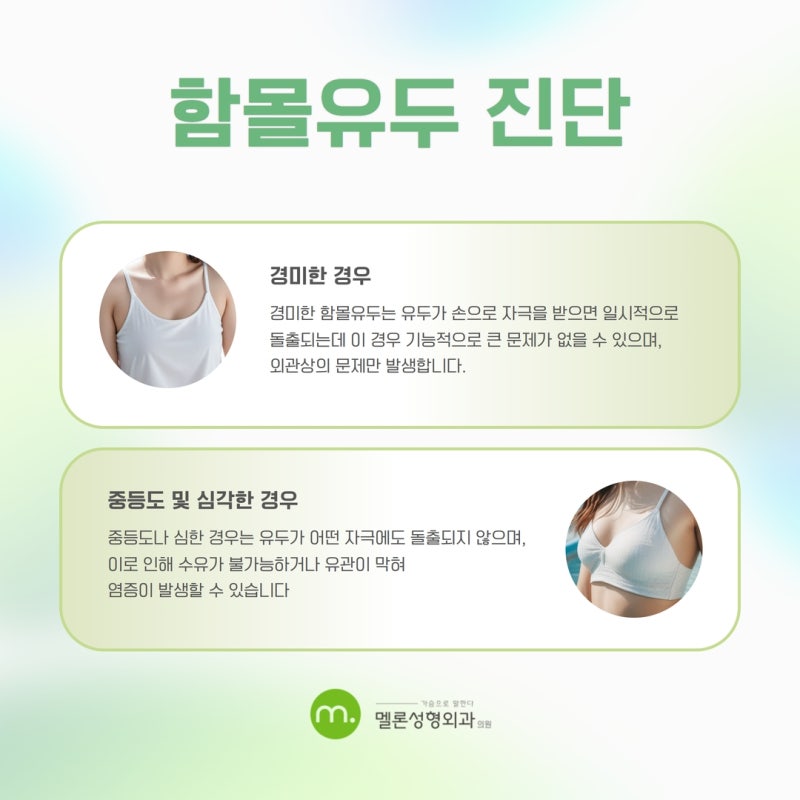
Inverted nipples can be easily diagnosed by observing the appearance of the breast, but specific diagnosis may be required depending on the severity. Evaluation includes whether the nipple can temporarily protrude, reacts to stimulation, and how narrowed the milk ducts are. Diagnosis helps determine the degree of nipple inversion and formulate an appropriate treatment plan.
4.1 Mild Cases
Mild inverted nipples refer to cases where the nipple temporarily protrudes when stimulated by hand. In these cases, there may be no significant functional problems, only aesthetic concerns.
4.2 Moderate to Severe Cases
In moderate to severe cases, the nipple does not protrude with any stimulation, which can make breastfeeding impossible or lead to inflammation due to blocked milk ducts. Surgical correction may be necessary in such cases.
5. Treatment Methods for Inverted Nipples
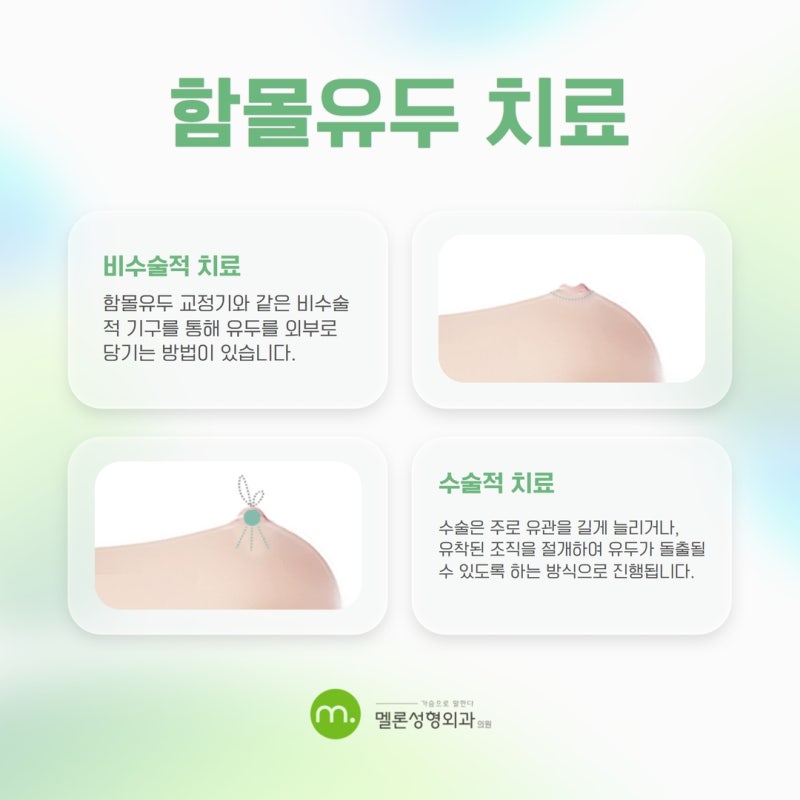
Various treatment options are available for inverted nipples, depending on their severity. Mild cases can be resolved through non-surgical methods, but moderate to severe cases may require surgery.
5.1 Non-Surgical Treatment
Non-surgical devices, such as nipple correctors, can be used to pull the nipple outward. This method can be effective for mild inverted nipples, applying gentle pressure to help the nipple protrude naturally. However, it may have limitations in severe cases.
5.2 Surgical Treatment
The most definitive solution for inverted nipples is surgical correction. Surgery typically involves lengthening the milk ducts or incising adhered tissue to allow the nipple to protrude. The surgery is a relatively simple procedure and can improve appearance without significant scarring.
6. Post-Operative Care for Inverted Nipple Surgery
After inverted nipple correction surgery, it is important to follow several precautions for proper recovery. Corrective devices may be used to maintain the nipple's shape after surgery, and continuous care is needed for scar management and nipple shape retention.
Wearing Corrective Devices - After surgery, corrective devices may be worn to maintain the nipple's shape. This helps prevent the nipple from becoming inverted again and promotes smooth recovery.
Scar Management - Scars may remain after surgery, so it is important to minimize them with scar ointment or laser treatment. Following medical staff's instructions for appropriate care is crucial.
7. Inverted Nipples and Breast Augmentation

Many patients consider inverted nipple correction and breast augmentation together. Combining inverted nipple correction with breast augmentation allows for simultaneous improvement of breast appearance and resolution of functional issues, which is preferred by many patients. If you are considering breast augmentation and feel discomfort with your nipple shape, combining it with inverted nipple correction surgery can be a good option.
Inverted nipples are a condition that can cause not only aesthetic but also functional problems, requiring appropriate treatment. Non-surgical methods can be considered for mild cases, but surgical correction is most effective for moderate to severe cases. Inverted nipples often result from shortened milk ducts or adhesion of fibrous tissue, which may necessitate corrective surgery.

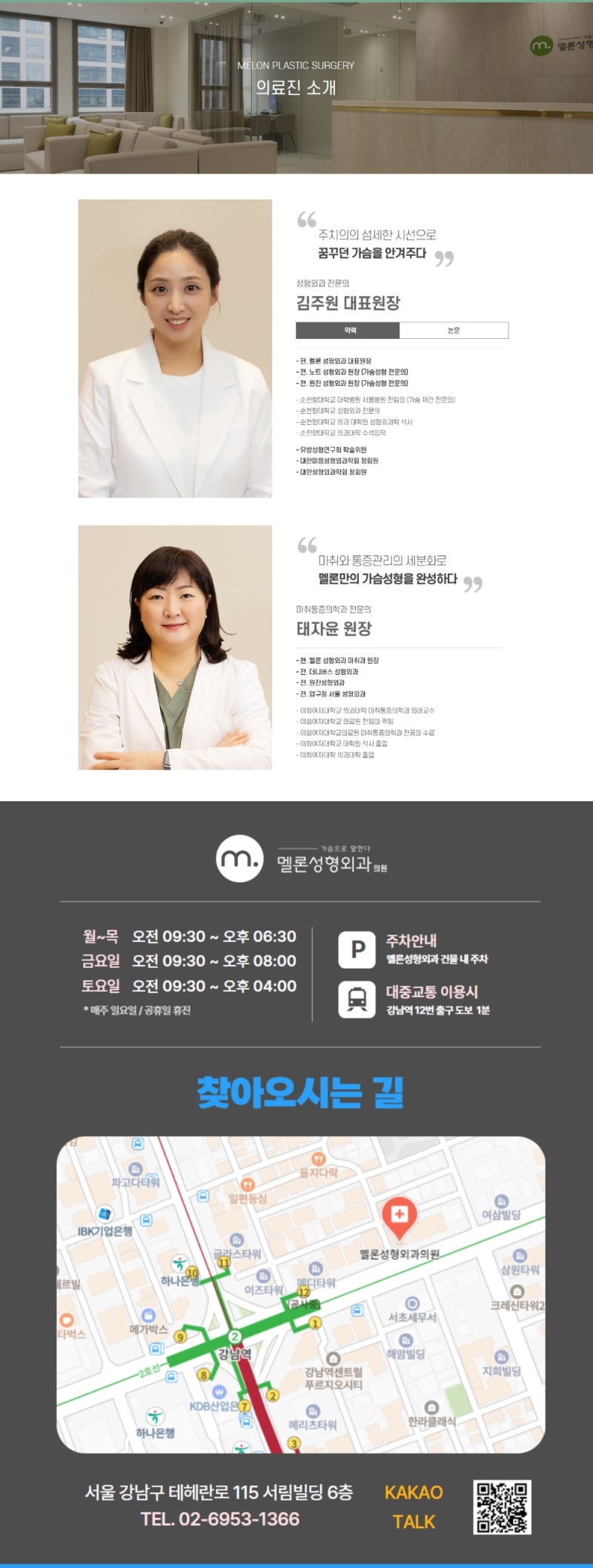
Melon Plastic Surgery offers specialized corrective surgery to address these inverted nipple issues. Melon Plastic Surgery's expert medical team, including Chief Director Kim Joo-won, has extensive experience in various nipple problems, particularly boasting rich clinical experience and high technical skill in inverted nipple correction surgery. They meticulously analyze the patient's skin condition and breast structure to propose the optimal surgical method.

After surgery, thorough post-operative care helps patients recover and maintains a natural nipple shape. Melon Plastic Surgery provides continuous monitoring and care to minimize scarring and prevent the recurrence of inverted nipples. Furthermore, when inverted nipple correction is performed in conjunction with breast augmentation, there is the added benefit of improving the overall appearance of the breasts while also resolving functional issues.
If you are experiencing discomfort due to inverted nipples or are concerned about breastfeeding issues or aesthetic problems, consult Melon Plastic Surgery. Melon Plastic Surgery provides customized treatment that reflects patient needs and strives for natural and satisfying results.

Female Inverted Nipple Clinic - Causes, Step-by-Step Reviews, and Surgery Costs
Female Inverted Nipple Clinic - Causes, Step-by-Step Reviews, and Surgery Costs
Female Inverted Nipple Clinic - Causes, Step-by-Step Reviews, and Surgery Costs
Female Inverted Nipple Clinic - Causes, Step-by-Step Reviews, and Surgery Costs
Female Inverted Nipple Clinic - Causes, Step-by-Step Reviews, and Surgery Costs










Frequently Asked Questions
Why does inverted nipple occur?
Inverted nipples primarily occur when the fibrous tissue or milk ducts beneath the nipple shorten or adhere, pulling the nipple inward. Congenital causes, childbirth and breastfeeding, scars, and inflammation can also be contributing factors.
What problems can inverted nipples cause?
Beyond just cosmetic concerns, inverted nipples can cause breastfeeding difficulties. Additionally, blocked or narrowed milk ducts increase the risk of breast inflammation (mastitis).
Is surgery always necessary for inverted nipples?
No, surgery is not always necessary. For mild inverted nipples, non-surgical methods like nipple corrective devices can be considered. However, for moderate to severe cases, surgical correction is the most effective option.
How should I manage inverted nipples after surgery?
After surgery, you may need to wear a corrective device to maintain the nipple's shape. Additionally, scar management, such as using scar ointment or laser treatment, is important to minimize scarring.
Can inverted nipple correction surgery be combined with breast augmentation?
Yes, it is possible. Many patients prefer to combine inverted nipple correction and breast augmentation as it allows for simultaneous improvement of breast appearance and resolution of functional issues.