2026-07-21
Mammotome: Safe and Worry-Free Even After Breast Augmentation
Mammotome offers a safe and effective way to examine and remove abnormal breast tissue, even after breast augmentation, addressing concerns about implant damage.

Mammotome: Safe and Worry-Free Even After Breast Augmentation
For women, breasts are a symbol of external sexual identity and an important means of expressing confidence. This often leads to the decision to undergo breast augmentation to enhance perceived deficiencies, but sometimes the possibility of future breast diseases or the process of examining and treating them is not considered.
However, cases of tumors being discovered during ultrasound examinations after breast augmentation are not uncommon. After a precise examination, a biopsy is performed to determine whether the condition can be left as is or if removal is necessary. If removal is deemed necessary, a Mammotome biopsy is the appropriate course of action, but there are many instances where this is not even attempted due to concerns about breast implant damage.
However, if you obtain accurate information about Mammotome, you can sufficiently alleviate these concerns.
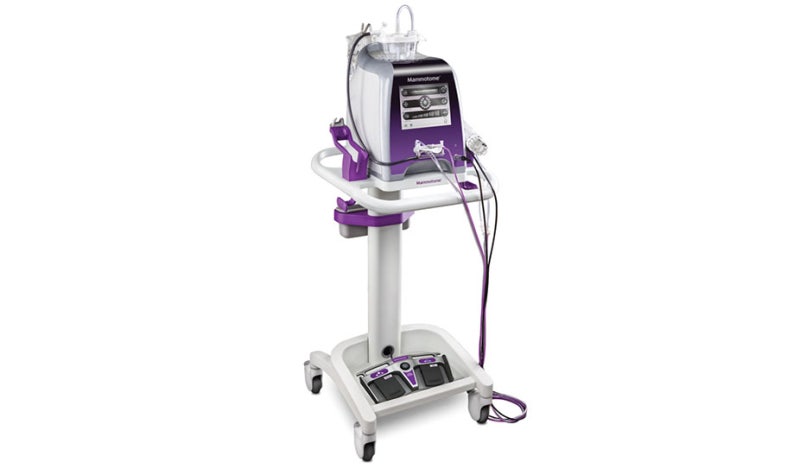
<What is Mammotome?>
Mammotome is currently the most accurate biopsy device for determining whether abnormal breast tissue is malignant or not.
Unlike traditional biopsy methods, this medical device not only examines but also directly removes lesions. It involves inserting a thin needle into the lesion, then using a vacuum aspirator to draw in and remove the tumor tissue, offering the advantage of simultaneous examination and treatment.
It is performed under local anesthesia, not general anesthesia, through a small incision of approximately 3-4 cm, allowing for a return to daily life in about a week without the need for separate sutures. The surgery can be completed on the same day without hospitalization, and most scars do not remain, placing minimal burden on this important part of a woman's body.
Most importantly, it is gaining recognition for dispelling concerns among those who believed it impossible to remove abnormal tissue due to implants after breast augmentation, or who feared implant damage. However, Mammotome is not performed on all abnormal tissues, so it is crucial to have a thorough consultation and precise examination with your breast specialist beforehand.
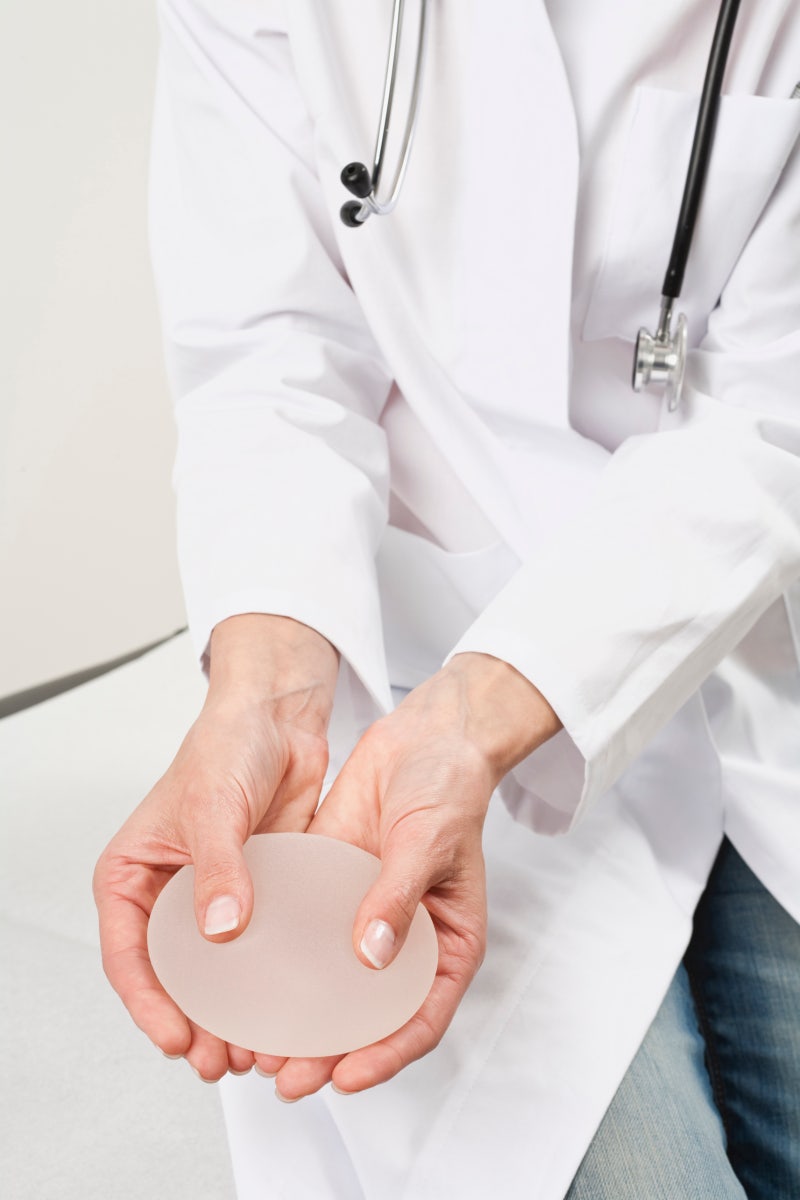
<When Mammotome is Needed>
1) If a benign tumor has the potential to become malignant in the future, it is generally removed using this device.
2) If a lesion is confirmed to be benign but is abnormally large or causes symptoms like pain, it should be removed for treatment.
However, if it does not significantly interfere with daily life and is not consciously noticeable, it may be left alone.
3) When many tissue samples are needed to accurately determine the presence of breast cancer, a method that allows for collection without surgery may be chosen.
<When Mammotome is Not Recommended>
1) If cancer is diagnosed after simultaneous biopsy and removal, treatment becomes more difficult.
2) It is not recommended to perform it based on personal request or vague anxiety.

<Mammotome Examination Recommended for Those Who Have Undergone Breast Augmentation>
Unlike general cases, it is advisable for those who have undergone breast augmentation to undergo examination with Mammotome.
1) It allows for the examination of calcification after fat grafting.
- Some of the autologous fat grafted into the breast may not engraft properly, clumping into an unstable form, leading to calcification.
This is differentiated on breast X-rays, and a Mammotome biopsy can accurately distinguish it from microcalcifications, which are an early symptom of breast cancer.
2) It allows for the examination of oil cysts.
- After fat grafting, some tissue may liquefy, forming cysts internally.
Breast ultrasound can only confirm the presence or absence of cysts, so tissue is collected for a more accurate diagnosis.
3) It allows for the removal of lumps that occur after fat grafting.
These are abnormal tissues in a different category from benign tumors like breast fibroadenomas, occurring when fat injection is not uniform or the quality of the grafted fat deteriorates, causing it to clump into hard, spherical masses. A Mammotome biopsy device can facilitate simple removal and simultaneous tissue examination.
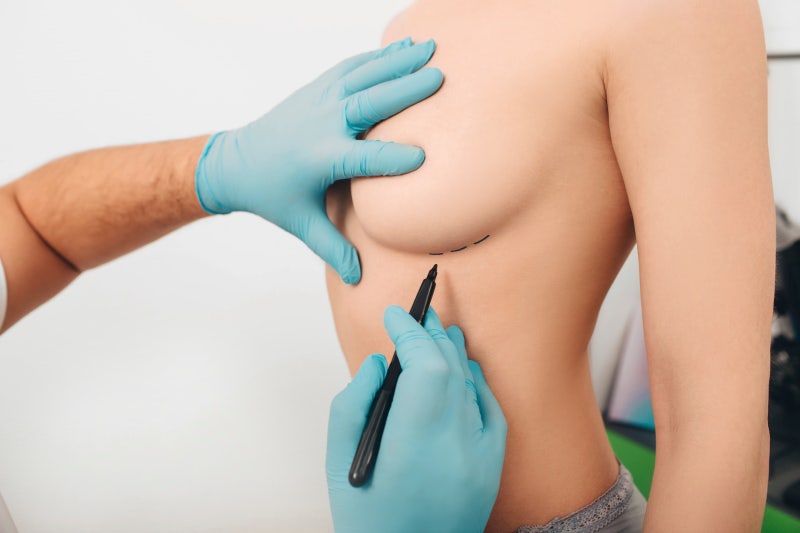
<Why There's No Need to Worry Even with Implants>
Normally, if breast implants are present, the removal of breast tissue itself carries a high risk of implant damage and rupture.
Since breast tissue is thin, breast ultrasound often shows almost no gap between the implant and the breast lump, making a Mammotome biopsy inherently more difficult. Therefore, sufficient space must be secured, which can only be safely achieved by monitoring the entire process with breast ultrasound.
Achieving such results requires a high level of knowledge and extensive clinical experience from the medical staff regarding the breast. Therefore, it is essential to have the procedure performed by a board-certified plastic surgeon to ensure accuracy and safety. At Melon Plastic Surgery, where the breast specialist, not just the operating surgeon, works with an anesthesiologist throughout the entire process to provide 'safe and reassuring Melon care,' you can receive meticulous management that prevents breast indentation and deformation without scars.
Frequently Asked Questions
What is a Mammotome procedure?
Mammotome is a medical device that accurately examines abnormal breast tissue for malignancy and can directly remove it. A thin needle is inserted into the lesion, and tissue is removed using a vacuum aspirator, allowing for simultaneous examination and treatment.
Is Mammotome possible after breast augmentation?
Yes, Mammotome can be safely performed after breast augmentation. While there are often concerns about implant damage, monitoring the entire process with breast ultrasound allows for the removal of abnormal tissue without worrying about implant rupture.
What is the recovery period after a Mammotome procedure?
After a Mammotome procedure, daily life can typically be resumed in about a week. It is performed under local anesthesia with a small incision of approximately 3-4 cm, and can be completed as an outpatient procedure on the same day without separate sutures or hospitalization.
When is Mammotome needed?
Mammotome is recommended when a benign tumor has the potential to become malignant, when it is large and causes pain, or when many tissue samples are needed to determine the presence of breast cancer. It is particularly useful for removing calcifications, oil cysts, and lumps after breast augmentation.
What should I be aware of during a Mammotome procedure?
Mammotome is not performed on all abnormal tissues, so it is crucial to have a thorough consultation and precise examination with your doctor beforehand. Additionally, if implants are present, a high level of knowledge and extensive clinical experience from the medical staff are essential.
Is Mammotome ever needed after breast fat grafting?
Yes, Mammotome may be needed after fat grafting. It can be usefully employed for examining calcification of unengrafted fat, examining oil cysts due to tissue liquefaction, and removing lumps caused by uneven fat injection.