2026-07-21
Motiva Breast Capsular Contracture Symptoms? Can it be treated with medication?
Learn about Motiva breast capsular contracture: its causes, symptoms, prevention, and treatment options, including medication and surgery.
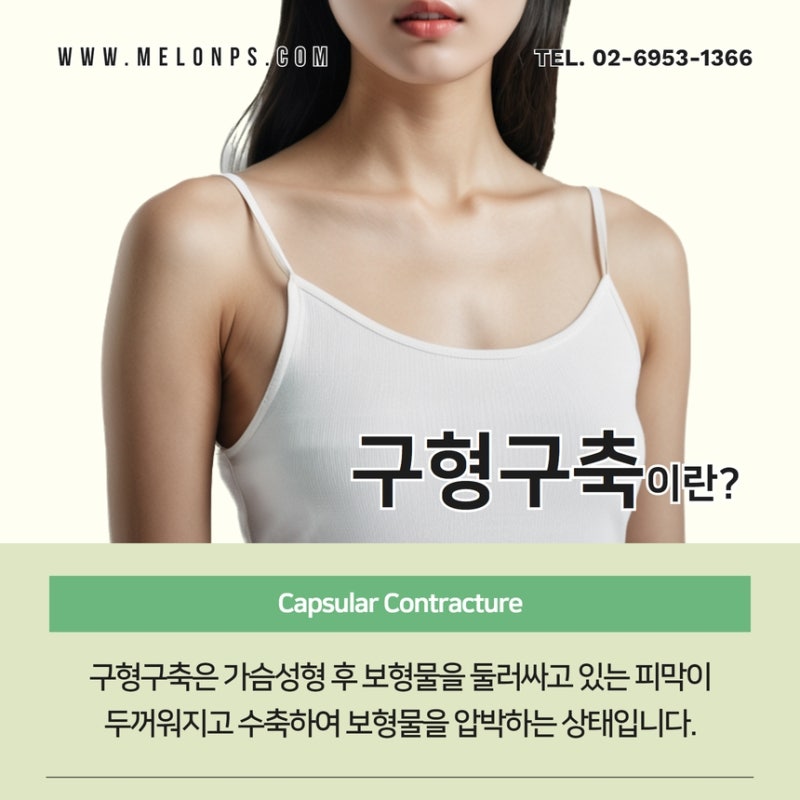
Motiva Breast Capsular Contracture Symptoms? Can it be treated with medication?

01. What is Capsular Contracture?02. Causes03. Symptoms04. Prevention Methods05. Treatment Methods
Breast augmentation is one of the surgeries many women choose to gain confidence in their appearance. However, capsular contracture, a complication that can occur after surgery, can cause serious problems. Capsular contracture refers to a phenomenon where the capsule surrounding the breast implant thickens and hardens, compressing the implant and causing the breast shape to deform or become firm. If capsular contracture occurs, the breast may feel unnatural and can be accompanied by pain. Therefore, early detection and appropriate treatment are very important.
01. What is Capsular Contracture?
Capsular contracture is a condition where the capsule surrounding the breast implant thickens and contracts after breast augmentation, compressing the implant. While the naturally formed capsule is a normal reaction to protect the implant, excessive formation can lead to problems. When the capsule thickens, it compresses the implant, causing the breast to harden or its shape to deform. It can occur several months to several years after surgery and manifests in various forms and degrees.
Capsular contracture is divided into 4 stages, with symptoms varying depending on the stage.
Stage 1 - The capsule is normally thin and soft, maintaining the implant naturally.
Stage 2 - The breast becomes slightly firm, but there are no significant external changes.
Stage 3 - The breast becomes noticeably firm and the implant's shape is deformed.
Stage 4 - Pain occurs, and the breast shape is severely deformed, possibly requiring revision surgery.
02. Causes of Capsular Contracture
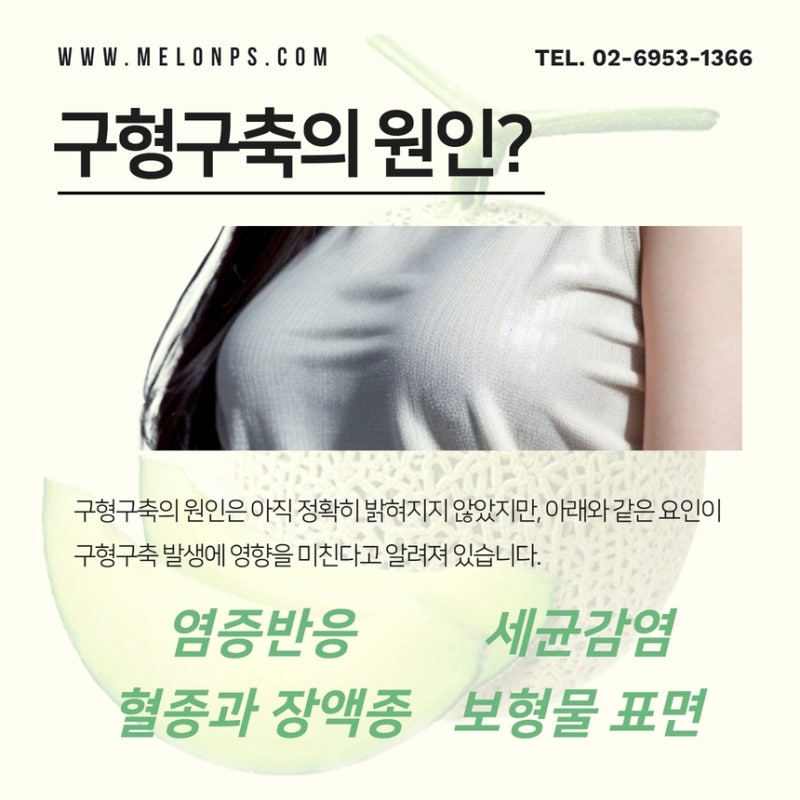
The exact cause of capsular contracture is not yet fully understood, but several key factors are known to influence its occurrence.
Inflammatory response - Microscopic inflammation during surgery can cause the capsule to thicken and compress the implant.
Bacterial infection - If bacterial infection occurs after surgery, the inflammatory response becomes more severe, increasing the risk of capsular contracture.
Hematoma and seroma - If blood or fluid accumulates around the implant after surgery, excessive capsule formation can occur.
Implant surface condition - Implants with a textured surface are known to have a lower incidence of capsular contracture than those with a smooth surface.
03. Symptoms of Capsular Contracture

If capsular contracture occurs, the breast will feel unnatural, and abnormal external changes will appear.
In severe cases, the following symptoms may occur:
The breast becomes hard and its texture changes.
The breast shape becomes asymmetrically deformed.
Pain occurs, especially when touching or moving the breast.
The breast feels as hard as a stone.
04. Methods to Prevent Capsular Contracture

While capsular contracture is difficult to prevent entirely, its occurrence can be reduced through post-operative care and several measures.
Aseptic management during surgery - Thorough aseptic processing is necessary during surgery to prevent infection.
Regular massage - Post-operative breast massage helps keep the capsule soft, reducing the occurrence of capsular contracture.
Appropriate implant selection - It is important to choose an implant with a low incidence of capsular contracture.
Regular follow-up care - Regular post-operative follow-up care can help detect early problems and allow for appropriate responses.
Smoking cessation - Smoking is a known factor that causes capsular contracture. We recommend quitting smoking for beautiful breasts and overall health.
05. Treatment Methods for Capsular Contracture

If capsular contracture occurs, treatment methods may vary depending on the severity of the symptoms.
Medication treatment - In the early stages of capsular contracture, anti-inflammatory drugs or steroids can be used to reduce inflammation and alleviate symptoms.
Ultrasound therapy - This method uses ultrasound to soften the capsule around the implant, alleviating capsular contracture.
Revision surgery - In cases of severe capsular contracture, revision surgery may be necessary. This can involve removing the existing implant and inserting a new one, or removing the capsule to resolve the problem.

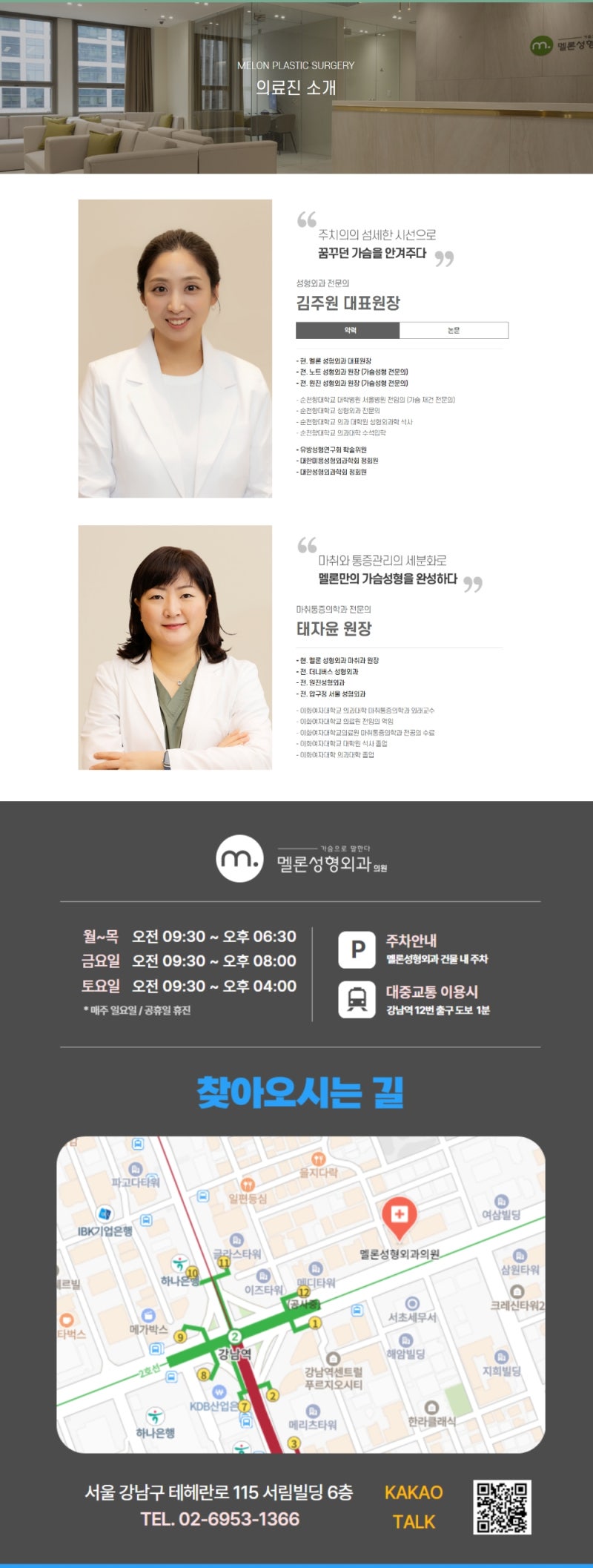
Melon Plastic Surgery is a hospital capable of preventing and treating post-breast augmentation problems, including capsular contracture. Our hospital provides safe and effective breast augmentation based on the latest technology and operates a thorough surgical management system to minimize complications that may occur after surgery. Dr. Joowon Kim, the representative director of Melon Plastic Surgery, provides customized treatment to each patient based on extensive experience in breast reconstruction and breast augmentation. We do our best to ensure patients can undergo surgery safely through thorough follow-up and aftercare from before surgery to after.

Furthermore, Melon Plastic Surgery uses customized, state-of-the-art implants to prevent capsular contracture and applies various techniques to reduce the risk of capsule formation. After surgery, regular monitoring is conducted to check for complications, and we help patients respond quickly if problems arise. If you are experiencing discomfort due to capsular contracture, please seek an accurate diagnosis and appropriate treatment at Melon Plastic Surgery. Melon Plastic Surgery prioritizes patient safety and satisfaction, providing the best medical services.











Motiva Breast Capsular Contracture Symptoms? Can it be treated with medication?
Motiva Breast Capsular Contracture Symptoms? Can it be treated with medication?
Motiva Breast Capsular Contracture Symptoms? Can it be treated with medication?
Motiva Breast Capsular Contracture Symptoms? Can it be treated with medication?
Motiva Breast Capsular Contracture Symptoms? Can it be treated with medication?
Frequently Asked Questions
What is capsular contracture?
Yes, capsular contracture refers to a condition where the capsule surrounding the breast implant thickens and contracts after breast augmentation, compressing the implant. This is a complication that can cause the breast to harden or its shape to deform.
What are the main causes of capsular contracture?
The exact cause of capsular contracture is not yet known, but inflammatory reactions, bacterial infections, hematoma and seroma formation, and the condition of the implant surface are known to be major contributing factors.
How do capsular contracture symptoms manifest?
If capsular contracture occurs, the breast will feel unnatural and hard, and the breast shape may become asymmetrically deformed. In severe cases, it can also be accompanied by pain.
Are there ways to prevent capsular contracture?
Yes, while it is difficult to completely prevent capsular contracture, its occurrence can be reduced through aseptic management during surgery, regular breast massage, appropriate implant selection, regular follow-up care, and smoking cessation.
Can capsular contracture be treated with medication?
Yes, in the early stages of capsular contracture, medication treatment is possible. Anti-inflammatory drugs or steroids can help reduce inflammation and alleviate symptoms. The treatment method may vary depending on the severity of the symptoms.