2026-07-21
Understanding Breast Pain Before and After Menstruation
Breast pain before and after menstruation is common, often due to hormonal changes. Learn to distinguish normal discomfort from potential health issues and discover effective management strategies to alleviate symptoms.
Understanding Breast Pain Before and After Menstruation
Hello. I'm Dr. Juwon Kim, the lead director of Melon Plastic Surgery, your breast specialist.
As your period approaches, your breasts might feel lumpy and heavy. You'll likely experience changes that make them feel weighty and painful. These symptoms can even continue after your period.
Because of this, you might worry that the breast pain you feel before and after your period could be a sign of a specific illness.
‘Is it normal to hurt this much every month?’‘Could it be a precursor to a serious illness?’
I believe these questions reflect not just the monthly discomfort but also the anxiety stemming from recurring pain.
While most breast pain experienced before and after menstruation is a natural phenomenon, understanding its causes and characteristics, and managing it correctly, can be helpful.
Today, I will discuss the causes of breast pain, how to differentiate it from illnesses, and management methods. I hope this information is helpful for those experiencing discomfort from breast pain before and after their period.
Breast Pain Before and After Menstruation | Causes of Pain
Breast pain primarily stems from hormonal changes.
After ovulation, female hormones change, causing breast tissue to temporarily swell and fluid to accumulate, leading to a heavy or throbbing sensation. This is why, right before your period, your breasts might feel lumpy or firm, and become sensitive to even minor stimuli.
While this is a natural process, there's individual variation; some people experience it without much bother, while others feel intense discomfort, even from their clothes brushing against them.
Rarely, severe pain can make work or sleep difficult, reducing one's quality of life. This often leads to concerns about whether breast pain is merely a menstrual symptom or a pathological issue.
However, most breast pain before and after menstruation gradually subsides as the period begins and hormone levels stabilize. Of course, if symptoms persist or other unusual symptoms appear, an underlying illness might be suspected.
We'll continue discussing how to distinguish between breast pain and an illness in the next section.
Breast Pain Before and After Menstruation | Criteria for Distinguishing Between Illness and Breast Pain
Many who experience severe breast pain before and after menstruation suspect it might be an illness.
‘Is it okay if the pain recurs at the same time every month?’‘Could it be an illness if only one breast hurts?’
Cyclical pain, like breast pain before and after menstruation, occurs repeatedly from after ovulation until just before the period, usually affecting both breasts symmetrically. This is a natural response to hormonal changes, and it typically subsides once menstruation begins.
Conversely, non-cyclical pain appears irrespective of the menstrual cycle and is characterized by localized pain, affecting only one breast or a specific area. While it could be simple muscle pain or chest wall pain, it can rarely be associated with breast disease, so it's best to get it checked rather than ignoring it.
Especially if you feel a lump, if the pain persists for a long time, or if it's accompanied by changes in breast shape, a medical examination and confirmation by a healthcare professional are absolutely necessary. Not all pain in our body is caused by a specific illness.
However, pain can cause anxiety in anyone. Therefore, if any pain is severe enough to cause suspicion or is persistent, it's helpful to record the pattern and changes of the pain and monitor it regularly.
Breast Pain Before and After Menstruation | Ways to Reduce Breast Pain
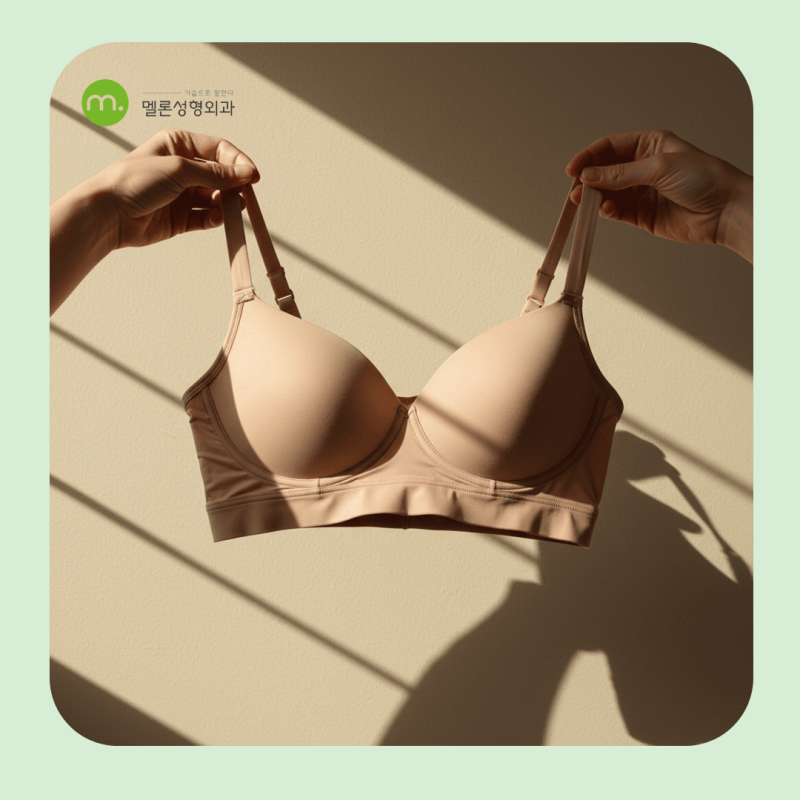
There are ways to alleviate breast pain before and after menstruation. Managing your lifestyle habits can provide some relief.
First, it's good to reduce caffeine and salty foods, as these can worsen symptoms by intensifying fluid retention. Drinking more than 1.5L of water daily and maintaining a balanced diet helps your body recover.
Specifically, nutrients like vitamin B6, calcium, and magnesium can positively influence hormonal balance and nerve stability. A low-sodium diet rich in complex carbohydrates can help alleviate changes in body fluid and blood sugar, thereby reducing pain.
There are essential conditions for health and recovery, aren't there? Light aerobic exercise and a regular lifestyle pattern can lessen discomfort caused by hormonal fluctuations, and sufficient sleep speeds up recovery, so it's good to maintain these habits.
Supportive underwear can also help with breast pain; wearing a bra that provides stable support to the breasts can reduce unnecessary irritation during movement. If needed, warm compresses or gentle stretching can also help improve blood circulation.
If, despite consistent lifestyle management, the pain persists severely or appears in a different pattern than usual, do not dismiss it as just a menstrual symptom. It's necessary to get it checked.
Please remember that consistently monitoring small changes in your body is the most important habit for maintaining your long-term health.
Breast Pain Before and After Menstruation | When Medical Confirmation is Needed for Breast Pain
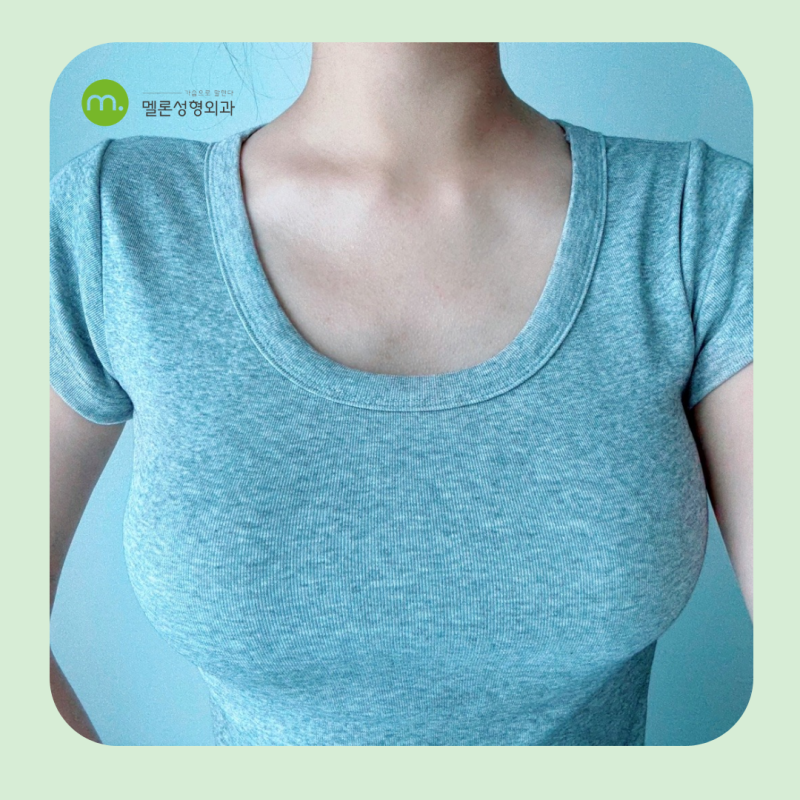
Most breast pain before and after menstruation is a natural symptom stemming from hormonal changes, but if the discomfort is severe or shows a different pattern than usual, it's good to get it checked.
Even if it's a simple symptom, it's a sensitive area that can be burdensome for women, so instead of worrying alone, a process of understanding based on communication with medical staff may be necessary.
Breast pain is a signal your body sends periodically, and knowing and understanding its cause can turn anxiety into reassurance.
Please remember that breast pain, while sometimes causing discomfort, can also be an opportunity to check on your health.
Please feel free to discuss any concerns you have about your breasts. We will be with you every step of your breast journey.
Thank you.
Frequently Asked Questions
Why does breast pain occur before and after menstruation?
It mainly stems from hormonal changes. After ovulation, female hormones change, causing breast tissue to temporarily swell and fluid to accumulate, leading to a heavy or throbbing sensation. This can make breasts feel lumpy or firm right before menstruation and sensitive to minor stimuli.
Is it normal for my breasts to hurt every month before and after my period?
Yes, it is mostly a natural phenomenon. Cyclical pain recurs from after ovulation until just before menstruation, usually appearing symmetrically in both breasts. When menstruation begins, hormone levels stabilize, and the pain often subsides.
What conditions should be suspected if breast pain is severe?
If you experience non-cyclical pain, or if only one breast hurts, or if there is localized pain in a specific area, an illness might be suspected. Especially if a lump is felt, if the pain persists for a long time, or if it's accompanied by changes in breast shape, a medical examination by a healthcare professional is absolutely necessary.
What are the ways to reduce breast pain before and after menstruation?
It can be alleviated through lifestyle management. Reducing caffeine and salty foods, drinking more than 1.5L of water daily, a balanced diet, light aerobic exercise, sufficient sleep, wearing supportive underwear, and warm compresses can all help.
Are there any nutrients that help alleviate breast pain?
Yes, nutrients like vitamin B6, calcium, and magnesium can positively influence hormonal balance and nerve stability. A low-sodium diet rich in complex carbohydrates helps alleviate changes in body fluid and blood sugar, thereby reducing pain.
When should I see a doctor for breast pain?
If, despite consistent lifestyle management, the pain persists severely or appears in a different pattern than usual, medical confirmation is needed. Especially if there is a lump, persistent pain, or changes in breast shape, you must get an examination.