2026-07-21
Breast Augmentation Diet_Fasting Before Breast Augmentation and Food After Surgery
Learn about essential fasting guidelines before breast augmentation and recommended foods for optimal recovery after surgery.
Breast Augmentation Diet_Fasting Before Breast Augmentation and Food After Surgery
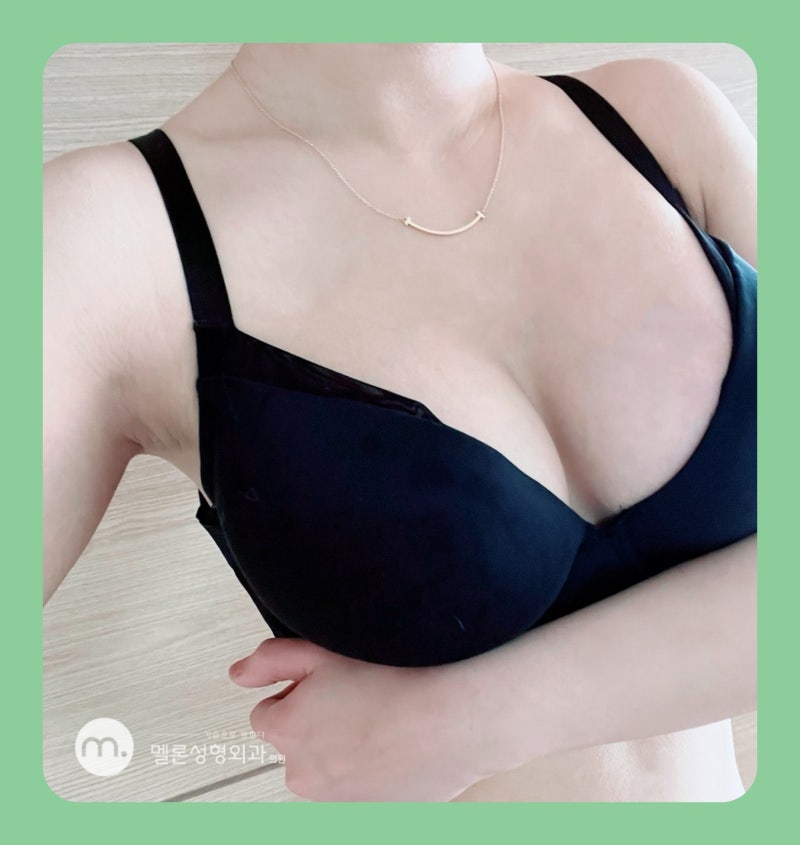
Breast augmentation is a decision made after much contemplation, and for some, it can be a turning point in life. When facing such a significant change, many questions arise not only about the surgery itself but also about how to prepare and care for your body before and after the procedure.
In particular, ‘When should I start fasting before surgery?’ and ‘What foods should I eat after surgery to aid recovery?’ are questions many people need answers to. I hope you remember that ‘fasting’ is an essential process for a safe and healthy surgery, and ‘food’ is the power that restores health after surgery.
Today, we will summarize the fasting guide before surgery and the diet that helps recovery after surgery, to assist those who are planning breast augmentation or have just completed the procedure.
Why is fasting before surgery so important?
Breast augmentation is performed under general anesthesia, so fasting before anesthesia is a very important procedure. You must not eat anything for ‘at least’ 8 hours before the time of surgery, and all liquids, including herbal medicine, coffee, tea, and even water, are prohibited.
Fasting is important because food remaining in the stomach during anesthesia can reflux and enter the airway. This can lead to fatal complications such as aspiration pneumonia.
Thinking ‘it’s okay to eat just a little’ is absolutely forbidden. Please strictly adhere to the fasting time according to the medical staff's instructions from the day before or the day of the surgery. I hope you remember that this is not a painful time of not being able to eat, but rather a preparatory process for your body's safety.
After surgery, there are specific foods that aid healing.
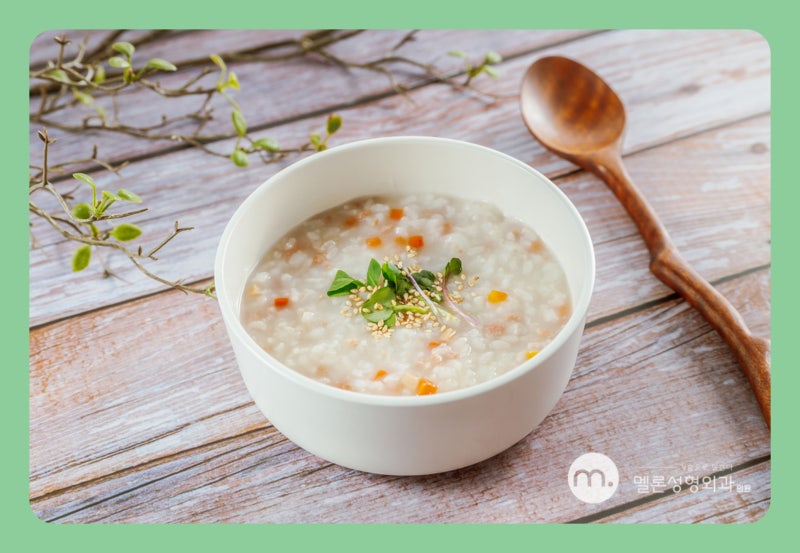
After surgery and once the anesthesia wears off, consuming good nutrition to aid body recovery becomes important. Immediately after surgery, it is best to start with soft foods like rice porridge or gruel, and eat slowly to avoid burdening your stomach.
After a few days, when regular meals are possible, it is advisable to plan a diet that helps promote healing and reduce inflammation. For example, steam vegetables rich in vitamins and minerals, or consume a balanced intake of protein-rich foods such as chicken breast, fish, tofu, and eggs. These foods help generate new cells and accelerate the recovery of the surgical site.
On the other hand, processed foods, fast food, salty and spicy foods, and sweet foods can trigger inflammatory responses and delay recovery. While they might temporarily make you feel good, they can be major culprits in hindering recovery, so please be patient a little longer.
Hydration, a more important key to recovery than you think.

Many people overlook ‘water intake’. It is extremely important to drink enough water after surgery. Water is a quiet helper that aids all recovery processes in our body. It transports nutrients, expels waste products, regulates body temperature, and also strengthens immune function.
We recommend a steady intake of about 2L of water per day. However, caffeinated coffee or green tea, and alcohol can dehydrate you and hinder wound healing, so please avoid them for a while. If you have a favorite beverage, you can enjoy it even more after you have fully recovered.
Nutrients and supplements that aid recovery, be sure to check before consumption.
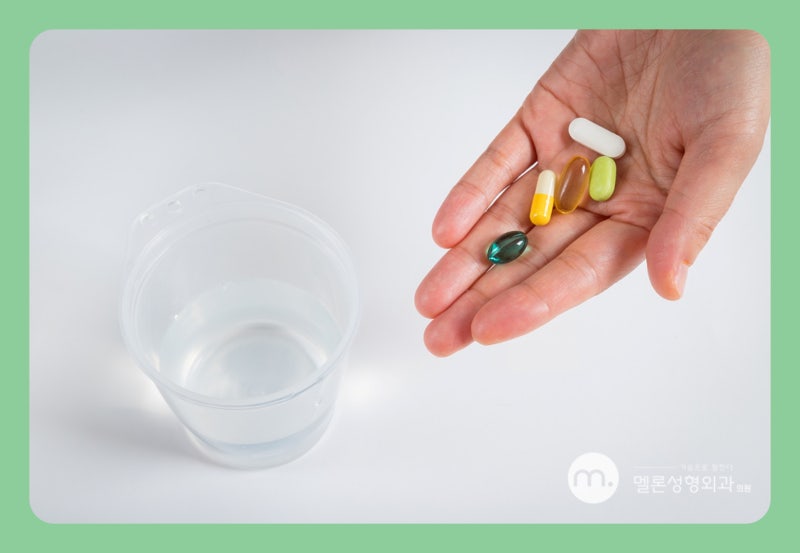
Nutrients that aid recovery after surgery include vitamins C, A, B complex, zinc, and iron. These play important roles in boosting immunity and wound healing, and are essential components for energy production and skin regeneration.
However, simply taking many supplements is not always beneficial. It is necessary to consult with medical staff before taking them and confirm whether to do so. After breast augmentation, prescribed medications to prevent capsular contracture are taken for a certain period, and interactions between prescribed medications and supplement ingredients must also be considered.
Smoking and alcohol must be avoided.
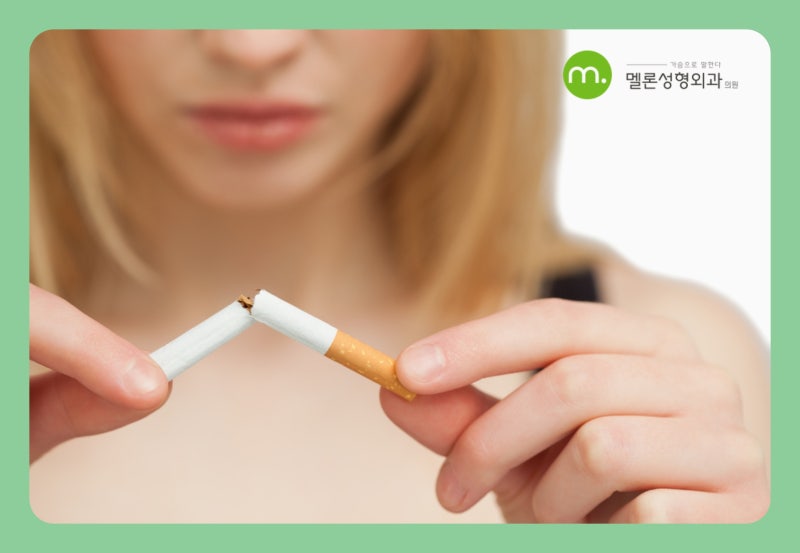
The biggest obstacles to recovery from breast augmentation are smoking and alcohol. Smoking hinders blood flow and oxygen supply, not only delaying the recovery of the surgical site but also, in some cases, causing side effects such as capsular contracture. Quitting smoking at least 2 weeks before surgery is recommended, and it is best to quit permanently if possible after surgery.
Alcohol consumption can also affect the metabolism of anesthetics and burden the liver, negatively impacting overall recovery. It is safest to avoid even a single drink during the recovery period, and it is wise to slowly reintroduce it after your body has fully recovered.
Daily life after surgery, recovery achieved through small efforts.

Breast augmentation is not just a surgery that changes your appearance. It is because the ‘decision’ to love and care for yourself becomes the motivation for the surgery. To ensure that a difficult decision leads to a good outcome, post-surgical eating habits and lifestyle habits must also be cultivated.
Healing your body with good nutrition, aiding recovery with hydration, and protecting your health by quitting smoking and reducing alcohol intake. Please do not forget that all of these are warm acts of self-love.
I sincerely hope that everyone preparing for surgery recovers safely and beautifully.
Frequently Asked Questions
When should I start fasting before breast augmentation surgery?
Fasting is required for at least 8 hours before breast augmentation surgery, as it is performed under general anesthesia. All food and drink, including water, are prohibited to prevent fatal complications such as aspiration pneumonia due to food reflux during anesthesia.
What foods are good for recovery after breast augmentation surgery?
Immediately after surgery, it is best to start with soft foods like porridge or gruel. Afterwards, it is important to consume a balanced diet of steamed vegetables rich in vitamins and minerals, and protein-rich foods like chicken breast, fish, tofu, and eggs to aid in new cell generation and surgical site recovery.
What foods should I avoid after breast augmentation surgery?
It is best to avoid processed foods, fast food, salty and spicy foods, and sugary foods, as they can induce inflammatory responses and delay recovery. While these foods may temporarily make you feel good, they can be major culprits in hindering your recovery.
How important is hydration after surgery?
Yes, adequate fluid intake is very important after surgery. Water plays a role in aiding all recovery processes, including nutrient transport, waste excretion, body temperature regulation, and immune function enhancement. Consistent water intake of around 2L per day is recommended, and caffeine and alcohol should be avoided.
Is it okay to take supplements after breast augmentation surgery?
Before taking any supplements, you must consult with your medical team to confirm whether it is safe to do so. Interactions between prescribed medications and supplement ingredients must be considered after surgery, and simply taking a lot is not necessarily beneficial.
When can I smoke and drink alcohol after breast augmentation surgery?
Smoking and drinking alcohol are the biggest hindrances to breast augmentation recovery and must be avoided. Smoking can impede blood flow and cause capsular contracture, while alcohol negatively affects anesthetic metabolism and the liver. It is safest to quit smoking at least 2 weeks before surgery and avoid even a single drink during the recovery period.