2026-07-21
How to Check for Breast Ptosis, Improve It, and Prevent It
Learn how to check for breast ptosis, understand its causes, and discover methods for improvement and prevention. This guide covers self-assessment, lifestyle changes, and surgical options.

How to Check for Breast Ptosis, Improve It, and Prevent It
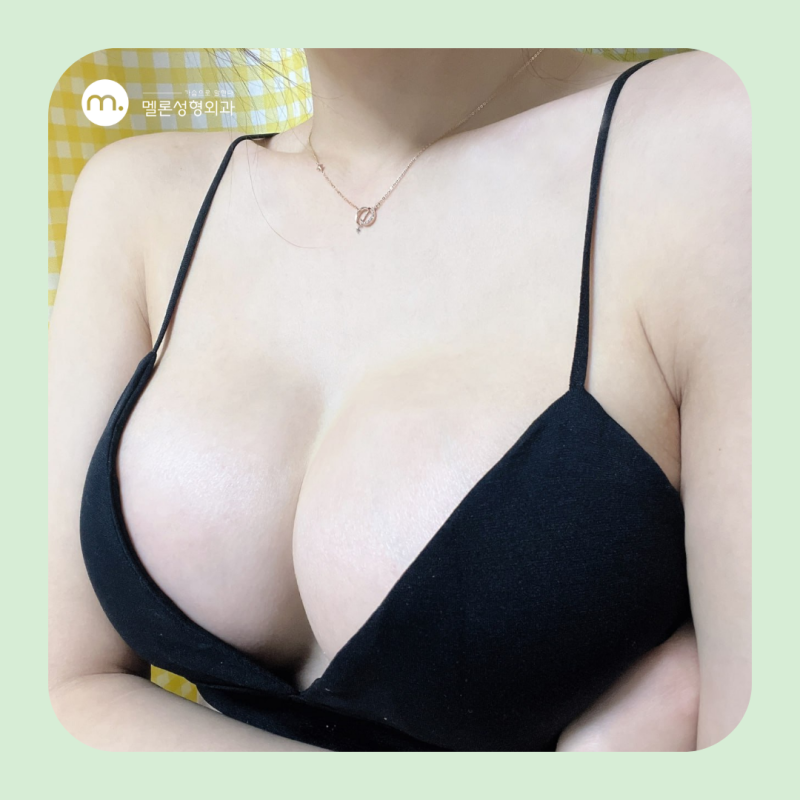
Hello. I'm Dr. Kim Joo-won, the head director of Melon Plastic Surgery, your breast specialist for all breast concerns.
After childbirth or breastfeeding, some degree of breast ptosis (sagging) is common. Rapid dieting is also a major cause of breast ptosis, and many people are upset when they achieve their desired body through weight loss, only to find their breasts have sagged.
‘My breasts have deflated after breastfeeding.’‘I want to know how much my breasts have sagged.’
Perhaps some of you reading this article are also concerned about breast ptosis. Today, I'd like to talk about breast ptosis.
I'll explain everything from why breasts sag, how to self-check the degree of sagging, methods to improve sagging, and prevention tips in daily life, all in an easy-to-understand way. I hope what I share today helps with your concerns.
Breast Ptosis | Reasons Why Breasts Sag
Breast ptosis doesn't occur due to a single cause. It's a phenomenon that arises from the combined effect of various changes.
Breast ptosis is often felt more significantly by mothers who have gone through pregnancy and childbirth, as the changes before and after childbirth, and before and after breastfeeding, are prominent. During pregnancy, the mammary glands enlarge due to hormonal influences. Breast volume becomes fuller, but it shrinks again after breastfeeding ends.
This is precisely when sagging begins. When breast volume increases, the breast skin and tissues also stretch, but when the volume returns to its previous state after breastfeeding, the elasticity of the skin and tissues doesn't recover as before.
A crucial structure for understanding breast ptosis is Cooper's ligaments. Cooper's ligaments are fibrous tissues that support the breasts. When the body undergoes repeated changes due to pregnancy or dieting, these Cooper's ligaments can weaken or stretch.
Since this area is difficult to restore naturally, once the support weakens, the breasts appear to drop downwards.
Changes in skin elasticity also affect breast ptosis. Our skin is subject to the effects of time. As time passes and collagen decreases, the skin loses its firmness compared to before, and the strength that stably holds the breasts also diminishes.
Changes in weight and a hunched posture are also causes of breast ptosis. Repeated weight fluctuations and a stooped posture cause the breasts to sag downwards.
Breast Ptosis | Self-Check Method to Determine the Degree of Sagging
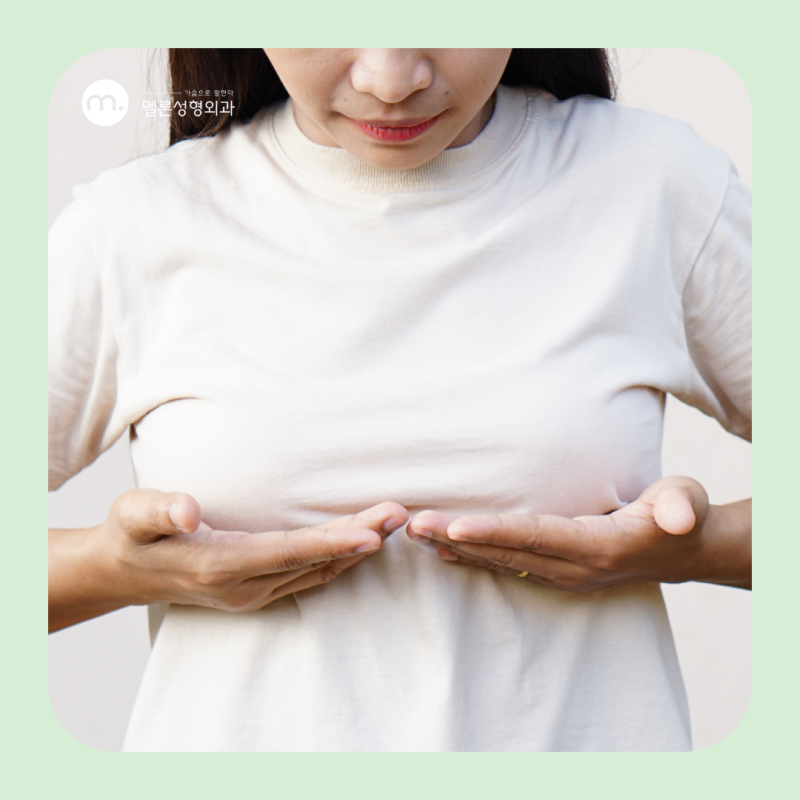
Breast ptosis is a noticeable change, but it's not easy to judge the extent of sagging, such as whether it's severely sagged or how much it has sagged.
‘I heard that breast ptosis is judged by nipple position, is that correct?’‘I'm not sure if I'm looking at it correctly.’
A self-check method for breast ptosis is to compare the position of the inframammary fold (breast crease) and the nipple. Stand in front of a mirror and first identify the lowest part of your round breast, the inframammary fold. This line becomes the baseline for assessing breast ptosis.
If the nipple is above the inframammary fold, it can be seen as a state where not much sagging has occurred. If the nipple's position is similar to or slightly below the fold, it's likely a mild stage of sagging. If the nipple has dropped below the fold, it could be moderate to severe ptosis.
However, please note that the self-check method is only for estimating changes in your body and is not an accurate diagnosis. If you want to know the exact degree of sagging or feel that improvement is needed, it's best to consult with medical professionals to assess your current condition.
Breast Ptosis | Lifestyle Management for Preventing Sagging
It's difficult to naturally reverse breast ptosis. However, good lifestyle habits can help slow down the rate of sagging and maintain breast stability.
First, posture.
A hunched posture ultimately causes the breasts to sag downwards. When your posture is bent, your breasts appear to sag, and if this posture continues, muscle strength can weaken, leading to faster sagging. Maintaining an upright posture helps prevent breast ptosis.
Second, wearing a functional bra.
After childbirth or weight changes, many women find that their old bras no longer fit. Wearing a functional bra that stably supports the breasts helps prevent sagging.
Third, maintaining skin elasticity.
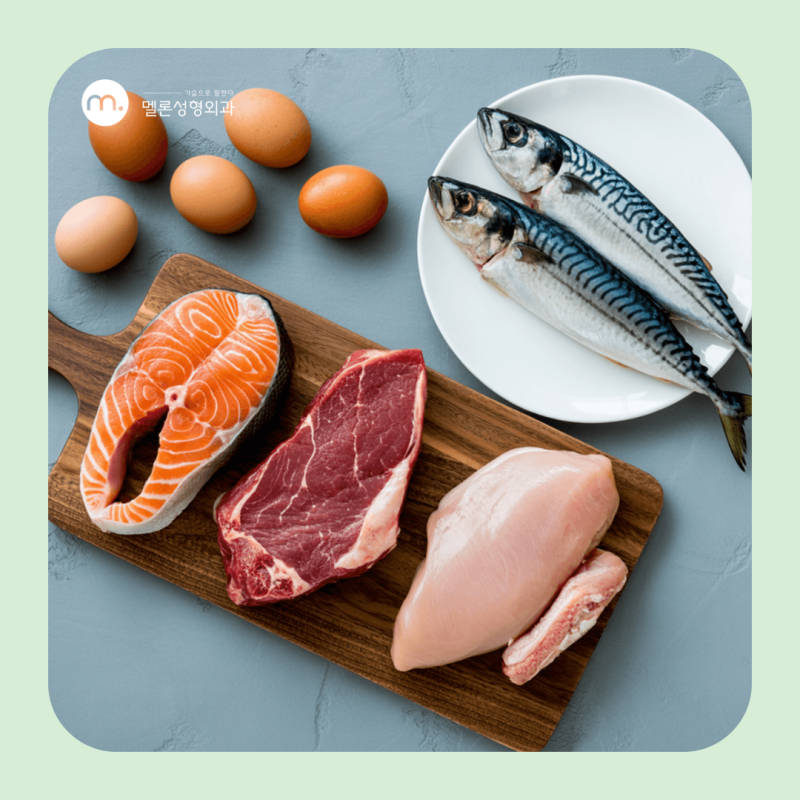
Dry skin can also weaken the support for the breasts. Adequate hydration is necessary. Foods containing protein, vitamin C, and omega fatty acids also contribute to maintaining skin elasticity. A diet including milk, legumes, nuts, citrus fruits, and oily fish helps the skin maintain its elasticity.
If you want to prevent both skin sagging and breast ptosis, it's good to manage both your lifestyle and diet healthily.
Breast Ptosis | Surgical Methods to Improve Sagging
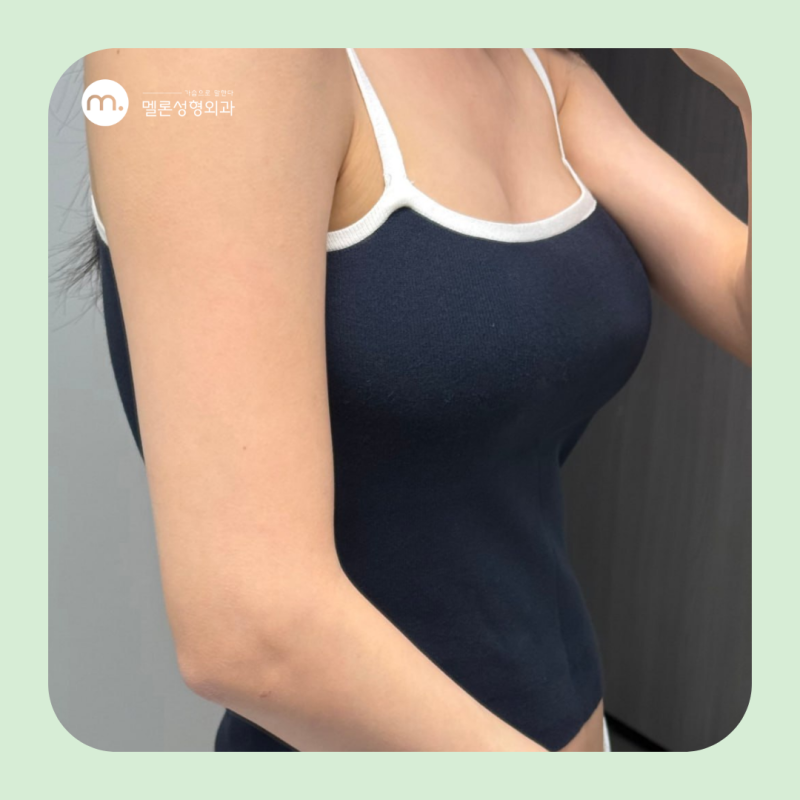
If breast ptosis has progressed to a noticeable extent, the lifestyle management methods mentioned above may not be sufficient for improvement. In such cases, surgical improvement methods can be considered after a clear examination of your current condition.
Surgical methods vary depending on how much sagging has occurred, the shape of the breasts, and what kind of breasts you desire. Therefore, it's necessary to first assess and discuss your current breast condition and concerns.
For mild sagging, implants can be used to improve sagging and fill the volume of the upper breast. If sagging is more advanced, such as when the nipple has dropped below the inframammary fold, a breast lift (mastopexy) is needed to remove excess skin and lift the nipple's position.
If sagging is accompanied by a deflated upper breast, a combination of implant insertion and a lift can be considered to create a more voluminous overall breast line.
The incision site and surgical method for a breast lift vary depending on the degree of sagging. Therefore, a surgical plan is carefully formulated after meticulously examining how much the skin has stretched, where the nipple is located, and the condition of the breast tissue.
Breast lift surgery yields the most satisfactory results when medical professionals directly oversee and guide appropriate prescriptions at each stage, from pre-operative communication and surgery to post-operative recovery management. If an incision is made, scar progress must also be monitored, requiring diligent management from both the medical institution and the individual.
If sagging has become noticeable, don't worry alone; discuss your concerns with your doctor. I will be your breast specialist throughout your breast journey to help your breast concerns lead to beautiful results.
Thank you.


Frequently Asked Questions
What are the main causes of breast ptosis?
Breast ptosis can be caused by a combination of various factors such as pregnancy, childbirth, breastfeeding, rapid weight loss, weakening of Cooper's ligaments, decreased skin elasticity, repeated weight changes, and poor posture. In particular, it often begins when the glandular tissue enlarges during pregnancy and then shrinks after breastfeeding, without the skin elasticity fully recovering.
Is there a way to self-check the degree of breast ptosis?
Yes, you can self-check the degree of ptosis by comparing the position of the inframammary fold and the nipple. If the nipple is above the inframammary fold, there is little ptosis; if the nipple is similar to or slightly below the fold, it may be mild ptosis; and if the nipple has descended below the fold, it may be moderate to severe ptosis.
What lifestyle habits can prevent breast ptosis?
To prevent breast ptosis, it is good to maintain good posture and wear a functional bra that stably supports the breasts. Additionally, maintaining skin elasticity by drinking enough water and consuming foods rich in protein, vitamin C, and omega fatty acids (such as milk, legumes, nuts, citrus fruits, and oily fish) is helpful.
What surgical methods are available to improve sagging breasts?
Various surgical improvement methods can be considered depending on the degree of ptosis. For mild ptosis accompanied by a lack of volume, improvement can be achieved through implant insertion. For moderate to severe ptosis where the nipple has descended below the inframammary fold, breast lift surgery (mastopexy) may be necessary to remove excess skin and lift the nipple position.
How should I manage scars after breast lift surgery?
Scar management is important after breast lift surgery as it requires incisions. It is necessary to manage them meticulously according to the medical institution's instructions after surgery, and consistent self-care to monitor the scar's progress helps achieve satisfactory results.
Where can I get a consultation for breast ptosis improvement?
If breast ptosis starts to become noticeable, rather than worrying alone, it is best to get an accurate diagnosis of your current condition through communication with medical staff and consult on suitable improvement methods for you. You can receive consultations at specialized medical institutions like Melon Plastic Surgery.