2026-07-21
Male Gynecomastia: If Exercise Isn't Enough for Enlarged Male Breasts
This article discusses male gynecomastia, a condition where male breasts appear enlarged like female breasts. It explains that while exercise can help with fat-related cases, developed glandular tissue often requires surgical intervention. The article covers different types of gynecomastia, self-check methods, surgical approaches, and post-operative care, emphasizing the importance of consulting a medical professional.
Male Gynecomastia, Enlarged Male Breasts: If Exercise Isn't Enough
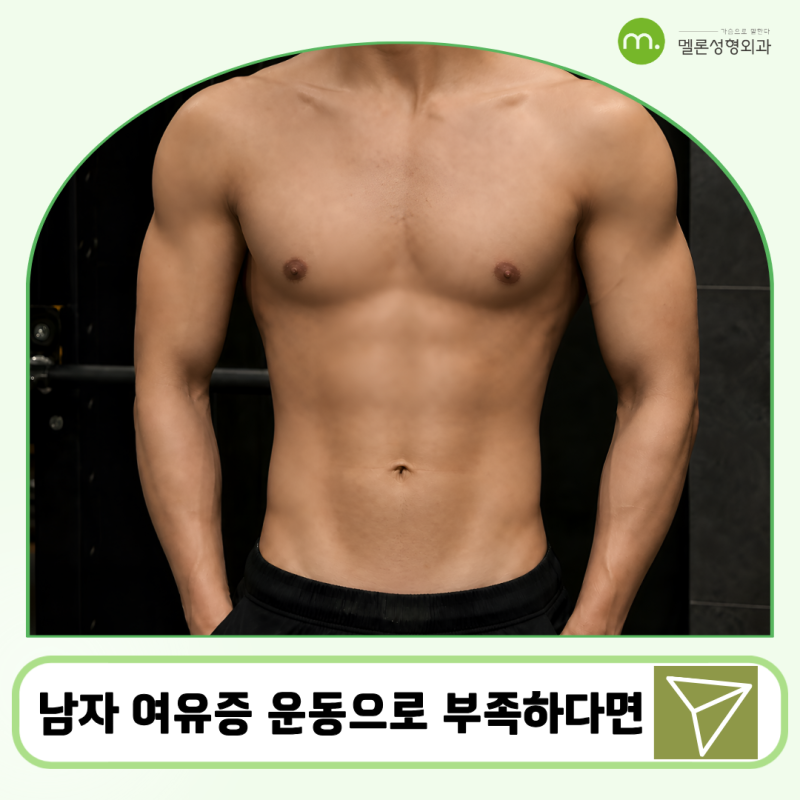
‘My chest sticks out like a woman's; could this be gynecomastia?’
Many men have a routine of checking their bodies in the mirror. Their gaze often fixes on the male chest, commonly referred to as ‘pecs,’ because it’s considered a benchmark for an attractive physique.
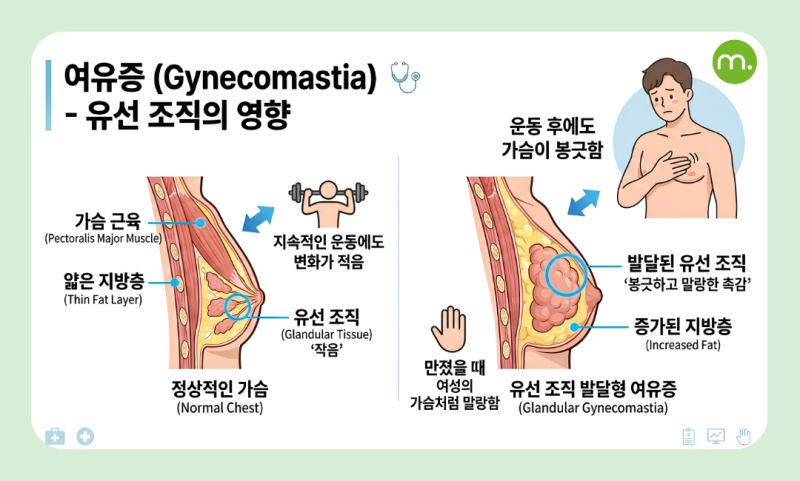
Gynecomastia refers to the phenomenon where the chest, which should be firm, protrudes with a soft, rounded feel, similar to a woman's breast. Although it’s a male chest, glandular tissue can be present, meaning exercise alone has limitations, and surgical solutions are often necessary. The reason male gynecomastia cannot be taken lightly is that it leads to a decline in self-confidence.
Beyond the inconvenience of having to wear loose clothing to conceal the chest in daily life or being unable to take off one's shirt during exercise, the questioning of one's masculinity becomes a compelling reason to consider surgery. If you have gynecomastia, you likely have many questions. Today, I’ll discuss the changes that occur in the male chest and methods to confirm if it’s gynecomastia.
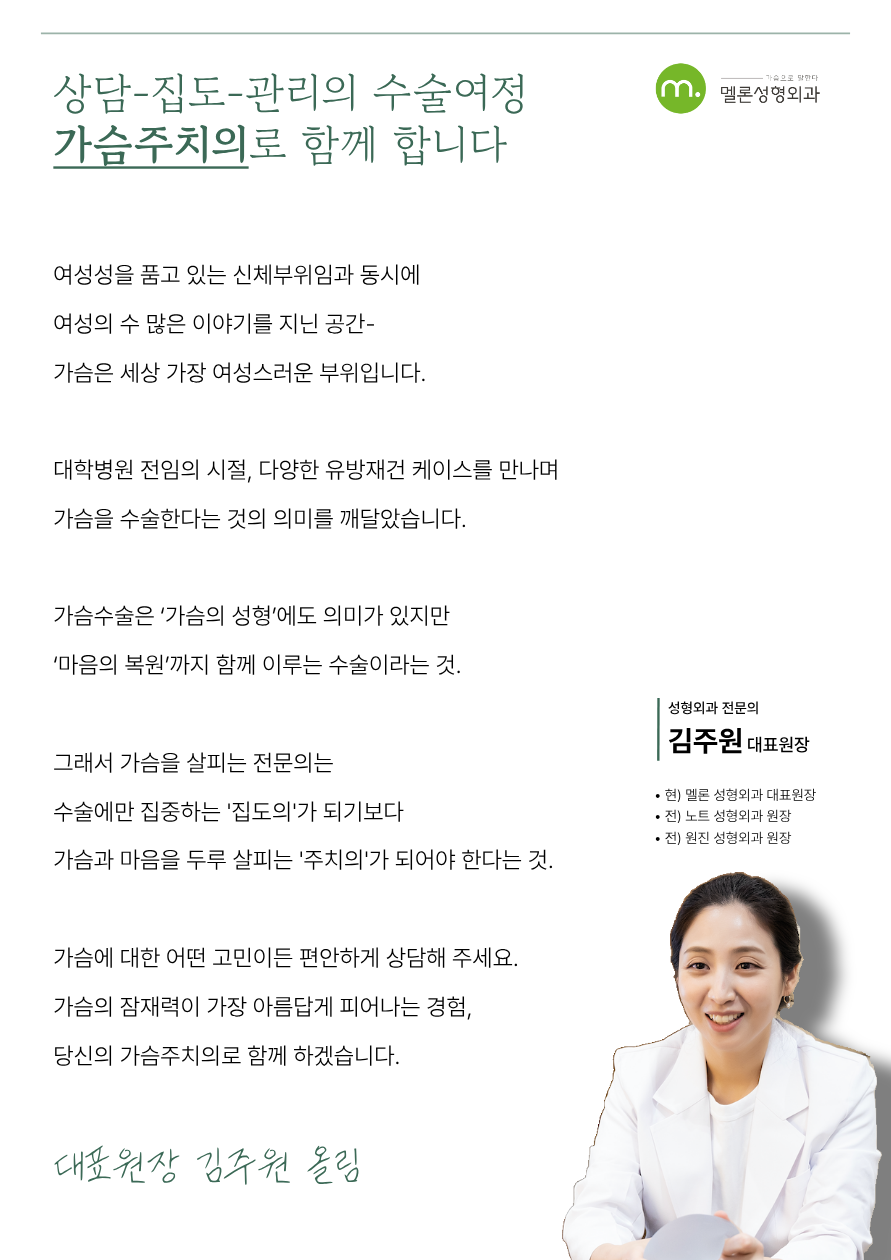
I am Dr. Juwon Kim, the head director of Melon Plastic Surgery, your breast specialist with solutions for the male chest.
Male Gynecomastia | Is it a problem that can be solved with diligent exercise?
‘My weight has decreased, but my chest remains the same.’
When male gynecomastia becomes noticeable, the first solution many choose is weight training. Routines typically include exercises like bench presses or push-ups, which strengthen the pectoralis major, the large muscle covering the chest. If the protrusion is due to fat accumulation in the chest, exercise can be helpful. It can help firm up the upper body line again. Improvement is sometimes possible without surgical intervention.
The problem arises when there's no improvement. If you've exercised diligently but your chest is still prominent and feels soft like a woman's breast when touched, it can be considered gynecomastia with developed glandular tissue. Glandular tissue is not an area that shrinks or disappears with exercise, so if you desire improvement, surgical assistance is necessary.
A large or sagging chest doesn't automatically mean male gynecomastia. It's essential to first differentiate whether the breast tissue is fatty, glandular, or a combination of both to determine if it's gynecomastia.
Male Gynecomastia | Did you know there are different types of gynecomastia?
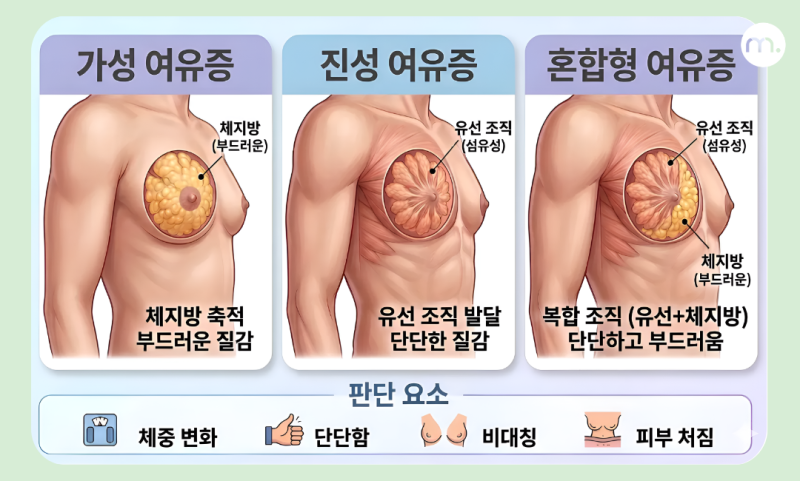
Not all protruding chests are the same type of gynecomastia. Gynecomastia can be divided into three types. First, pseudogynecomastia. As the name suggests, pseudogynecomastia implies ‘false breasts.’ It's called pseudogynecomastia (false breasts) because the chest protrudes due to fat accumulation. Since body fat is the cause, it can be improved with management such as diet and exercise.
Second, true gynecomastia. This would mean ‘real breasts.’ True gynecomastia refers to a chest with developed glandular tissue and not much fat. It can occur due to unstable hormone secretion during puberty and often disappears naturally. However, if the chest remains prominent into adulthood, surgical treatment should be considered. Rarely, male gynecomastia can also result from taking medications like hair loss drugs or prostate treatments. Finally, there is mixed-type gynecomastia. As the name implies, this is gynecomastia where both fat has accumulated (pseudo) and glandular tissue has developed (true). It is the most common type of gynecomastia, with over half of gynecomastia patients falling into this mixed category.
I'll tell you how to self-check. Male gynecomastia can be palpated by touching and grasping the chest. If it feels soft without any lumps, it might be pseudogynecomastia. If you feel a lump around the areola and experience pain when grasping it, it can be considered true gynecomastia with developed glandular tissue.
Mixed-type gynecomastia can be confusing. If the chest feels soft but you can feel a firm glandular mass when you grasp or push below the areola with your fingers, you might suspect mixed-type gynecomastia. While I've provided methods for self-checking, please remember that a clear diagnosis and solution should always be discussed with a medical professional.
Male Gynecomastia | How is gynecomastia surgery different?
Male gynecomastia is also a field of breast surgery. It's a procedure to restore a male's enlarged, woman-like chest to a firm state. The surgical plan varies depending on whether the chest condition is pseudo, true, or mixed-type. Gynecomastia surgery generally involves two basic procedures: liposuction to reduce fat and glandular tissue excision to remove glandular tissue.
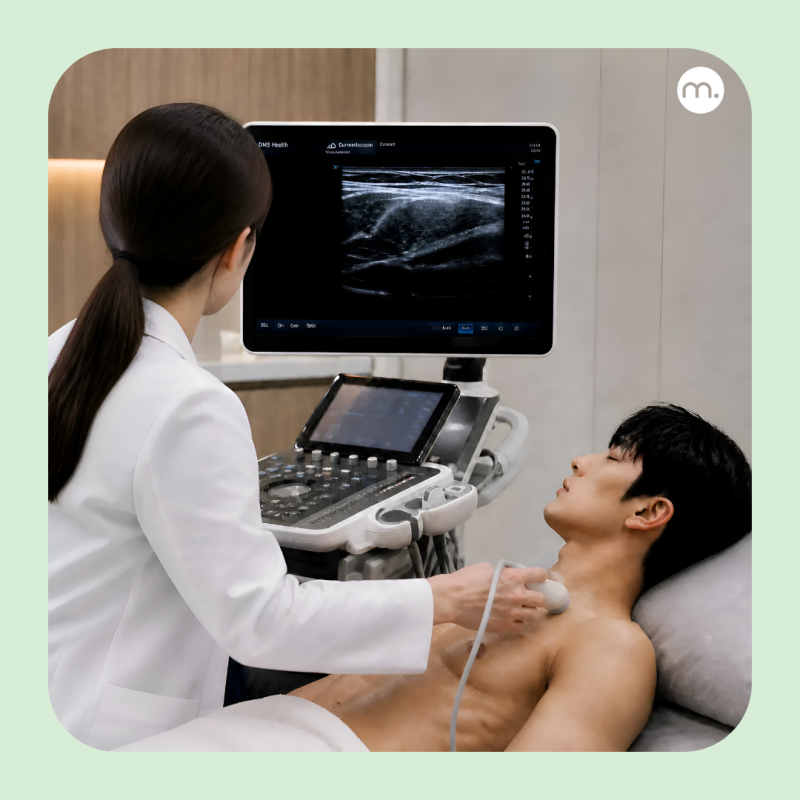
During the pre-operative consultation, the surgeon assesses physical conditions, performs ultrasound confirmation, and palpation to diagnose the type of gynecomastia and determine the ratio of fat to glandular tissue, then designs the surgery. The key to male gynecomastia surgery lies in how much glandular tissue is removed.
If all of the glandular tissue is removed, especially if it's large and firm, the underlying tissue supporting the nipple can disappear, potentially causing the nipple to become inverted. Since it requires a technique to remove glandular tissue while maintaining the shape and projection of the nipple, it's advisable to undergo surgery with highly skilled medical professionals.
Male Gynecomastia | Post-operative Recovery and Care
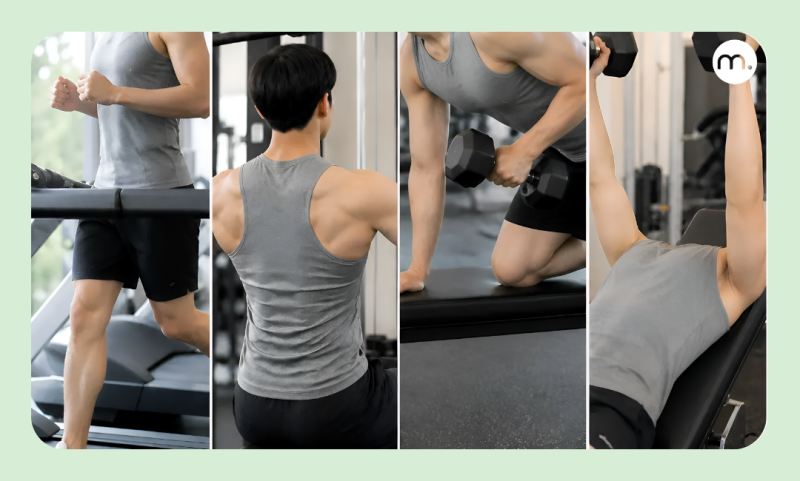
What is as important as the surgery itself? This is something I emphasize repeatedly when communicating with actual patients on blogs and YouTube: post-operative care. Post-operative care is extremely important in male gynecomastia. Even if the chest shape has been restored through gynecomastia surgery, if care is not properly managed, it can still feel prominent. Especially in cases of pseudogynecomastia, it's important to be mindful that the fat layer can thicken again if weight increases.
After surgery, focus on your body's recovery according to the medical institution's guidelines, and when it's time to start exercising, you can begin with light activities. It's best to avoid exercises that heavily use the chest muscles, such as golf, swimming, tennis, and weightlifting, for a while.
The time from discovery to resolution for gynecomastia tends to be long. Many men feel embarrassed to tell someone or discuss it, which inevitably prolongs the period of emotional distress. If you suspect you have gynecomastia, I hope you'll remember this:
Male gynecomastia is far more common than you might think. Many people seek medical institutions and undergo surgery for it. You're not alone in this concern, so don't be shy and consult with your breast specialist. We will accompany you on your gynecomastia journey, from concern to solution.
Thank you.
Frequently Asked Questions
What is male gynecomastia?
Male gynecomastia refers to the phenomenon where a man's chest protrudes softly, similar to a woman's breast. It can occur due to developed glandular tissue or accumulated fat.
Can exercise resolve gynecomastia?
No, in cases of true gynecomastia with developed glandular tissue, exercise alone is difficult to resolve. Pseudogynecomastia, caused by fat accumulation, can be improved with exercise.
What types of gynecomastia are there?
Gynecomastia can be broadly divided into three types: pseudogynecomastia, caused by fat; true gynecomastia, caused by glandular tissue development; and mixed-type gynecomastia, where both fat and glandular tissue are present.
Is there a self-diagnosis method for gynecomastia?
Yes, you can check by touching and palpating your chest. If it feels soft without any lumps, it might be pseudogynecomastia. If you feel a lump around the areola and experience pain, you might suspect true gynecomastia.
How is gynecomastia surgery performed?
Gynecomastia surgery generally involves liposuction to reduce fat and glandular tissue excision to remove glandular tissue. The surgical plan varies depending on the patient's chest condition.
How should I manage post-operative care?
Post-operative care is very important. Focus on recovery according to the medical institution's guidelines, and it's best to avoid exercises that heavily use the chest muscles for a while. Weight management is also crucial.